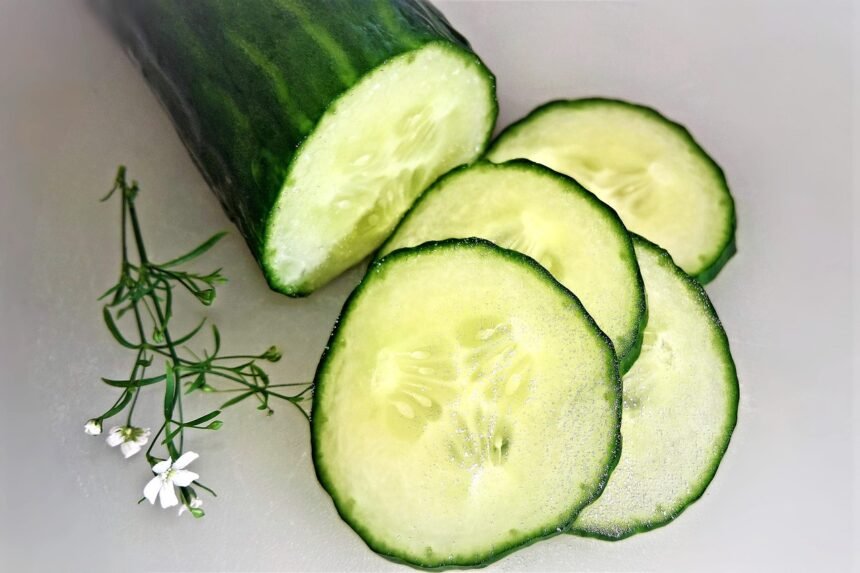
If you have ever wandered through a vibrant farmers’ market in late summer and spotted a long, curved, and pale-green vegetable that looks like a cross between a cucumber and a prehistoric serpent, you have likely encountered the Armenian cucumber. Despite its name and appearance, this fascinating plant is actually a botanical imposter.
In this guide, we will explore why this heirloom variety is a favourite among gardeners and chefs alike, its surprising nutritional profile, and why it might just be the most refreshing addition to your summer diet.
What Exactly Is an Armenian Cucumber?
Scientifically known as Cucumis melo var. flexuosus, the Armenian cucumber is technically a variety of muskmelon. It belongs to the muskmelon family, which makes it more closely related to honeydew and cantaloupe than to the standard garden cucumber (Cucumis sativus).
Often referred to as the snake melon or the yard-long cucumber, this fruit can grow up to 36 inches long. However, it is at its most delicious and tender when harvested at around 12 to 15 inches. Unlike traditional cucumbers, it has a thin skin that does not require peeling, and it lacks the bumpy, waxy exterior often found in supermarket varieties.
One of the most praised attributes of this plant is that it is entirely non-bitter. Standard cucumbers contain cucurbitacins, compounds that can cause a bitter flavour and digestive upset. The Armenian variety is naturally free of these, making it much easier on the stomach.
Nutritional Profile: Small Calories, Big Benefits
The Armenian cucumber is an exceptional low calorie snack, consisting of approximately 95% water. This makes it an ideal choice for maintaining hydration during the warmer months.
Beyond water content, it serves as an excellent Vitamin K source, which is vital for bone density and healthy blood clotting. It also provides a modest amount of Vitamin C, potassium, and dietary fibre.
Nutritional Comparison (Per 100g serving)
| Nutrient | Armenian Cucumber | Standard Slicing Cucumber |
|---|---|---|
| Calories | 15 kcal | 15 kcal |
| Water Content | 95% | 95% |
| Skin Texture | Thin, Ribbed (No Peeling) | Thick, Waxy (Often Peeled) |
| Digestibility | High (Burp-less) | Moderate (Can cause gas) |
| Vitamin K | Significant amount | Moderate amount |
Health Benefits of Adding Armenian Cucumber to Your Diet
Including this unique fruit in your meals offers more than just a refreshing crunch. Because of its unique genetic lineage, it offers several health advantages:
- Enhanced Hydration: Staying hydrated is crucial for skin health and cognitive function. Eating your water through produce is an effective way to supplement your intake.
- Supports Digestive Health: The high water and fibre content assist in keeping the digestive tract moving smoothly, preventing constipation and supporting overall digestive health.
- Bone Health: As a significant Vitamin K source, it helps the body utilise calcium effectively, keeping bones strong as we age.
- Heart Health: The potassium found in these “cucumbers” acts as an electrolyte that helps manage blood pressure levels. For more on cardiovascular wellness, consult the Cleveland Clinic heart health guidelines.
- Antioxidant Properties: Like many members of the Cucurbitaceae family, it contains antioxidants that help combat oxidative stress in the body.
Diverse Culinary Uses
The culinary flexibility of the Armenian cucumber is one of its greatest strengths. Because it is botanically a melon, it has a mild, slightly sweet flavour reminiscent of a very crisp cantaloupe rind or a cross between a cucumber and a pea pod.
Here are some popular culinary uses:
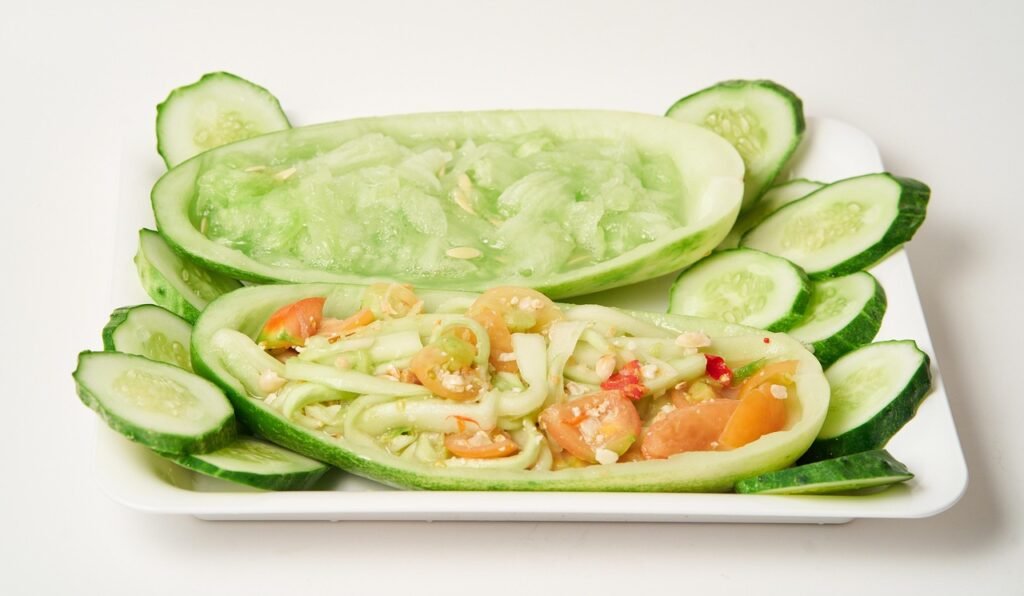
- Fresh Salads: Slice it thinly and toss with feta, mint, and lemon juice for a classic Mediterranean salad.
- Pickling: Its firm texture means it stays crunchy even when pickled. It is a fantastic alternative to traditional gherkins.
- Sautéing: Unlike standard cucumbers, these hold up well to heat. Use them as a summer squash alternative in stir-fries or light sautés.
- Gazpacho: Blend it with tomatoes and peppers for a silky, cooling summer soup.
- Dips: Grate it into Greek yogurt for a superior Tzatziki that won’t become watery. Check out BBC Good Food for more inspiration.
Growing Your Own: Tips for Success
If you are a gardener, you will find that growing conditions for this variety are quite different from standard cucumbers. They are incredibly heat-tolerant and actually thrive when temperatures soar, whereas other cucumbers might wither or become bitter.
For the best results, consider vertical gardening. Because the fruits can grow quite long, allowing them to hang from a trellis ensures they stay straight and prevents colour fading or rot that can occur when they sit on damp soil. You can find excellent growing tips at the Royal Horticultural Society.
According to research published in Nature, the genetic diversity of these ancient melons allows them to adapt to arid climates, making them a resilient choice for a changing environment.
Choosing and Storing Armenian Cucumbers
When shopping or harvesting, look for fruits that are firm to the touch and roughly 12 inches long. The skin should be a pale, dull green with distinct ribs. Avoid any that feel soft or look shrivelled.
To keep them fresh, store them in the vegetable crisper drawer of your refrigerator. They typically last about a week, though they are best enjoyed as soon as possible to retain their signature refreshing crunch. For detailed nutrient tracking, you can visit FoodData Central to see how they compare to other summer produce.
Frequently Asked Questions (FAQs)
Do you have to peel Armenian cucumbers?
No, one of the best things about the Armenian cucumber is its very thin skin. It is not waxy or tough like standard cucumbers, so you can eat it whole without peeling.
Why is it called a “burp-less” cucumber?
Standard cucumbers contain a compound called cucurbitacin, which can cause gas and indigestion for some people. Because the Armenian variety is technically a melon, it lacks this compound, making it much easier for digestive health.
Can I substitute Armenian cucumber for regular cucumber in recipes?
Absolutely. You can use it in any recipe that calls for cucumber. It is particularly good in dishes where you want a firm texture and a non-bitter flavour profile.
How do I know when they are ripe?
They are best harvested when they are about 12-15 inches long. If they get much larger, the seeds become tougher and the flesh can lose some of its sweetness. For more on vitamin-rich eating, visit EatRight.org.
Where can I buy Armenian cucumber seeds?
You can find them at most specialist seed retailers or through heritage plant societies. Websites like Gardeners’ World offer excellent advice on where to source and how to plant these unique vines.
Whether you are looking for a low calorie snack to help you through a heatwave or a unique heirloom variety to brighten up your garden, the Armenian cucumber is a versatile, healthy, and delicious choice. Its combination of hydration, nutrients like potassium, and culinary flexibility makes it a true summer superstar.