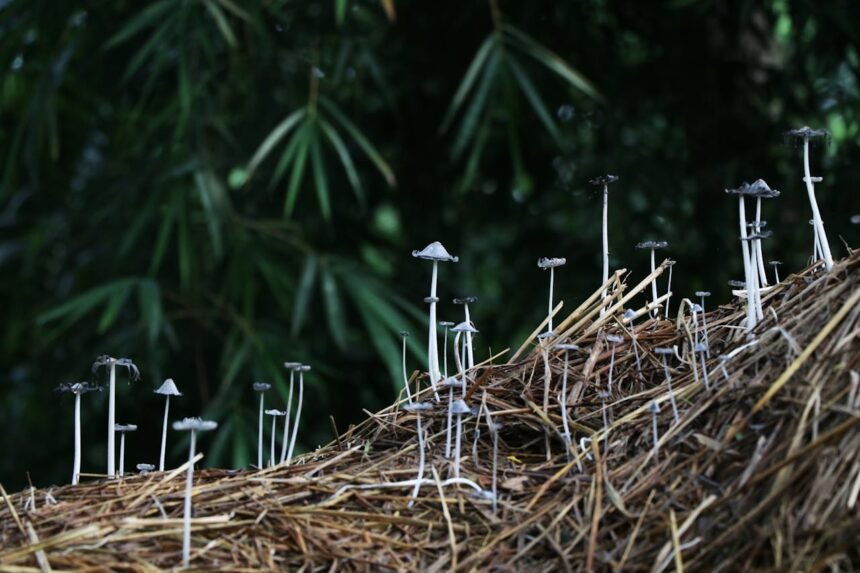
Death is a difficult subject to broach, yet it is one of the few universal experiences we all share. In recent years, our collective focus on environmental sustainability has reached the end-of-life industry. Enter the mushroom suit—a revolutionary concept designed to return the human body to the earth in the most ecological way possible. This “living” garment, also known as the Infinity Burial Suit, represents a significant shift in how we approach our final footprint on the planet.
Traditional funeral practices often involve conventional embalming fluids and non-biodegradable materials that can leach toxins into the ground. As we look for ways to lessen the environmental impact of death, the mushroom suit offers a poetic and scientific solution for those seeking a green burial.
What Exactly is a Mushroom Suit?
A mushroom suit is essentially a biodegradable shroud infused with fungal spores and other microorganisms. Developed by artist and researcher Jae Rhim Lee, the suit is crafted from organic cotton and lined with a “bio-mix” of mycelium. This mycelium is the vegetative part of a fungus, consisting of a network of white filaments.
The primary goal of the mushroom suit is to facilitate natural decomposition while simultaneously cleaning the body of toxins. According to Nature, mushrooms are nature’s master decomposers, and utilising them in burial can help restore nutrients to the soil health.
How the Mycelium Works
When a body is buried in a mushroom suit, the spores begin to grow. Through a process known as mycoremediation, the fungi break down organic matter and neutralise environmental contaminants—such as lead, mercury, and pesticides—that accumulate in our bodies throughout our lives. This ensures that the body becomes a source of life rather than a source of pollution.
Comparing Deathcare Options: Environmental Impact
Choosing how to handle remains involves weighing tradition against ecological cost. The following table compares the carbon footprint of burial and other common methods.
| Method | Environmental Impact | Resource Usage | Key Concern |
|---|---|---|---|
| Traditional Burial | High | Wood, Steel, Concrete | Chemical leaching (Formaldehyde) |
| Cremation | Medium-High | Natural Gas/Fossil Fuels | Mercury and CO2 emissions |
| Mushroom Suit | Very Low | Organic Cotton, Spores | Requires specific site permissions |
| Natural Organic Reduction | Low | Composting materials | Availability in some regions |
Why Choose Sustainable Deathcare?
The movement toward an eco-friendly funeral is growing rapidly. Many people are now looking for cremation alternatives that do not involve high-energy consumption or the release of greenhouse gases. The mushroom suit fits perfectly into the category of sustainable deathcare for several reasons:
- Toxic Neutralisation: It addresses the “body-toxin” issue that Scientific American notes is a rising concern in modern cemeteries.
- Nutrient Cycling: It speeds up the return of nutrients to the earth, supporting local flora.
- Simplicity: It eliminates the need for expensive caskets and energy-intensive processes.
- Land Conservation: It encourages the use of mycelium burial in conservation cemeteries rather than traditional graveyards.
The Celebrity Connection: Luke Perry’s Final Choice
The mushroom suit gained mainstream attention in 2019 following the death of actor Luke Perry. His daughter revealed that he was buried in an Infinity Burial Suit, sparking a global conversation about organic reduction and green alternatives. As reported by the BBC, this celebrity endorsement helped demystify the concept of a mycelium burial and highlighted it as a viable, compassionate choice.
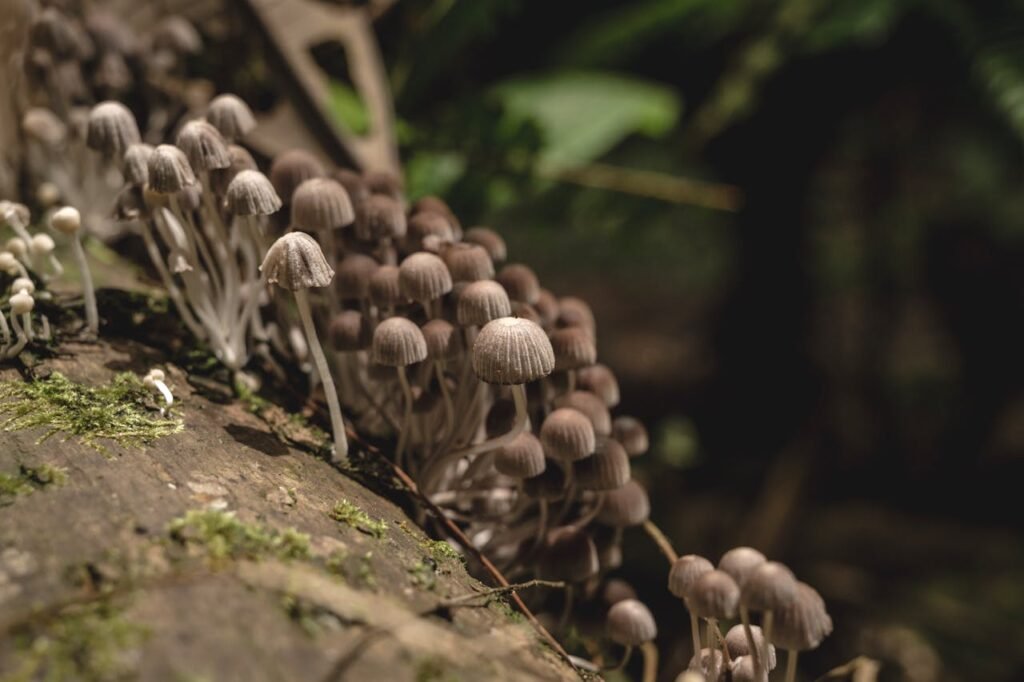
Health and Environmental Safety
While the idea of fungi consuming remains might sound unusual, it is a scientifically sound method of natural decomposition. Organisations like the EPA monitor how burial practices affect groundwater, and green burials are generally considered much safer for the water table than those involving embalming.
Furthermore, as discussed on NHS.uk, managing the emotional and physical aspects of death is a part of healthy life planning. Knowing that one’s final act is an environmental gift can provide immense psychological comfort to the terminally ill and their families.
Is it Legal in the UK?
In the United Kingdom, you are not legally required to use a coffin for burial. As long as the body is appropriately covered and the burial takes place in a registered cemetery or designated green burial site, a mushroom suit is a perfectly legal option. You can find more information on burial regulations at The Guardian.
The Future of Mycoremediation in Death
Research published in Science.org suggests that mycoremediation has applications far beyond the grave, including cleaning up oil spills and toxic waste sites. Applying this technology to deathcare is a natural extension of our desire to live—and die—in harmony with nature.
For those interested in the science of life and decay, National Geographic offers extensive resources on how human composting and biodegradable shroud options are reshaping our environmental impact of death.
- Research local green burial grounds that accept mushroom suit burials.
- Consult with a funeral director who specialises in sustainable deathcare.
- Discuss your wishes with family members to ensure they understand the choice of organic reduction.
- Consider the cost benefits, as green burials are often significantly cheaper than traditional ones.
Frequently Asked Questions (FAQs)
Does the mushroom suit smell during decomposition?
No. When buried at the appropriate depth (typically 3-4 feet) in a green burial site, the soil acts as a natural filter. The fungal spores actively work to break down organic matter efficiently, which actually minimises the odours associated with slower, anaerobic decay.
How much does a mushroom suit cost?
While prices can fluctuate, a mushroom suit typically costs around £1,200 to £1,500. While this may seem high for a garment, it replaces the need for a traditional casket, which can cost upwards of £3,000, and avoids the costs of conventional embalming.
Will the mushrooms grow above ground?
It is unlikely that you will see large mushrooms sprouting on the surface. The mycelium works primarily underground within the soil health matrix. The “mushrooms” are simply the fruiting bodies of the fungus, but the work of mycoremediation happens at the root level.
Final Thoughts
The mushroom suit is more than just a burial garment; it is a statement of intent. By choosing an eco-friendly funeral, individuals can ensure their transition back to the earth is as clean and life-affirming as possible. As we continue to innovate in the field of cremation alternatives, the humble fungus may just be our most important ally in protecting the planet for future generations.
For more information on end-of-life health and wellness, visit Mayo Clinic or check out global environmental initiatives at EarthDay.org. You can also explore more about the history of burial at the Smithsonian Magazine or read latest tech trends in burial at Wired. For further reading on the cultural shifts in death, visit The New York Times and HuffPost.