When you hear the words “rash” and “fever” in the same sentence, your mind might instantly jump to childhood illnesses. For decades, measles and rubella were common rites of passage, but today, they are far less prevalent thanks to global immunisation efforts. However, because both present with similar red spots and viral symptoms, it is easy to get them confused.
Understanding the nuances of Rubella vs Measles is more than just a medical trivia exercise; it is a vital part of public health. While they share some DNA in terms of how they spread, their impact on the body—and particularly their risks during pregnancy—differ significantly. This guide will help you recognise the signs, understand the risks, and ensure your family stays protected.
What Exactly is the Difference?
At first glance, both conditions look like a viral infection causing a red, blotchy rash. However, they are caused by entirely different viruses. Measles is caused by the rubeola virus, a highly contagious pathogen that can lead to severe complications of measles like pneumonia or encephalitis. Rubella, often called German measles, is caused by the rubella virus. While it is generally milder in children, its impact on maternal health can be devastating.
Both viruses are spread through respiratory droplets—think coughing or sneezing—and both can be prevented with the same MMR vaccine. However, the “look and feel” of the illnesses vary in several ways.
Comparison at a Glance
To help you distinguish between the two, here is a breakdown of the clinical differences between Rubella and Measles.
| Feature | Measles (Rubeola) | Rubella (German Measles) |
|---|---|---|
| Severity | High; often makes the person feel very unwell. | Mild; sometimes so mild it goes unnoticed. |
| Fever | High fever (can reach 40°C/104°F). | Low-grade fever (usually below 38.3°C/101°F). |
| Rash Appearance | Dull red, blotchy; spots often join together. | Pink or light red; spots do not usually merge. |
| Duration of Rash | Lasts about 7 days. | Lasts about 3 days. |
| Incubation Period | Usually 10–14 days. | Usually 14–21 days. |
| Unique Sign | Koplik spots (white spots in the mouth). | Swollen lymph nodes behind the ears/neck. |
Recognising the Symptoms
If you or your child are feeling under the weather, identifying the specific viral symptoms early can lead to better management and faster isolation to protect others.
The Signs of Measles
Measles is often described as a “hard” illness. According to the Mayo Clinic, it typically begins with a “prodromal” phase. This includes a hacking cough, runny nose, and inflamed eyes (conjunctivitis). A hallmark sign of measles is the appearance of Koplik spots—tiny white grains that look like salt on a red background inside the cheek.
The measles rash appearance usually starts at the hairline and spreads downward to the neck, trunk, and limbs. It can be quite itchy and may leave a brownish stain or fine scaling as it fades.
The Signs of Rubella
Rubella is often nicknamed “three-day measles” because it is much shorter-lived. The NHS notes that many people with rubella have no symptoms at all. When they do occur, they usually involve a mild fever and a pinkish rash that starts on the face and moves down. One of the most common signs of rubella is tender, swollen glands, particularly at the back of the neck or behind the ears.
Why We Worry: Complications and Risks
While the symptoms of Rubella might seem less scary than Measles, both infectious diseases carry significant risks if not managed correctly.
The Danger to Pregnancy
The primary reason for rubella vaccination programmes is not necessarily to protect the person with the rash, but to protect unborn babies. If a woman contracts rubella during the first trimester of pregnancy, there is an extremely high risk of congenital rubella syndrome (CRS). This can lead to deafness, heart defects, and developmental delays. Ensuring high levels of maternal health and vaccination is the only way to prevent these outcomes.
The Severity of Measles
Measles is far more likely to lead to acute complications. In some cases, it can cause severe diarrhoea, ear infections, and even permanent vision loss. The UNICEF reports that measles remains a leading cause of death among young children globally, primarily due to respiratory infections like pneumonia. Research published in Nature has even shown that measles can “reset” the immune system, making it harder for the body to fight off other illnesses for months or years.
Prevention: The Power of Vaccination
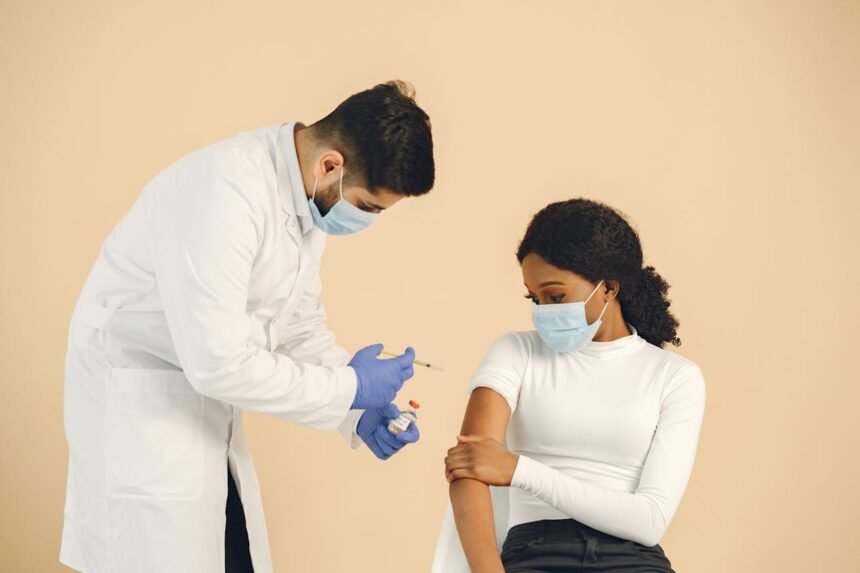
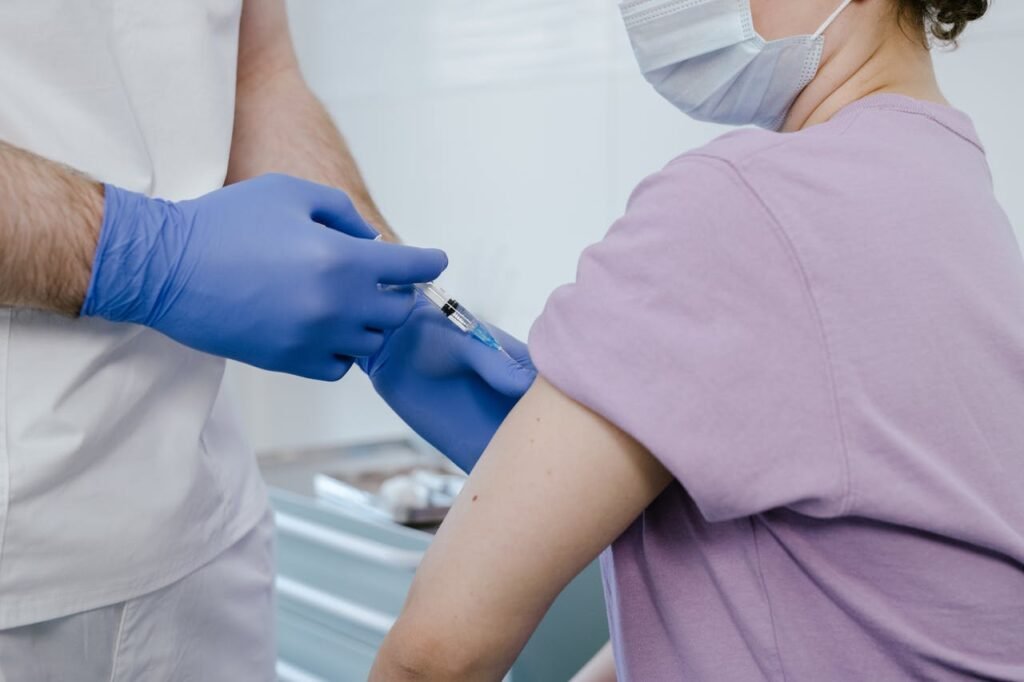
The most effective way to address the Rubella vs Measles debate is to prevent both through vaccination. The MMR vaccine is a combined shot that protects against measles, mumps, and rubella.
- Herd Immunity: When a high percentage of the population is vaccinated, the virus cannot spread. This is known as herd immunity, and it protects those who cannot be vaccinated, such as infants or the immunocompromised.
- Dosage: In the UK, the first dose is typically given at 1 year of age, with a booster dose before starting school at age 3 years and 4 months.
- Safety: Decades of research, including large-scale studies in The Lancet, have confirmed that the MMR vaccine is safe and does not cause autism.
If you are planning to travel or are unsure of your vaccination status, it is wise to consult the NICE guidelines or speak with your GP. Maintaining a high incubation period awareness for those recently exposed is also crucial for public health surveillance, as monitored by Public Health England.
Treatment and Care
Because these are viral infections, antibiotics will not work. Treatment focuses on managing symptoms and preventing the spread. Experts at Johns Hopkins and the Cleveland Clinic suggest:
- Rest: Allow the body to use its energy to fight the virus.
- Hydration: Drink plenty of fluids to avoid dehydration, especially if a high fever is present.
- Fever reducers: Utilise paracetamol or ibuprofen (as advised by a doctor) to manage temperature and discomfort.
- Isolation: Stay home from school or work for at least four days after the rash first appears to avoid infecting others.
Global organisations like Gavi work tirelessly to ensure that vaccines reach even the most remote areas, reducing the global burden of these diseases.
Frequently Asked Questions (FAQs)
Can you get measles or rubella if you have been vaccinated?
While no vaccine is 100% effective, two doses of the MMR vaccine are about 97% effective against measles and nearly 100% effective against rubella. If a vaccinated person does catch either illness, the symptoms are usually much milder and the risk of complications is significantly lower.
Are measles and rubella the same thing?
No. Although they share the name “measles” (rubella is often called German measles), they are caused by different viruses. Measles is typically much more severe and contagious than rubella.
How long should I stay away from others if I have rubella?
You are generally most infectious from one week before the rash starts until about four to five days after the rash appears. During this time, it is critical to stay away from schools, workplaces, and especially pregnant women to prevent the risk of congenital rubella syndrome.
Can adults get these childhood illnesses?
Yes. Although they are often categorised as childhood illnesses, any person who is not immune (either through vaccination or previous infection) can contract measles or rubella. In fact, symptoms can sometimes be more severe in adults than in children.