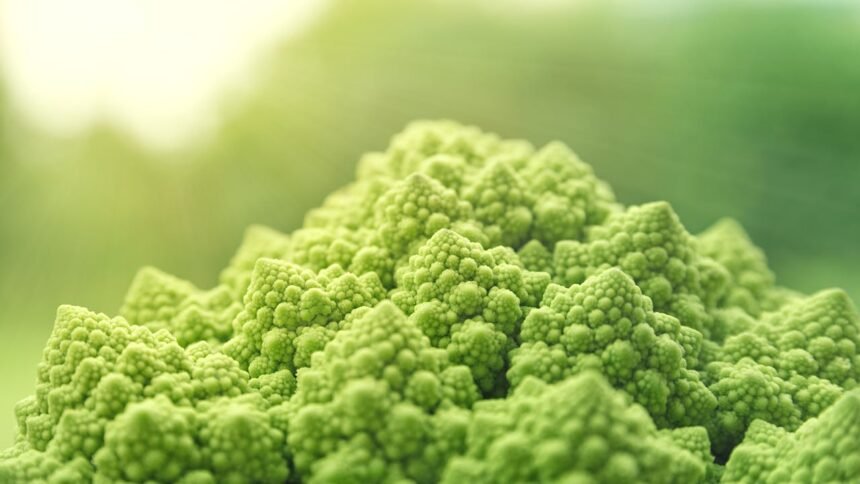
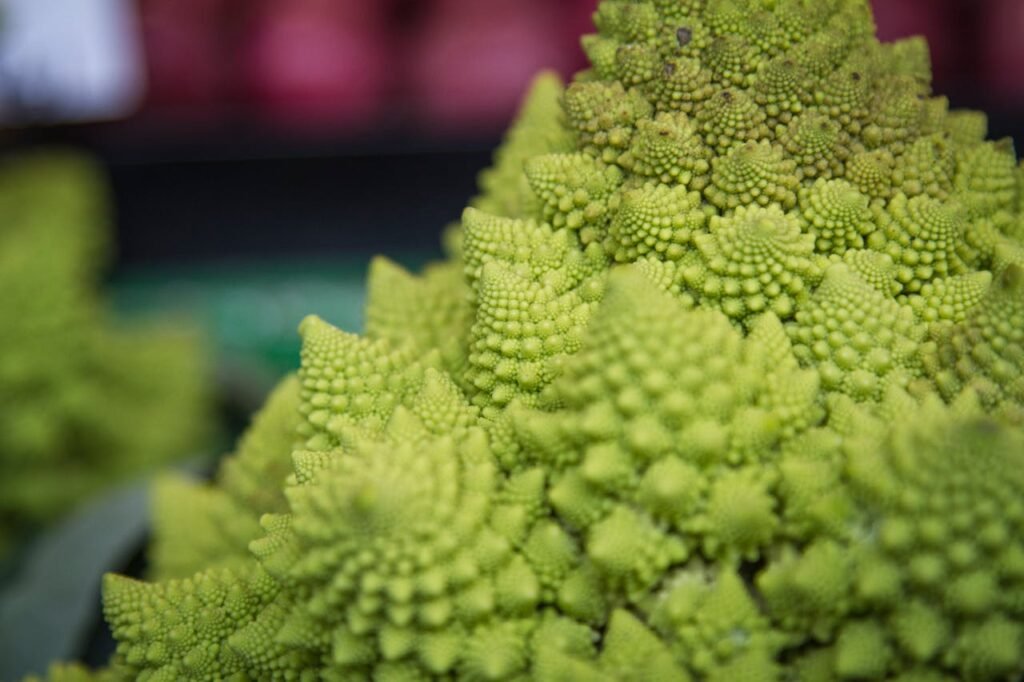
If you have ever wandered through a farmer’s market and spotted a vegetable that looks more like a mathematical masterpiece than a piece of produce, you have likely encountered Romanesco broccoli. With its striking lime-green peaks and intricate fractal pattern, it is often described as the most beautiful vegetable in the world. But beyond its alien-like appearance, this cruciferous vegetable offers a wealth of health benefits and a unique culinary experience.
In this guide, we will explore the nutritional profile of Romanesco, why it is a powerhouse for your well-being, and how you can prepare it to highlight its delicate, nutty flavour. Whether you are a seasoned chef or a home cook looking to diversify your winter vegetable intake, there is much to love about this Italian heirloom.
What Exactly is Romanesco Broccoli?
Despite its name, Romanesco is often considered a hybrid between broccoli and cauliflower, though botanically it is a variety of Brassica oleracea. It belongs to the brassica family, alongside kale, Brussels sprouts, and cabbage. First documented in Italy in the 16th century, its spiralling florets follow the Fibonacci sequence, making it a literal natural wonder.
In terms of texture, it is crunchier than cauliflower and milder than traditional green broccoli. It lacks the slightly bitter edge often associated with other greens, making it an excellent vegan-friendly gateway vegetable for picky eaters.
Nutrition at a Glance
When it comes to vitamin C content, Romanesco is an absolute heavyweight. Just one serving can provide a significant portion of your daily requirement, helping to optimise your body’s natural defences. It is also a fantastic source of dietary fibre, which is essential for maintaining digestive health and preventing constipation, as noted by the NHS.
| Nutrient (per 100g) | Romanesco Broccoli | Standard Broccoli |
|---|---|---|
| Calories | 25 kcal | 34 kcal |
| Vitamin C | 88 mg | 89 mg |
| Fibre | 2.5 g | 2.6 g |
| Vitamin K | High | High |
The Top Health Benefits of Romanesco Broccoli
Adding Romanesco to your diet is not just about aesthetics; it provides immune system support and contributes to long-term wellness. Here are the primary reasons to include it in your meal rotation:
1. Rich in Antioxidant Properties
Like many of its cousins, Romanesco is packed with antioxidant properties. These compounds help combat oxidative stress in the body, which is linked to chronic diseases. According to the Mayo Clinic, antioxidants are vital for protecting your cells against free radicals.
2. Supports Heart Health
The combination of high fibre and potassium makes Romanesco a heart-healthy choice. Fibre helps manage cholesterol levels, while potassium assists in maintaining healthy blood pressure levels. The American Heart Association emphasizes the importance of potassium-rich foods in a balanced diet.
3. Promotes Eye Health
Romanesco contains significant levels of beta-carotene and vitamin A. These nutrients are essential for maintaining good vision and preventing age-related macular degeneration. Research published by Healthline suggests that a diet rich in these vitamins can significantly protect eye integrity.
4. Cancer-Fighting Compounds
Cruciferous vegetables are unique because they contain glucosinolates. These sulphur-containing compounds break down during digestion into biologically active molecules that have been studied for their potential to inhibit cancer cell growth. The National Cancer Institute provides detailed insights into how these vegetables may reduce cancer risk.
How to Select and Store Your Romanesco
To get the most out of this low-calorie side dish, you need to ensure you are buying the freshest specimen possible. Follow these simple tips:
- Check the colour: Look for a vibrant, bright lime-green. Avoid any heads with brown spots or yellowing edges.
- Feel the weight: A fresh Romanesco should feel heavy for its size and be firm to the touch.
- Inspect the leaves: If the leaves are still attached, they should be crisp and not wilted.
For storage, keep it in the vegetable drawer of your fridge in a perforated bag. It will stay fresh for about a week, but the vitamin C content begins to degrade over time, so it is best eaten sooner rather than later.
Delicious Ways to Prepare Romanesco
One of the best ways to enjoy this vegetable is roasted Romanesco. Roasting caramelises the natural sugars, enhancing the nutty flavour and creating a satisfying crunch. However, there are several ways to incorporate it into your cooking:
- Steaming: This method preserves the most nutrients. Steam for 5-7 minutes until tender-crisp.
- Sautéing: Slice the florets thinly and toss them in a pan with olive oil, garlic, and chilli flakes for a quick side.
- Raw: Romanesco can be sliced thinly into salads or used as a crudité for dipping in hummus.
- Pasta: Toss roasted florets with orecchiette, lemon zest, and toasted pine nuts for a classic Italian meal.
According to BBC Good Food, pairing Romanesco with bold flavours like anchovies or capers can further elevate its mild profile.
A Sustainable Choice for Your Diet
Choosing Romanesco isn’t just good for you; it can be a more sustainable choice if sourced locally. Many UK farmers grow this winter vegetable, reducing the carbon footprint associated with long-distance transport. Supporting local agriculture is a key recommendation by the British Nutrition Foundation for those looking to eat more sustainably.
Furthermore, because Romanesco is so nutrient-dense, it helps you meet your dietary goals with minimal caloric intake, making it an excellent choice for weight management, a topic frequently discussed by WebMD.
Frequently Asked Questions (FAQs)
Does Romanesco broccoli taste like regular broccoli?
Not exactly. While it shares some characteristics with regular broccoli, Romanesco is much milder and has a distinctively nutty flavour. It lacks the bitterness sometimes found in green broccoli and has a firmer, crunchier texture similar to cauliflower.
Is Romanesco broccoli genetically modified?
No, Romanesco is not a GMO product. It is a natural variant of the brassica family that has been cultivated through traditional selective breeding for centuries in Italy. Its incredible fractal pattern is a natural occurrence of plant geometry.
Can you eat the leaves and stem of Romanesco?
Absolutely! Much like cauliflower and broccoli, the stems and leaves of Romanesco are entirely edible and packed with dietary fibre. Stems can be peeled and sliced into stir-fries, while the leaves can be sautéed like kale or spinach.
Is Romanesco broccoli good for diabetics?
Yes, Romanesco is an excellent choice for individuals managing diabetes. It is low in carbohydrates and high in fibre, which helps regulate blood sugar levels. Organisations like Diabetes UK recommend filling half your plate with non-starchy vegetables like Romanesco.
Conclusion
Whether you are drawn to its stunning appearance or its impressive nutritional profile, Romanesco broccoli is a versatile ingredient that deserves more attention. By incorporating this superfood into your meals, you are not only adding visual flair to your plate but also supporting your digestive health, heart, and immune system. Next time you see those neon-green spirals, don’t hesitate to pick one up and experiment with a roasted Romanesco dish.
For more information on the benefits of plant-based diets, visit Harvard T.H. Chan School of Public Health or explore the latest nutritional research on ScienceDirect. You can also find tips on healthy eating from Medical News Today, EatRight.org, Organic Facts, and scientific studies on plant morphology at Nature.com.