
If you take a stroll through your local farmer’s market, you might notice a striking splash of violet amongst the sea of orange. Purple carrots are not a new “designer” vegetable; in fact, they represent a return to the plant’s ancient roots. Long before the 17th-century Dutch cultivars popularised the orange variety we know today, these vibrant root vegetables were the standard in gardens across Central Asia.
Today, purple carrots are reclaiming their spot in the limelight, not just for their stunning aesthetic, but for a nutritional profile that packs a serious punch. From supporting heart health to enhancing your skin’s natural glow, these heirloom varieties offer far more than just a pop of colour to your salad bowl.
The History and Science Behind the Colour
Scientifically known as Daucus carota, carrots originally appeared in shades of purple and yellow. According to the Britannica, the orange carrot was selectively bred much later. The deep, regal hue of purple carrots comes from a high concentration of anthocyanins.
These are the same powerful phytonutrients found in blueberries and blackberries. Unlike orange carrots, which rely primarily on carotenoids for their pigment, the purple variety provides a unique combination of both anthocyanin and beta-carotene, making them a dual-threat in the world of nutrition.
Nutritional Breakdown: Purple vs. Orange
While all carrots are beneficial, purple carrots offer a slightly different chemical makeup that may provide enhanced antioxidant properties. Because they contain these extra pigments, they are particularly effective at combatting oxidative stress within the body.
The following table illustrates the key differences between these two colourful cousins:
| Feature | Purple Carrots | Orange Carrots |
|---|---|---|
| Primary Pigment | Anthocyanins & Beta-carotene | Beta-carotene & Alpha-carotene |
| Taste Profile | Often sweeter with a peppery finish | Earthy and consistently sweet |
| Antioxidant Capacity | Extremely high due to polyphenols | High in carotenoids |
| Glycaemic Index | Low to moderate | Low to moderate |
Top 5 Health Benefits of Purple Carrots
1. Potent Anti-inflammatory Benefits
Chronic inflammation is a silent driver of many modern diseases. Research published in Nature suggests that the anthocyanins in purple carrots may help suppress inflammatory pathways in the body. Embracing anti-inflammatory benefits through diet is a key strategy recommended by Harvard Health to reduce the risk of long-term illness.
2. Supports Cardiovascular Health
Maintaining a healthy heart requires more than just exercise. The dietary fibre and polyphenols found in these carrots contribute to improved cardiovascular health by helping to manage blood pressure and cholesterol levels. The British Heart Foundation emphasises that a colourful plate is often a sign of a heart-healthy meal.
3. Promotes Eye Health
You’ve likely heard that carrots help you see in the dark. This is largely due to beta-carotene, which the body converts into Vitamin A. Consuming purple carrots can help prevent Vitamin A deficiency, a leading cause of preventable blindness in children. Additionally, these carrots contain lutein, a nutrient WebMD identifies as crucial for protecting the eyes from harmful blue light and age-related macular degeneration.
4. Aids Weight Management
For those looking to maintain a healthy weight, purple carrots are an excellent choice. They are low in calories but high in dietary fibre, which promotes a feeling of fullness. According to Medical News Today, high-fibre diets are essential for digestive regularity and metabolic health.
5. Metabolic and Blood Sugar Support
The glycaemic index (GI) of carrots is generally low, meaning they don’t cause sharp spikes in blood glucose. For individuals managing diabetes, Diabetes UK notes that choosing low-GI vegetables is a smart way to maintain stable energy levels throughout the day.
Culinary Uses: How to Eat Purple Carrots
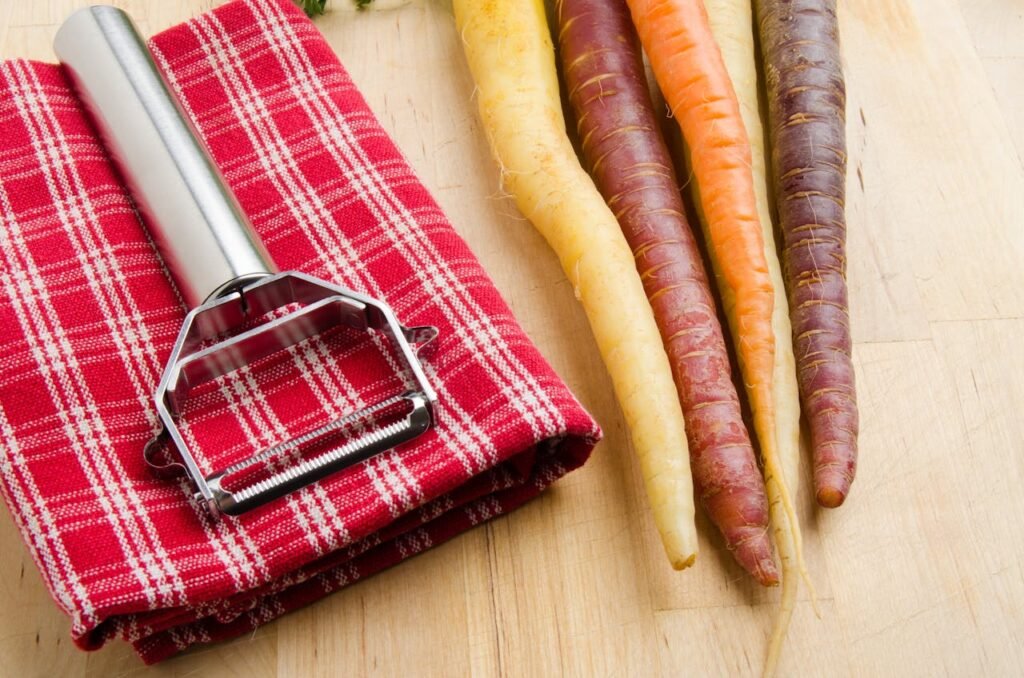
One of the best things about purple carrots is their versatility. Their culinary uses are nearly endless, ranging from raw snacks to gourmet roasted sides. However, be aware that the purple pigment is water-soluble, meaning it can “bleed” and turn your other ingredients a light shade of indigo!
- Raw: Slice them into rounds for a vibrant addition to a crudité platter.
- Roasted: Toss them in olive oil and thyme. The heat often intensifies their natural sweetness.
- Salads: Grate them into a slaw for a stunning visual contrast.
- Juiced: Blend them with ginger and apple for an antioxidant-rich morning boost.
For more inspiration on how to utilise these veggies, check out these carrot recipes from BBC Good Food.
Selecting and Storing Your Carrots
When shopping for purple carrots, look for firm roots with smooth skin. If the greens are still attached, they should look bright and fresh, not wilted. To maximise their lifespan, remove the green tops before storing them in the crisper drawer of your fridge.
The NHS recommends aiming for at least five portions of fruit and vegetables a day. Adding just one medium purple carrot to your daily intake significantly contributes to this goal while providing a unique array of phytonutrients not found in standard orange vegetables.
The Importance of Variety
The World Health Organization highlights that a diversified diet is fundamental to preventing malnutrition. By including heirloom varieties like purple carrots, you ensure your body receives a wider spectrum of antioxidant properties. You can learn more about the specific compounds in these vegetables via the Journal of Agricultural and Food Chemistry, which frequently publishes studies on plant bioactives.
Maximising Absorption
To get the most out of the beta-carotene in carrots, Mayo Clinic experts suggest eating them with a small amount of healthy fat, such as olive oil or avocado. Since Vitamin A is fat-soluble, this simple addition ensures your body can fully absorb the nutrients. You can also read more about Vitamin A on Healthline.
Digestive Health and Beyond
The dietary fibre in carrots doesn’t just help with weight; it feeds the beneficial bacteria in your gut. As Cleveland Clinic notes, soluble fibre is also instrumental in binding to cholesterol in the digestive tract and removing it from the body. To dive deeper into the science of plant compounds, ScienceDirect offers extensive peer-reviewed resources on the subject.
Frequently Asked Questions (FAQs)
Do purple carrots taste different from orange ones?
Yes, many people find purple carrots to have a slightly more complex flavour profile. While they are still sweet, they often possess a subtle peppery undertone and a deeper, earthier finish compared to the straightforward sweetness of orange varieties.
Will the purple colour disappear when I cook them?
The purple colour comes from anthocyanins, which are sensitive to heat and pH. If you boil them, the colour will bleed into the water. To retain the vibrant hue, try steaming, roasting, or sautéing them quickly instead.
Are purple carrots genetically modified (GMO)?
No. Purple carrots are actually closer to the original wild carrot than the orange ones. They are natural heirloom varieties that have been grown for thousands of years, primarily in regions like Afghanistan and Turkey.
Can I eat the skin of purple carrots?
Absolutely. In fact, much of the anthocyanin content is concentrated in or just below the skin. Simply give them a good scrub with a vegetable brush rather than peeling them to ensure you get the maximum antioxidant properties.