If you have been searching for a way to upgrade your lunch routine while keeping things nutritious and budget-friendly, lentil wraps might just be your new kitchen staple. These vibrant, flexible, and surprisingly sturdy wraps are taking the wellness world by storm, and for good reason. They offer a refreshing alternative to processed store-bought tortillas, focusing on whole-food ingredients that align with a healthy lifestyle.
Whether you are managing a gluten intolerance or simply trying to incorporate more plant-based protein into your diet, these wraps deliver on every front. Let’s dive into why you should swap your usual bread for this nutrient-dense powerhouse.
What Exactly Are Lentil Wraps?
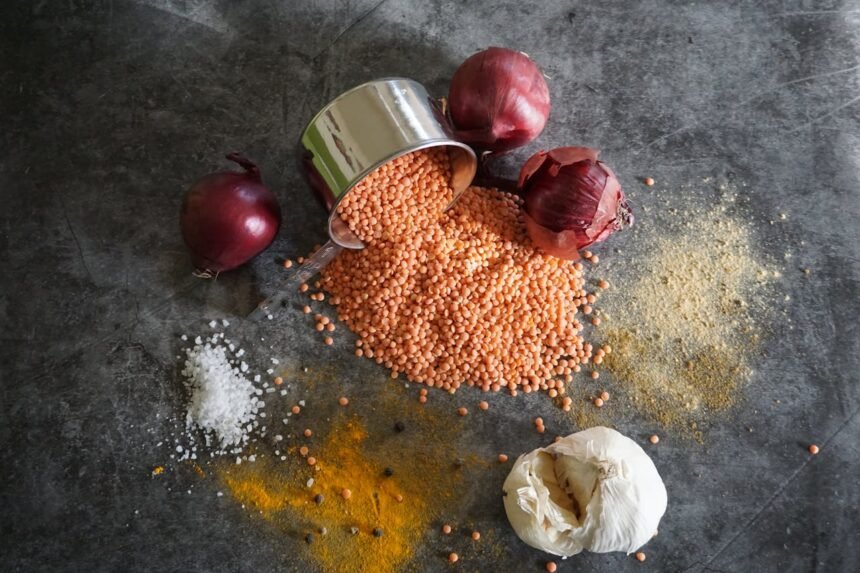
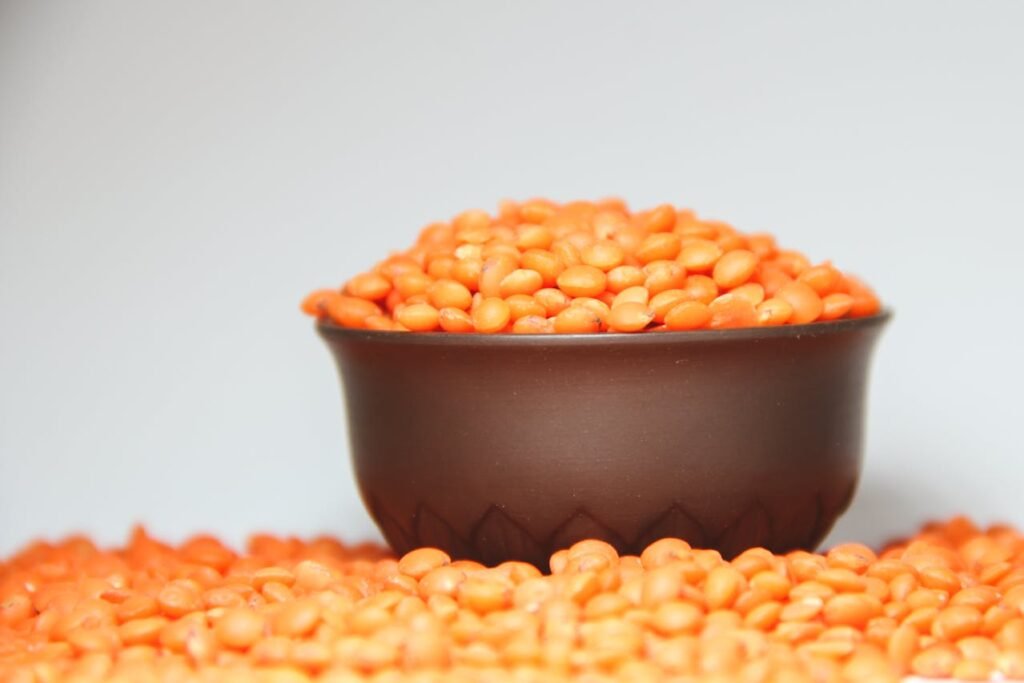
At their core, lentil wraps are a type of gluten-free flatbread made primarily from soaked red lentils and water. Unlike traditional wraps that rely on wheat flour, yeast, or various gums to achieve flexibility, these wraps utilise the natural starches and proteins found within legumes. When blended and cooked, the batter transforms into a soft, pliable lentil tortilla that can be filled with everything from spicy chickpeas to fresh Mediterranean salads.
The Nutritional Powerhouse Within
Choosing lentil wraps isn’t just about avoiding gluten; it’s about choosing a food that works harder for your body. Lentils are a cornerstone of plant-based protein, making them an excellent choice for vegetarians and vegans looking to hit their daily macros.
Furthermore, they are a vital part of a high-fibre diet. Fibre is essential for maintaining digestive health and keeping you feeling full for longer, which can be particularly helpful for those managing their weight. Because lentils are complex carbohydrates, they provide sustained energy throughout the afternoon, avoiding the “sugar crash” often associated with refined white flour.
Comparing Lentil Wraps to Traditional Tortillas
To see how these wraps stack up against standard supermarket options, have a look at the comparison table below:
| Nutritional Aspect | Standard Flour Tortilla | Homemade Lentil Wrap |
|---|---|---|
| Protein Content | Low (approx. 3-4g) | High (approx. 8-10g) |
| Fibre | Minimal (less than 1g) | Excellent (approx. 5-7g) |
| Gluten Status | Contains Gluten | Naturally Gluten-Free |
| Glycaemic Index | High | Low |
| Ingredients | Processed flours, preservatives | Whole lentils, water, salt |
Health Benefits You Can’t Ignore
Integrating lentil wraps into your weekly nutrient-dense meal plan offers several evidence-based advantages:
- Blood Sugar Regulation: Lentils are known for having a low-glycaemic index, meaning they cause a slower, more gradual rise in blood glucose levels.
- Heart Health: Being rich in folate and magnesium, these wraps are inherently heart-healthy.
- Iron Intake: Lentils are legendary iron-rich foods, which is crucial for oxygen transport and energy levels, particularly for those on a meat-free diet.
- Gut Health: The high fibre content supports digestive health by feeding the beneficial bacteria in your microbiome.
How to Make Lentil Wraps: A Simple Guide
Making these at home is surprisingly simple. You don’t need expert baking skills—just a high-speed blender and a good non-stick pan. This method is perfect for vegan meal prep, as the wraps store beautifully in the fridge or freezer.
The Basic Method
- Soaking lentils: Start by soaking lentils (preferably red) in water for at least 3 to 4 hours, or overnight for the smoothest texture.
- Blending: Drain and rinse the lentils. Place them in a blender with fresh water (typically a 1:1 or 1:2 ratio depending on your preferred thickness), a pinch of sea salt, and any desired spices like cumin or garlic powder.
- Cooking: Heat a non-stick pan over medium heat. Lightly grease it if necessary. Pour a small amount of batter into the centre of the pan and spread it thin with the back of a spoon.
- Flipping: Cook for 2-3 minutes until the edges lift easily and the top looks dry, then flip and cook for another minute.
Tips for the Perfect Texture
If you are new to making grain-free wraps, there are a few tricks to ensure they don’t crack or stick:
Don’t skip the soak: Properly soaking lentils softens the outer hull and makes the batter much smoother. This results in a wrap that behaves more like a traditional crepe. According to research on legumes, soaking also helps reduce anti-nutrients, making the minerals easier for your body to absorb.
Monitor your heat: If the pan is too hot, the batter will set before you can spread it thin. If it’s too cool, the wrap may stick. A steady medium heat is your best friend here.
Flavour variations: You can easily change the colour and flavour profile by adding spinach for green wraps or turmeric for a vibrant gold. Check out the Vegetarian Society for more seasoning inspiration.
A Sustainable Choice
Beyond personal health, choosing lentils is an environmentally conscious decision. Lentils have a significantly lower water footprint compared to animal-based proteins and even some other grains. By opting for lentil wraps, you are supporting a more sustainable food system. Scientific journals such as Nature frequently highlight the importance of shifting toward plant proteins to reduce environmental impact.
Furthermore, as complex carbohydrates, lentils are incredibly shelf-stable and affordable, making them an ideal choice for families looking to eat well on a budget. For more on the benefits of whole foods, see the American Heart Association guidelines on dietary fibre.
Frequently Asked Questions (FAQs)
Are lentil wraps suitable for people with Celiac disease?
Yes, lentil wraps are naturally gluten-free as they are made from legumes rather than wheat, barley, or rye. However, always ensure your dried lentils are processed in a gluten-free facility to avoid cross-contamination. You can find more resources on gluten-free living through official advocacy groups.
Can I freeze lentil wraps for later?
Absolutely. These wraps are excellent for vegan meal prep. Simply stack them with a piece of parchment paper between each wrap to prevent sticking, and store them in an airtight container in the freezer for up to three months. Reheat them in a dry pan for a few seconds to restore their flexibility.
Do they taste like lentils?
While they have a mild earthy flavour, lentil wraps are quite neutral. This makes them a fantastic canvas for various fillings. Most people find that once they are filled with veggies, sauces, or proteins, the “lentil” taste is very subtle. For a deeper dive into the nutritional science of lentils, refer to the Journal of Nutrition.
Are these considered “starchy” foods?
While lentils do contain starch, they are classified as high-fibre, high-protein legumes. They are a much healthier choice than refined starchy foods because they provide more nutrients per calorie and have a much lower impact on blood sugar levels.