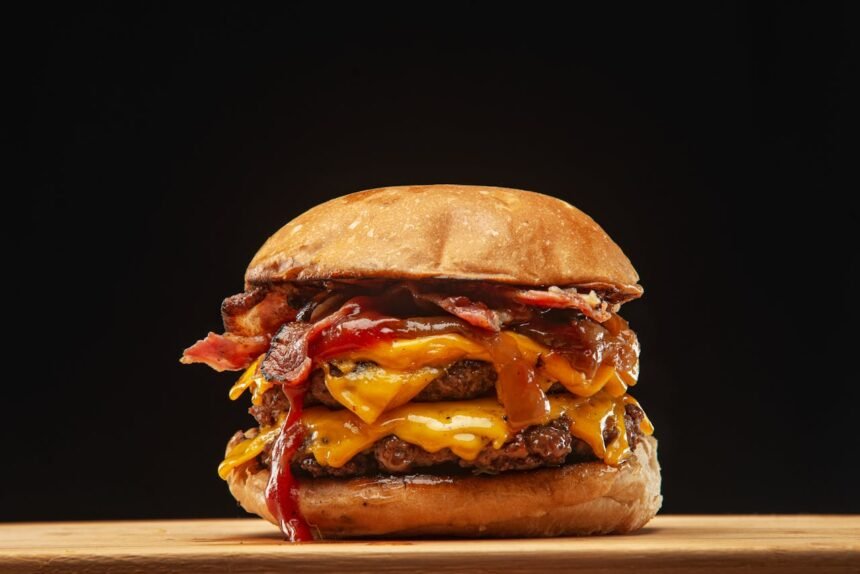
There is nothing quite like a juicy, perfectly cooked burger. Whether you are hosting a summer garden party or preparing a quick midweek meal, the quality of your patty makes all the difference. However, achieving that restaurant-standard finish at home often feels elusive. Enter the burger press: a simple yet transformative tool that elevates your cooking from amateur to artisanal.
Beyond just aesthetics, using a dedicated patty maker ensures your meat cooks evenly, stays intact, and retains its moisture. In this guide, we will explore why this essential piece of kit belongs in your kitchen and how it can help you maintain a balanced, healthy lifestyle while enjoying your favourite comfort foods.
The Science of the Sizzle: Why Shape Matters
When you form a patty by hand, it is difficult to achieve a uniform thickness. This leads to the “hockey puck” effect, where the edges overcook and dry out before the centre is safe to eat. A burger press solves this by applying consistent pressure, creating a flat surface that maximises contact with the heat source.
According to food science experts, even thickness is vital for the Maillard reaction—the chemical process that creates that delicious brown crust. Proper searing locks in flavour and provides the structural integrity needed to hold your favourite toppings without the burger crumbling apart.
The Rise of the Smash Burger
One of the biggest trends in modern gastronomy is the smash burger. Unlike traditional thick patties, these are pressed thin directly onto a hot surface using a heavy-duty burger press. This technique creates a jagged, crispy edge and intense flavour profiles that are impossible to replicate with hand-shaping alone. For the best results, enthusiasts often recommend using specialised weights to ensure maximum surface contact.
Portion Control and Nutritional Benefits
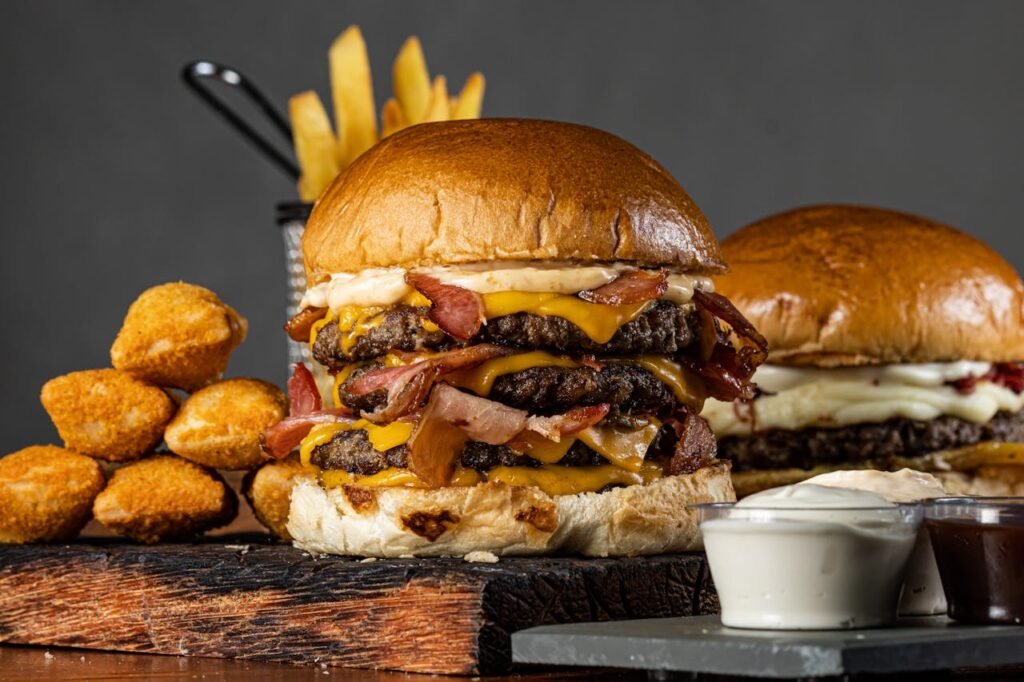
If you are mindful of your caloric intake, a burger press is an excellent tool for portion control. By using a press with adjustable depth or a fixed size, you can ensure every patty is exactly the same weight. This makes tracking your macronutrients much easier, which is a core tenet of maintaining a heart-healthy diet.
When making healthy homemade burgers, you have full control over the ingredients. You can choose lean ground beef, or even experiment with plant-based alternatives. By pressing your own, you avoid the hidden preservatives and high sodium levels often found in pre-packaged supermarket options.
Choosing the Right Material
When shopping for barbecue accessories, you will notice three primary materials. Each has its own benefits depending on your cooking style:
| Material | Best For | Pros | Cons |
|---|---|---|---|
| Cast Iron | Smash burgers & outdoor grills | Excellent heat retention, adds grill marks | Requires seasoning, heavy |
| Stainless Steel | Professional kitchens | Durable, rust-resistant, easy to clean | Can be expensive |
| Plastic/Aluminium | Occasional home use | Lightweight, often has a non-stick coating | Not suitable for heat exposure |
While cast iron is favoured for its longevity and ability to withstand high temperatures, many modern kitchen gadgets utilise aluminium for its lightweight properties. If you frequently cook indoors, a stainless steel press is often the most hygienic and dishwasher-safe choice.
Creative Culinary Possibilities
A burger press is not a one-trick pony. It opens the door to a variety of burger press recipes that go beyond the standard beef disc:
- Stuffed Burgers: Many presses come with an insert that allows you to create a pocket for cheese, jalapenos, or mushrooms inside the meat.
- Veggie Patties: Firmly pressing bean or quinoa-based mixtures prevents them from falling through the grill grates.
- Breakfast Patties: Utilise the press to create perfectly round sausage patties for homemade morning muffins.
- Seafood Cakes: Gently press salmon or crab cakes to give them a professional, uniform appearance.
For inspiration on high-quality ingredients to use with your press, you can browse curated recipe collections from leading UK food retailers.
Food Safety and Maintenance
Handling raw ground beef requires strict adherence to hygiene standards to prevent foodborne illnesses. The Food Standards Agency recommends washing all equipment thoroughly after contact with raw meat. When using a burger press, consider using wax discs or parchment paper between the meat and the press. This prevents sticking and reduces the risk of cross-contamination.
Additionally, ensuring your burger reaches the correct internal temperature is crucial. According to FoodSafety.gov, ground meats should be cooked to an internal temperature of 71°C (160°F) to ensure harmful bacteria are eliminated.
How to Use Your Press Effectively
- Chill the meat: Cold fat is less likely to stick to the press and helps maintain the burger’s shape.
- Prepare the surface: Lightly oil the press or use wax paper.
- Don’t overwork the meat: Handle the ground beef gently to keep the texture light; over-mixing leads to a tough burger.
- Apply even pressure: Press down firmly but avoid “squeezing” the juices out if you are pressing during the cooking process.
- Indent the centre: If not using a professional press, a small thumbprint in the middle prevents the burger from puffing up into a ball.
The Environmental and Health Impact
Reducing our reliance on ultra-processed foods is a key recommendation from the British Heart Foundation. By investing in a burger press, you are more likely to prepare meals from scratch. This allows you to select grass-fed meats, which are often higher in Omega-3 fatty acids, or even cut down on red meat altogether—a move supported by Healthline’s nutritional research.
Furthermore, using durable materials like stainless steel or cast iron (which has fascinating thermal properties) reduces the need for single-use plastic packaging associated with pre-made patties. Don’t forget to pair your creation with a wholemeal bun for extra fibre, as suggested by the British Nutrition Foundation.
Final Thoughts
A burger press is more than just a luxury; it is a functional tool for anyone serious about the quality of their food. From ensuring uniform thickness to helping with portion control, it bridges the gap between home cooking and professional catering. By choosing your own fresh ingredients and pressing them with care, you can enjoy a superior dining experience that supports your health and satisfies your cravings.
Frequently Asked Questions (FAQs)
Do I really need a burger press?
While you can shape patties by hand, a press ensures uniform thickness, which leads to even cooking. It is especially useful if you are cooking for a large group or want to master the smash burger technique.
How do I stop the meat from sticking to the press?
Using a non-stick coating press helps, but the most effective method is using burger wax discs or a small piece of greaseproof paper. Keeping the meat cold also prevents the fat from sticking to the stainless steel or plastic surfaces.
Can I use a burger press for vegetarian burgers?
Absolutely. In fact, a burger press is often more useful for veggie burgers, as it provides the high pressure needed to bind ingredients like beans, lentils, and vegetables together so they don’t fall apart on the grill.
Is a cast iron press better than a plastic one?
Cast iron is superior for heat retention and durability, making it ideal for use directly on a griddle. Plastic presses are cheaper and lighter, which is fine for simple shaping, but they cannot be used on hot surfaces.
How do I clean my burger press?
Most stainless steel and plastic presses are dishwasher safe. However, cast iron presses should be hand-washed with minimal soap and dried immediately to prevent rust, then lightly oiled to maintain their seasoning.