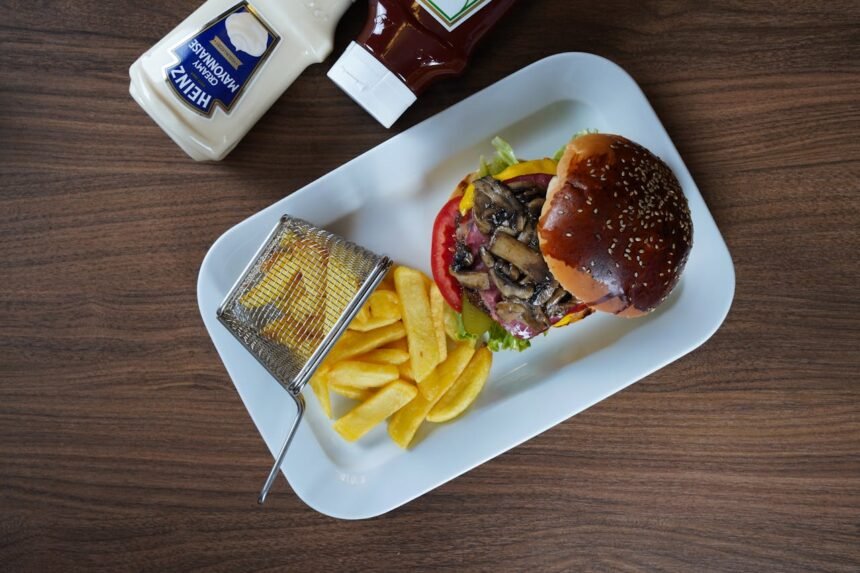
Whether you are a lifelong vegetarian or a dedicated meat-eater looking to reduce your environmental footprint, the mushroom burger has emerged as a powerhouse of the culinary world. No longer just a soggy afterthought at a summer barbecue, a well-crafted mushroom burger offers a complex, savoury experience that rivals any traditional beef patty.
In this guide, we will explore why mushrooms are the ultimate meat substitute, the nutritional advantages they offer, and how you can optimise your cooking techniques to achieve that perfect umami flavour at home.
Why the Mushroom Burger is Taking Over
The rise of plant-forward eating has put fungi in the spotlight. Unlike highly processed lab-grown meats, a mushroom burger relies on whole-food ingredients to provide satisfaction. The unique texture of mushrooms—particularly the meaty Portobello—allows them to hold up beautifully under high heat, whether you are frying, roasting, or using them for your vegan BBQ ideas.
Beyond the bite, mushrooms are famous for their umami-rich ingredients. Umami, often described as the “fifth taste,” provides a deep, savoury sensation that signals protein to our brains, making a vegetarian patty feel just as indulgent as its meaty counterpart.
Nutritional Breakdown: Mushroom vs. Beef
Choosing a mushroom-based option isn’t just about flavour; it is a significant win for your health. According to the NHS, a balanced diet should include plenty of vegetables and lower saturated fat intake. A low-calorie burger made from mushrooms fits this profile perfectly.
| Nutrient (per 100g) | Portobello Mushroom | Lean Beef (10% fat) |
|---|---|---|
| Calories | 22 kcal | 250 kcal |
| Saturated Fat | 0g | 6g |
| Dietary Fibre | 1.3g | 0g |
| Cholesterol | 0mg | 90mg |
As shown above, the mushroom is a clear winner for those monitoring their heart health or weight. Research published in Nature suggests that substituting red meat with fungi can help manage inflammation and improve metabolic markers.
Top Health Benefits of Fungi
Adding more mushrooms to your diet provides more than just a plant-based protein alternative. Here are some key health benefits of fungi:
- Vitamin D Sources: Mushrooms are one of the few non-animal Vitamin D sources. When exposed to UV light, they synthesise this essential nutrient, which is vital for bone health and immune function, as noted by Mayo Clinic.
- Immune Support: Fungi contain beta-glucans, which ScienceDirect identifies as powerful compounds for modulating the immune system.
- High Fibre Content: Rich in dietary fibre, mushrooms aid digestion and help maintain a healthy gut microbiome, a topic frequently discussed by the British Dietetic Association.
- Antioxidants: They contain selenium and ergothioneine, which help protect cells from damage, according to Harvard Health.
Crafting the Perfect Mushroom Burger
There are two primary ways to construct your burger: the whole-cap method and the minced-patty method. Both offer unique benefits depending on your taste preferences.
1. The Whole Portobello Cap
The simplest mushroom burger involves using a large Portobello cap. To prevent it from becoming watery, it is essential to use a balsamic marinade. The acidity of the vinegar breaks down the tough fibres while adding a sharp contrast to the earthy grilled mushroom flavour.
2. The Minced Mushroom Patty
For a texture closer to traditional meat, many chefs use finely chopped Shiitake mushrooms or button mushrooms mixed with binders like oats, walnuts, or black beans. This method allows you to incorporate other umami-rich ingredients like soy sauce or nutritional yeast. This is an excellent keto burger options if you swap the bun for a lettuce wrap.
Expert Tips for Cooking
- Don’t crowd the pan: Mushrooms release a lot of moisture. To get a good sear, give them space.
- Salt at the end: Salting too early draws out water, causing the mushrooms to steam rather than brown.
- Use high heat: To achieve a “meaty” char, ensure your pan or grill is smoking hot.
- Season aggressively: Since mushrooms have a neutral base, they can handle bold spices like smoked paprika, garlic powder, and cumin.
The World Health Organization emphasises the importance of reducing salt and sugar, so using herbs and spices to flavour your mushroom burger is a great way to stay healthy without sacrificing taste.

Sustainability and the Planet
Choosing a mushroom burger isn’t just a personal health choice; it is an environmental one. According to the American Heart Association, reducing meat consumption can significantly lower carbon emissions. Mushrooms require minimal water and land compared to cattle, making them a sustainable choice for the future of our food system, a sentiment echoed by The British Nutrition Foundation.
Furthermore, organisations like Diabetes UK suggest that plant-based alternatives can help in managing type 2 diabetes by reducing the intake of processed meats, which are often linked to insulin resistance.
Frequently Asked Questions (FAQs)
Is a mushroom burger healthier than a beef burger?
Generally, yes. A mushroom burger is significantly lower in calories and saturated fats while being higher in dietary fibre. It also lacks the cholesterol found in animal products. However, the healthiness also depends on the toppings and the type of bun you choose. For the best results, follow guidelines from Cancer Research UK regarding a high-fibre, plant-rich diet.
How do I stop my mushroom burger from being slimy?
The key to avoiding a slimy grilled mushroom is moisture control. Wipe your mushrooms with a damp cloth instead of soaking them in water. When cooking, use high heat to evaporate the natural juices quickly. Research into food science at the FDA (though focused on safety) often highlights that proper temperature control is vital for texture.
Can I make a mushroom burger keto-friendly?
Absolutely. Mushrooms are naturally low in carbohydrates, making them ideal for keto burger options. Use a large roasted Portobello cap as the “patty” and serve it in a lettuce wrap or with a side of avocado. Avoid high-sugar ketchups and opt for mustard or sugar-free mayonnaise. Academic studies on ketogenic diets, such as those found via Oxford Academic, show that high-fibre, low-carb vegetables are essential for maintaining nutritional ketosis.
For more information on the science of nutrition and fungi, you can browse clinical trials and reviews on Cambridge Core, which detail the long-term benefits of plant-based dietary patterns.