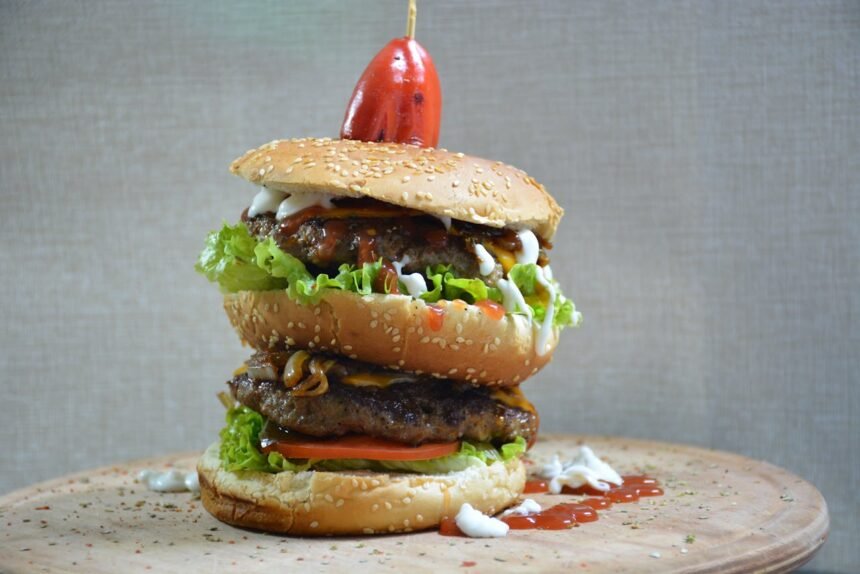
There is nothing quite like the sizzle of a homemade burger hitting a hot grill. While the convenience of fast food is tempting, taking control of your kitchen allows you to transform this classic indulgence into a nutritious, high-quality meal. By choosing your own ingredients, you can reduce saturated fat, control salt intake, and tailor every bite to your specific dietary requirements.
Whether you are a seasoned chef or a beginner, mastering the homemade burger is a culinary milestone. In this guide, we will explore how to balance umami flavour with health-conscious choices, ensuring your next cookout is both delicious and nutritionally balanced.
The Foundation: Choosing Your Protein
The soul of any homemade burger lies in the patty. While traditional recipes often call for high-fat blends, opting for lean beef mince (typically 5% to 10% fat) provides a high-protein base without excessive calories. According to Healthline research, lean meats help support muscle maintenance while keeping heart health in mind.
If you are looking to reduce your meat consumption, a plant-based alternative can be just as satisfying. Ingredients like black beans, quinoa, or mushrooms offer a different texture and a wealth of micronutrients. For those exploring meat-free options, Mayo Clinic provides excellent insights into the benefits of meat substitutes.
Essential Seasoning and Prep
To keep your patty succulent, avoid over-working the meat. Over-handling can lead to a dense, tough texture. Simple seasoning is often the most effective; a light dusting of sea salt and cracked black pepper is all you need to enhance the natural juices. To boost the umami flavour, some chefs add a dash of Worcestershire sauce or finely chopped garlic.
- Keep it cold: Keep your meat in the fridge until the very moment you are ready to form the patties.
- The thumbprint trick: Press a small indentation into the centre of the patty to prevent it from bulging during grilling.
- Portion control: Aim for patties around 115g to 150g to maintain a healthy serving size.
The Science of Cooking: Safety First
When cooking meat at home, food hygiene is paramount. Unlike a steak, which can be eaten rare, minced meat must be handled with care because the grinding process can spread bacteria throughout the meat. To ensure your homemade burger is safe, you must reach the correct internal temperature.
The Food Standards Agency recommends cooking burgers until they are steaming hot all the way through and no pink meat remains. Utilising a digital meat thermometer is the only foolproof way to check this.
| Protein Type | Recommended Temp (°C) | Safety Note |
|---|---|---|
| Ground Beef | 71°C | Essential for food safety |
| Ground Turkey/Chicken | 74°C | Must be cooked thoroughly |
| Vegetarian Patties | 74°C | Follow manufacturer or recipe guide |
Better Buns and Toppings
While a buttery brioche bun is a popular gourmet choice, it often contains higher levels of sugar and fat. For a more heart-healthy approach, consider a wholemeal bun. High-fibre grains, as highlighted by British Nutrition Foundation, aid digestion and provide longer-lasting energy.
The toppings are where you can truly elevate the nutritional profile of your homemade burger. Instead of processed cheese slices, try these nutrient-dense alternatives:
- Caramelised onions: Slow-cook onions in a little olive oil for natural sweetness.
- Avocado: Replace mayo with smashed avocado for healthy monounsaturated fats.
- Fresh greens: Use rocket or spinach instead of watery iceberg lettuce for more vitamins.
- Pickled vegetables: Add a crunch and probiotic benefits with pickled red onions or gherkins.
For those managing conditions like diabetes, Diabetes UK suggests using large lettuce leaves as a “bun” to significantly reduce carbohydrate intake.
Mastering the Method: Grilling vs Pan-Searing
How you apply heat changes the character of your burger. Grilling on a barbecue allows excess fat to drip away, which is often cited as a healthier method by the CDC. However, pan-searing in a cast-iron skillet creates a superior crust (the Maillard reaction), locking in moisture.
Regardless of your chosen method, avoid the temptation to press down on the patty with a spatula. This forces out the natural juices and results in a dry burger. Patience is key; only flip your burger once to ensure an even cook and a perfect sear.
The Importance of Resting
Just like a prime cut of steak, your homemade burger benefits from a few minutes of rest after it leaves the heat. This allows the fibres to relax and the juices to redistribute. According to meat science experts, resting for 3 to 5 minutes ensures that the first bite is juicy rather than messy.
Healthier Side Dish Alternatives
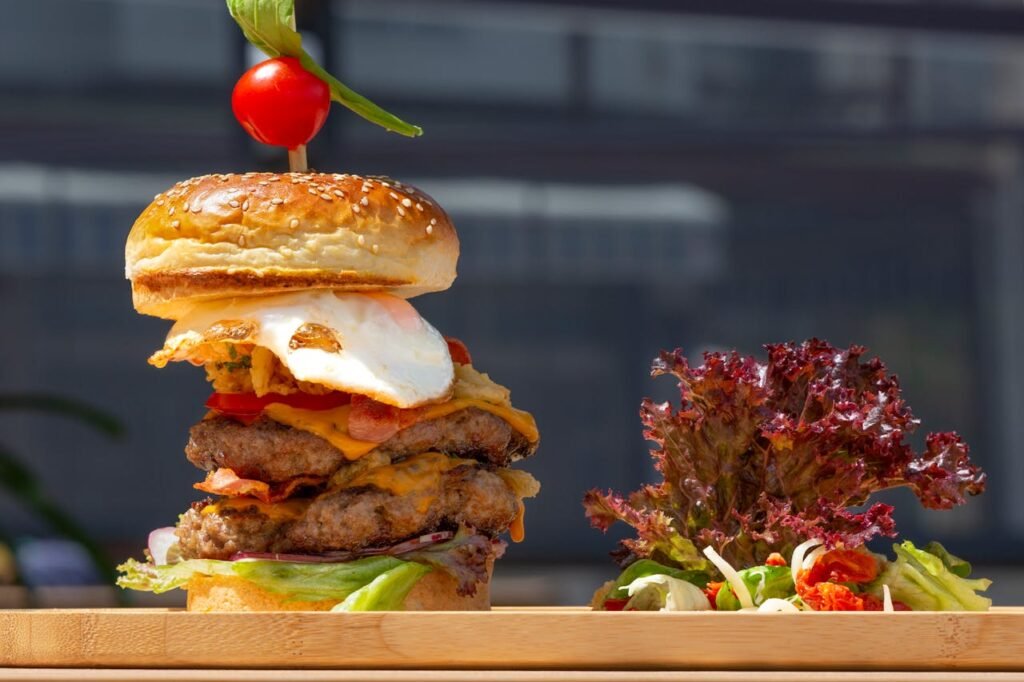
A burger is often judged by the company it keeps. Instead of deep-fried chips, try oven-baked sweet potato wedges. Sweet potatoes are rich in Vitamin A and fibre. You can also serve a vibrant side salad with a lemon vinaigrette to cut through the richness of the meat, aligning with the UK Eatwell Guide for a balanced plate.
Research from Harvard Health suggests that balancing red meat with plenty of vegetables can mitigate some of the health risks associated with high meat consumption. Portion control is the ultimate tool here; focusing on quality over quantity will leave you feeling satisfied without the “food coma” often associated with takeaway meals.
For more general health advice on maintaining a balanced lifestyle, you can visit The World Health Organization or check the latest updates from Public Health England regarding dietary guidelines.
Frequently Asked Questions (FAQs)
Is a homemade burger actually healthier than a fast-food one?
Yes. By preparing it yourself, you control the quality of the meat, the amount of salt, and the type of oil used. You can avoid the hidden sugars and preservatives frequently found in ultra-processed fast-food versions, as noted by the British Heart Foundation.
Can I make a burger without using eggs or breadcrumbs?
Absolutely. High-quality lean beef mince has enough natural protein to bind together without fillers. If the meat is cold when you form the patty and you don’t over-handle it, it will hold its shape perfectly on the grill.
How do I know when my burger is done without cutting it open?
The most accurate method is using a meat thermometer. For beef, aim for an internal temperature of 71°C. Cutting the burger open too early lets the juices escape, leading to a drier meal.
What is the best way to store leftover patties?
Uncooked patties should be stored in an airtight container in the fridge for no more than two days. If you’ve already cooked them, ensure they cool quickly and refrigerate promptly. Always follow standard food hygiene practices to prevent spoilage.