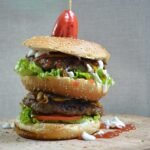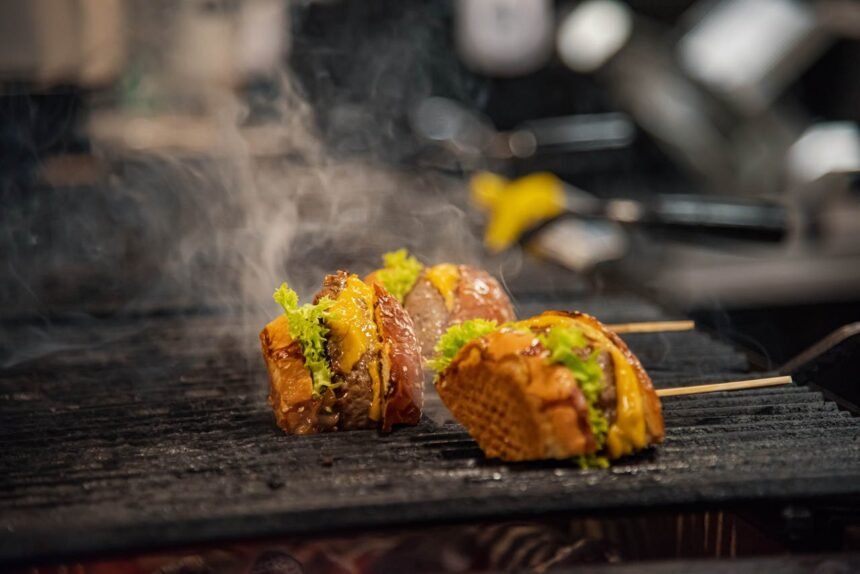
There is something uniquely evocative about the scent of a grilled burger sizzling over an open flame. Whether it is a summer garden party or a quick midweek dinner, the grilled burger remains a cornerstone of outdoor cooking. However, achieving that elusive balance between a juicy patty and a health-conscious meal requires more than just luck; it involves a blend of science, high-quality ingredients, and proper technique.
In this guide, we will explore how to elevate your grilling game while maintaining a focus on nutritional balance and food hygiene.
Choosing Your Base: The Foundation of Flavour
The secret to a world-class grilled burger begins long before you light the charcoal. Your choice of ground beef dictates the texture, moisture, and nutritional profile of the final result. For the most succulent results, experts often recommend a specific lean-to-fat ratio, typically 80/20. While leaner blends exist, some fat is essential for caramelisation and to prevent the meat from drying out under high heat.
If you are looking for a healthier protein source, you might consider alternatives. Many modern dietary preferences now lean towards poultry or plant-based options, which can be just as satisfying when prepared correctly.
Comparing Burger Bases
To help you decide which option fits your lifestyle, consider the following comparison:
| Meat Type | Average Fat Content | Best Grilling Method | Key Benefit |
|---|---|---|---|
| Standard Beef (80/20) | 20% | High direct heat | Maximum flavour/juiciness |
| Lean Ground Beef (90/10) | 10% | Medium-high heat | Lower calorie count |
| Ground Turkey | 7-10% | Medium heat | Lean protein alternative |
| Plant-Based Patty | Varies | Direct heat | Sustainable/Vegetarian |
Mastering Grilling Techniques
Preparation is key to ensuring your grilled burger stays intact and develops a rich crust. Follow these steps for the best results:
- Keep it cool: Do not let your meat sit at room temperature for too long. Keep the patties in the fridge until the moment they hit the grill to maintain structural integrity.
- Simple seasoning: Minimalist seasoning is often best. A generous coating of sea salt and cracked black pepper on the exterior of the patty creates a delicious crust without drawing out too much moisture from the ground beef.
- The thumbprint trick: Press a small indentation into the centre of each patty. This prevents the burger from “doming” or puffing up as the proteins contract during cooking.
- Avoid the “smash”: Resist the urge to press down on the patty with a spatula. This forces out the juices that make a juicy patty, potentially leaving you with a dry, tough meal.
Understanding barbecue safety is also vital. Ensure your grill is clean and preheated to prevent sticking and to kill any residual bacteria from previous use.
Temperature Control and Food Safety
When cooking meat, particularly for a crowd, food safety should be your primary concern. Undercooked minced meat can lead to foodborne illness, as bacteria on the surface of the meat are mixed throughout the patty during the grinding process.
To ensure your grilled burger is safe to eat, always utilise a digital meat thermometer. The British Dietetic Association emphasizes the importance of proper cooking temperatures to eliminate pathogens.
- Insert the thermometer into the thickest part of the patty.
- The internal temperature should reach at least 71°C (160°F) for beef and 74°C (165°F) for poultry.
- Allow the meat to rest for 2-3 minutes after removing it from the grill to allow the juices to redistribute.
The Perfect Build: Buns and Toppings
A grilled burger is only as good as its surroundings. A toasted brioche bun provides a buttery, slightly sweet contrast to the smoky meat. For those watching their intake of refined carbohydrates, opting for whole-grain alternatives is a great way to add fibre to your meal.
Consider these nutrient-dense toppings to add colour and crunch:
- Fresh Greens: Rocket, spinach, or classic cos lettuce.
- Healthy Fats: Sliced avocado provides a creamy texture and heart-healthy monounsaturated fats.
- Fermented Foods: Pickles or kimchi can support gut health while adding a zesty tang.
While traditional condiments like ketchup and mayo are popular, many people living with conditions like diabetes may prefer low-sugar alternatives or homemade salsas to manage their blood glucose levels effectively.
Health Considerations of Red Meat
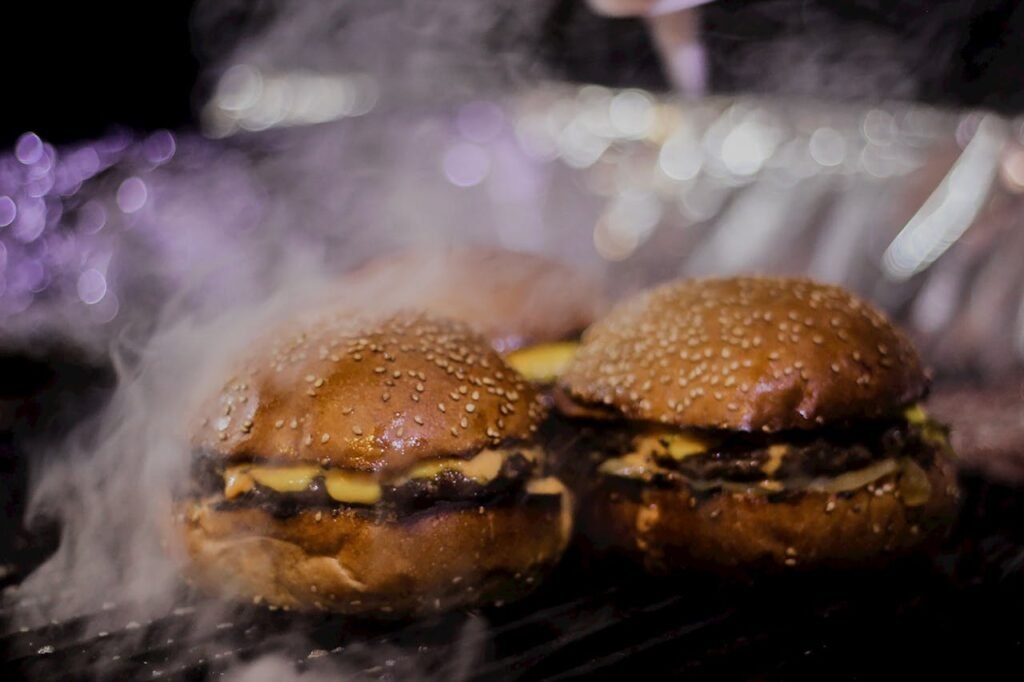
While a grilled burger is a fantastic protein source, it is important to be mindful of consumption frequency. Research from Cancer Research UK suggests that high intakes of red and processed meats may be linked to certain health risks. Balancing your plate with plenty of vegetables and choosing leaner cuts can help mitigate these risks.
Additionally, The American Heart Association recommends choosing lean proteins to support cardiovascular health. Integrating more plant-based meals into your weekly outdoor cooking routine is a proactive way to maintain long-term wellness.
For more detailed nutritional data on various meat preparations, you can consult the FAO nutrition resources or check specific ground beef profiles on Healthline.
Practical Tips for Safe Grilling
Safety extends beyond the food itself. When handling high heat equipment, always have a plan for emergencies. In the event of minor accidents, knowing basic first aid for burns is essential. Furthermore, ensure your grilling techniques include proper tool usage to avoid cross-contamination between raw and cooked foods.
General safe grilling practices involve keeping children and pets away from the hot zone and ensuring the grill is placed on a flat, stable surface away from flammable structures.
Frequently Asked Questions (FAQs)
Is it healthier to grill or fry a burger?
Grilling is generally considered healthier because it allows excess fat to drip away from the meat. This reduces the overall calorie and fat content compared to frying, where the meat often sits in its own rendered fat or added oils.
How do I stop my grilled burger from falling apart?
The key is to handle the meat as little as possible and keep the patties cold before grilling. Avoid adding “fillers” like onions or peppers directly into the meat mixture, as these can break the protein bonds. Season the outside of the patty just before cooking.
Can I eat a burger that is pink in the middle?
Unlike steak, ground beef should generally be cooked through. Because the grinding process can introduce bacteria into the centre of the meat, an internal temperature of 71°C is the safest standard to prevent illness.
What is the best way to clean a grill after making a grilled burger?
The easiest way is to clean the grates while they are still warm using a wire brush or a halved onion. This removes grease and carbon buildup effectively, ensuring your next grilled burger doesn’t have an “off” taste from burnt residue.