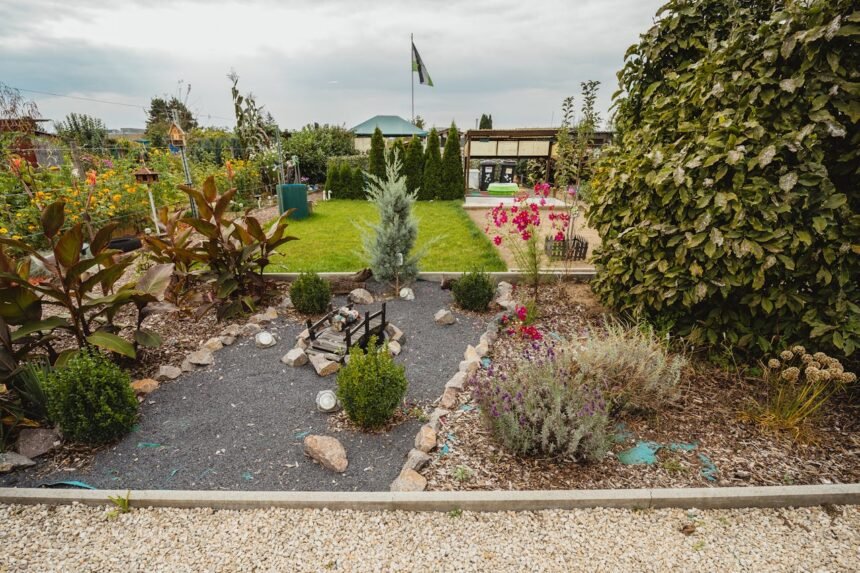
When we discuss the impact of poor air quality, we often focus on our own respiratory health. However, our green companions are often the silent sufferers of urban living. Plant damage smog is a significant concern that affects everything from your windowsill herbs to vast agricultural fields. Just as we feel the “sting” of pollution, plants experience physiological changes that can stunt their growth or even lead to their demise.
Smog isn’t just a grey haze over the city; it is a complex cocktail of chemicals. Understanding how these atmospheric pollutants interact with biology is the first step toward building a more resilient garden. In this guide, we’ll explore the science of how smog hurts plants, how to spot the symptoms, and what you can do to protect your local greenery.
What Exactly is Plant Damage Smog?
The term “smog” was originally a portmanteau of “smoke” and “fog”. Today, it usually refers to photochemical smog, which is created when sunlight reacts with nitrogen oxides and volatile organic compounds (VOCs). The primary culprit behind plant damage smog is ground-level ozone (O3). Unlike the protective ozone layer high in the stratosphere, ozone at ground level is a toxic gas for living organisms.
When plants “breathe” through tiny pores on their leaves called stomata, they inadvertently take in these toxic gases. Once inside, the ozone acts as a powerful oxidant, breaking down cellular structures and causing photosynthesis inhibition. This means the plant can no longer efficiently turn sunlight into energy, leading to a slow decline in its ecosystem health.
Signs Your Plants Are Struggling
Identifying plant damage smog can be tricky because the symptoms often look like nutrient deficiencies or natural ageing. However, there are specific “fingerprints” left by pollutants. If you are practising urban gardening, keep a close eye on your foliage for these tell-tale signs:
- Stippling: This appears as tiny, pigmented spots on the upper surface of the leaf. These spots are often red, purple, or black and are a classic sign of ozone exposure.
- Chlorosis: This is a yellowing of the leaf tissue caused by a lack of chlorophyll. While it can be a sign of nitrogen deficiency, when caused by smog, it often appears between the veins of the leaf.
- Necrotic Lesions: These are areas of dead tissue. Necrotic lesions often look like dried, bleached patches where the cells have essentially “burnt” out due to oxidant stress.
- Bronzing: Some plants respond to environmental stress by developing a metallic or bronze sheen on the underside of their leaves.
Comparing Common Pollutants and Their Effects
To help you diagnose your garden’s health, here is a comparison of how different pollutants manifest in plant life:
| Pollutant Type | Common Visual Symptoms | Impact on Plant Health |
|---|---|---|
| Ground-level Ozone | Stippling, flecking, and bronzing on upper leaf surfaces. | Reduced growth, premature leaf drop, and lower crop yields. |
| Sulfur Dioxide | Ivory or orange-red “bleached” areas between veins. | Severe tissue death and inhibited respiration. |
| Particulate Matter | A visible layer of grey or black “dust” on the leaf surface. | Blocked stomata and reduced light absorption for photosynthesis. |
The Science of Photosynthesis Inhibition
Why does plant damage smog matter so much? It boils down to carbon sequestration. Healthy plants act as a “sink” for carbon dioxide, helping to mitigate the effects of climate change. However, when particulate matter and ozone interfere with the leaf’s internal machinery, the plant’s ability to clean the air is compromised.
Studies published in Nature highlight that high levels of sulfur dioxide and nitrogen oxides can alter the soil pH, making it harder for roots to absorb essential nutrients. This creates a vicious cycle: the plant is attacked from the air and starved from the ground, significantly reducing its plant resilience.
How to Protect Your Garden from Smog
While you cannot control the city’s traffic or industrial output, you can take steps to shield your plants from the worst effects of plant damage smog. Whether you have a small balcony or a large allotment, these strategies can help:
- Choose Hardy Species: Some plants are naturally more resistant to pollution. Research by Kew Gardens suggests that plants with thicker, waxy leaves (like some species of Holly or Ivy) tend to withstand particulate matter better than those with soft, fuzzy leaves.
- Rinse Your Foliage: Regularly hosing down your plants helps remove the soot and dust that blocks their “breathing” pores. This is particularly important for evergreen shrubs in high-traffic areas.
- Maintain Hydration: A well-watered plant is a resilient plant. Drought stress makes plants more susceptible to the oxidative damage caused by air pollution.
- Improve Soil Health: Utilise organic compost to boost the microbial life in your soil. Strong roots provide the foundation for a plant to recover from environmental stress.
- Timing Matters: If you are applying fertilisers or treatments, avoid doing so on high-smog days, as the plant’s metabolic rate may already be struggling.
The Global Picture: Agriculture and Beyond
The impact of plant damage smog isn’t limited to urban flowerbeds. According to data from DEFRA, ozone pollution can reduce the yields of sensitive crops like wheat, potatoes, and soy by up to 15%. This has massive implications for food security and the economy.
Organizations like the Royal Horticultural Society (RHS) and the Woodland Trust are actively campaigning for more urban greening projects. Trees, especially those in the “Green Barrier” category, can trap pollutants before they reach smaller, more sensitive plants. This is why preserving our forests and supporting the Friends of the Earth initiatives is vital for a breathable future.
Recommended Resources for Further Reading
If you’re interested in the intersection of botany and air quality, consider exploring these authoritative sources:
- Discover the history of pollution at Britannica.
- Learn about the health impacts of smog on humans and nature in The Lancet.
- Track global air quality levels via NASA Earth Observatory.
- Read technical botanical studies on ScienceDirect.
- Stay updated on environmental policy changes through the BBC Science & Environment news page.
Frequently Asked Questions (FAQs)
Does smog affect indoor plants?
Generally, indoor plants are protected from the highest concentrations of ground-level ozone. However, if windows are left open in high-traffic areas, or if there is poor indoor ventilation, smog can still enter the home. Some indoor plants, like Spider Plants, are excellent at filtering certain indoor pollutants, but they can still show signs of stress if air quality is consistently poor.
Can plants recover from smog damage?
Yes, many plants can recover if the air quality improves or if they are moved to a cleaner environment. However, once necrotic lesions or brown spots appear, that specific leaf tissue cannot be “healed”. The plant must grow new, healthy foliage to replace the damaged parts. Pruning away the worst-affected leaves can help the plant focus its energy on new growth.
Which plants are most sensitive to smog?
Certain species act as “bio-indicators” because they are so sensitive to plant damage smog. Tobacco plants, morning glories, and certain varieties of beans and grapes are often the first to show symptoms. If these plants are struggling in your area, it is a strong signal that the local air quality needs attention.
By staying vigilant and choosing the right species, we can help our gardens thrive even in the heart of the city. Remember, a healthy plant isn’t just a decoration—it’s a vital part of our planet’s life-support system.