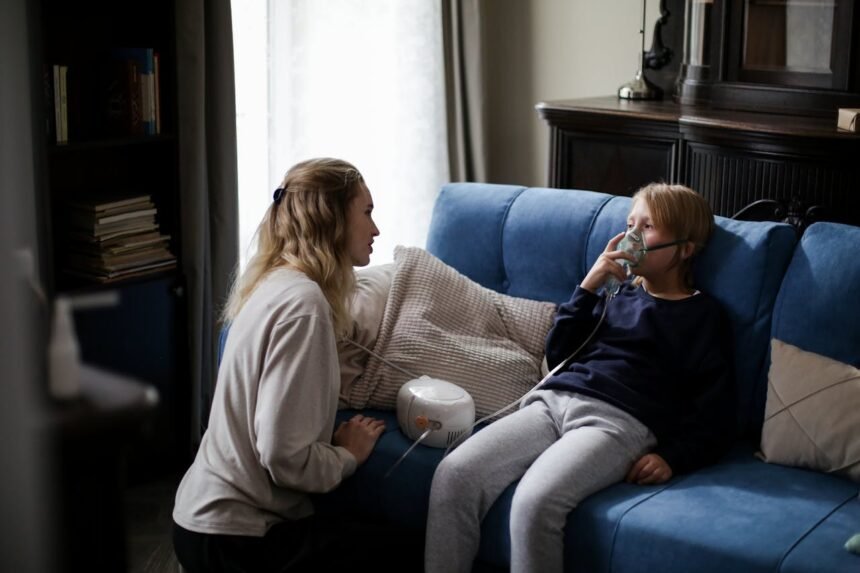
For any parent, watching a child struggle for breath is a heart-wrenching experience. While genetics and family history play a significant role, a growing body of evidence points toward a silent, invisible culprit: child asthma pollution. In the UK, the quality of the air our children breathe is becoming a central concern for healthcare professionals and families alike. This guide explores how environmental factors impact respiratory health and what you can do to safeguard your child’s future.
The Invisible Link: How Air Quality Affects Developing Lungs
Children are uniquely vulnerable to the effects of poor air quality. Because their lungs are still developing and they breathe at a faster rate than adults, they inhale a higher volume of pollutants relative to their body weight. Research published in Nature suggests that early exposure to traffic-related air pollution can permanently alter lung development, leading to long-term issues.
When we talk about child asthma pollution, we aren’t just talking about thick smog. We are referring to microscopic irritants that penetrate deep into the airways, causing inflammation and hyper-reactivity. This can trigger a sudden onset of wheezing, coughing, and chest tightness—the hallmark signs of a paediatric asthma flare-up.
Common Pollutants and Their Impact
Several specific substances are known to exacerbate symptoms. Understanding these can help you better manage your child’s environmental triggers:
- Nitrogen Dioxide (NO2): Often found near busy roads, nitrogen dioxide is a pungent gas that irritates the lining of the airways.
- Fine Particulate Matter (PM2.5): These tiny particles can travel deep into the lungs and even enter the bloodstream, affecting overall lung function.
- Ozone (O3): Ground-level ozone is a primary component of “smog” and is particularly high during hot, sunny days.
- Carbon Monoxide (CO): An odourless gas that interferes with the blood’s ability to carry oxygen, carbon monoxide can be dangerous in poorly ventilated indoor spaces.
Indoor vs. Outdoor Pollution: Which is Worse?
While we often focus on factory chimneys and exhaust pipes, indoor air quality is equally critical. Children spend up to 90% of their time indoors, making the home environment a primary source of exposure. According to Asthma + Lung UK, indoor irritants can be just as damaging as outdoor ones.
| Pollutant Type | Common Sources | Impact on Asthma |
|---|---|---|
| Outdoor | Vehicle exhausts, industrial plants, wildfires. | Triggers acute attacks and reduces long-term lung growth. |
| Indoor | Gas hobs, cleaning sprays, damp/mould. | Causes chronic inflammation and increases sensitivity to allergens. |
| Biological | Pollen, dust mites, pet dander. | Often co-exists with allergic rhinitis, worsening respiratory distress. |
Managing Symptoms: Beyond the Blue Inhaler
If your child has been diagnosed with asthma, your primary care physician has likely prescribed a bronchodilator for quick relief. However, relying solely on emergency medication isn’t enough in highly polluted areas. Effective management requires a proactive approach to minimise exposure to child asthma pollution.
The Mayo Clinic emphasizes that a written asthma action plan is essential. This plan should include your child’s daily medications and instructions on what to do during a “high pollution” day. Monitoring your child’s peak flow meter readings can also provide an early warning sign that their airways are narrowing before symptoms become obvious.
Improving the Air at Home
Taking control of your indoor environment is one of the most effective ways to reduce the burden of child asthma pollution. Consider the following steps:
- Ventilate correctly: Use extractor fans in the kitchen and bathroom, but keep windows closed during rush hour if you live near a main road.
- Eliminate smoke: Strictly prohibit smoking inside the home. Second-hand smoke is a major contributor to respiratory distress in children, as noted by the CDC.
- Choose fragrance-free: Many cleaning products and air fresheners contain volatile organic compounds (VOCs) that irritate sensitive lungs.
- Monitor Air Quality: Utilise apps that track the local air quality index (AQI) to decide when it is safe for your child to play outside.
When to See a Specialist
It is important to regularly review your child’s inhaler technique with a nurse or pharmacist. If you find your child is needing their reliever inhaler more than three times a week, their asthma may be poorly controlled. Consult the NICE guidelines for the latest standards in asthma care to ensure your child is receiving the most appropriate treatment.
Specialists at the Royal College of Paediatrics and Child Health recommend seeking further investigation if pollution seems to be a consistent trigger despite standard preventative medication. Sometimes, an adjustment in the “preventer” dosage is necessary during seasons with high particulate levels.

The Global Picture: A Call for Change
The World Health Organization (WHO) has tightened its air quality guidelines, recognising that even low levels of pollution can harm health. Public health initiatives, such as those discussed in The Lancet Public Health, advocate for low-emission zones and “school streets” where traffic is restricted during drop-off and pick-up times.
Studies found in the British Medical Journal (BMJ) highlight that children living in greener areas often have better respiratory outcomes, suggesting that urban planning plays a vital role in combating child asthma pollution. Parents can support these changes by advocating for cleaner air initiatives in their local councils.
For more information on managing your child’s condition, the European Respiratory Society and the American Academy of Pediatrics offer excellent resources for families navigating the challenges of environmental health.
Frequently Asked Questions (FAQs)
Can pollution actually cause asthma in a healthy child?
Yes. While pollution is a well-known trigger for existing asthma, recent studies suggest that long-term exposure to high levels of nitrogen dioxide and particulates may actually contribute to the development of asthma in children who previously had no symptoms.
Is it safe for my child to exercise outdoors when pollution is high?
When the air quality index is in the “poor” or “very poor” category, it is best to limit strenuous outdoor activity. Heavy breathing during exercise allows more pollutants to enter the lungs. Try to schedule outdoor play for early morning when ozone levels are typically lower.
Does using an air purifier really help with child asthma pollution?
High-efficiency particulate air (HEPA) purifiers can significantly reduce the amount of fine particulate matter and allergens in a single room. While they are not a “cure,” they can provide a cleaner environment for your child to sleep in, potentially reducing nighttime symptoms.
Where can I find reliable daily pollution forecasts?
The EPA and various UK-based environmental monitoring sites provide real-time data. Many weather apps now include an air quality feature that can help you plan your day accordingly.