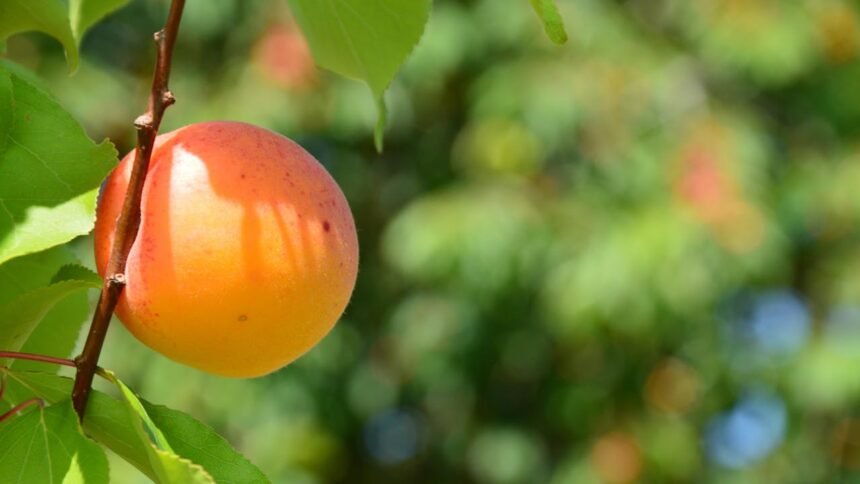
There is something almost magical about the apricot tree (Prunus armeniaca). Known for its delicate spring blossoms and velvet-skinned fruit, this stone fruit staple has been cultivated for over 4,000 years. Whether you are a budding gardener looking to enhance your backyard or a health enthusiast curious about the nutritional profile of its harvest, understanding the nuances of this tree is essential.
In this guide, we will explore the biological journey of the apricot tree, delve into the science-backed health benefits of its fruit, and provide expert tips on ensuring a bountiful harvest in your own garden.
Understanding the Prunus armeniaca
The apricot tree belongs to the Rosaceae family, making it a close relative of roses, plums, and cherries. While they originated in Central Asia, they have become a beloved fixture in temperate climates worldwide. Most modern cultivars are self-fertile, meaning you often only need one tree to produce fruit, though having a second tree can significantly increase your yield through cross-pollination.
When selecting a variety, many urban gardeners opt for dwarf apricot varieties. These smaller trees reach manageable heights of 2-3 metres, making them perfect for large pots or small patio spaces. Despite their size, they still produce full-sized fruit packed with flavour.
The Life Cycle of an Apricot
- The Dormant Season: During winter, the tree rests, requiring “chill hours” (temperatures between 0°C and 7°C) to set fruit for the following year.
- Blooming Season: Early in spring, the tree explodes into a cloud of white or pink blossoms, providing a vital food source for honeybees.
- Fruit Development: Once pollinated, the flowers drop, and small green drupes begin to form.
- Harvest: Depending on the climate, fruit is usually ready between early summer and late August.
Health Benefits: Why Apricots Are a Nutritional Powerhouse
Consuming the fruit from your apricot tree offers more than just sweet satisfaction. According to NHS guidelines, apricots are an excellent way to reach your 5-a-day goals. They are particularly famous for their high Vitamin A content, which is crucial for maintaining healthy vision and skin.
Research published in Nature highlights that apricots are rich in antioxidants, specifically flavonoids like quercetin. These compounds help neutralise oxidative stress in the body. Furthermore, the Mayo Clinic notes that high-fibre foods like apricots aid in digestive health and help maintain stable blood sugar levels.
Planting Your Apricot Tree: The Foundations of Success
Success with an apricot tree starts before the roots even touch the ground. Preparation is key to ensuring your tree thrives for decades.
Site Selection and Soil
Apricots require well-drained soil. They are highly susceptible to “wet feet,” which can lead to root rot. If your garden has heavy clay, consider planting in a raised bed or incorporating organic matter to improve drainage. They also need a spot in full sun—at least 6 to 8 hours of direct sunlight daily—to develop the sugars that make the fruit sweet.
The Planting Process
Most trees are purchased as a graft, where a specific fruit variety is joined to a hardy rootstock. When planting, ensure the graft union (the bump on the lower trunk) remains above the soil line. Dig a hole twice as wide as the root ball to allow roots to spread easily.
Maintenance and Care
To keep your apricot tree healthy, you must commit to a routine of maintenance. This involves three main pillars: watering, feeding, and fruit tree pruning.
- Watering: Young trees need consistent moisture. Once established, they are somewhat drought-tolerant but still require deep watering during dry spells.
- Feeding: Apply a balanced fertiliser in early spring before the blooming season begins.
- Pruning: This is best done during the dormant season or late summer to avoid “silver leaf” fungal infections. Pruning opens the canopy, allowing light and air to reach the centre of the tree.
Comparing Apricots and Their Closest Relatives
Many people confuse apricots with peaches. The following table highlights the key differences between an apricot tree and a peach tree to help you choose the right one for your garden.
| Feature | Apricot (Prunus armeniaca) | Peach (Prunus persica) |
|---|---|---|
| Skin Texture | Smooth, velvety, and thin. | Fuzzy and thicker. |
| Tree Size | Generally smaller and more compact. | Larger and more spreading. |
| Hardiness | Very cold hardy but blooms early. | Slightly more sensitive to extreme cold. |
| Flavour Profile | Tart-sweet, intense aroma. | Very sweet, high juice content. |
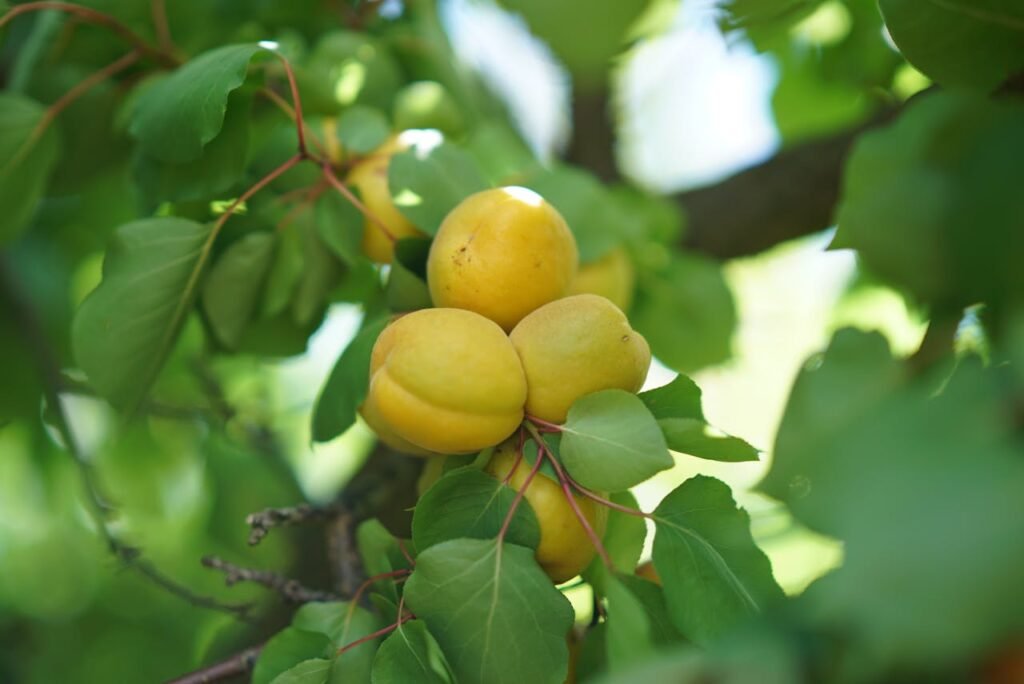
Challenges in Growing Apricots
While rewarding, the apricot tree faces specific challenges. Because they bloom so early in the year, late spring frosts can be devastating, killing the blossoms before they have a chance to fruit. Using frost blankets can help protect your harvest.
Additionally, pests like aphids or mites can be managed using organic pest control methods, such as neem oil or introducing beneficial insects like ladybirds. For more information on identifying common plant diseases, the Royal Horticultural Society (RHS) provides excellent diagnostic resources.
The Importance of Fruit Thinning
If your tree produces an overabundance of fruit, it is tempting to leave it all. However, fruit thinning—removing some of the small, developing apricots—is vital. This prevents branches from snapping under the weight and ensures the remaining fruit grows to a larger size and better quality.
Sustainable Growing and Biodiversity
Planting an apricot tree contributes to local biodiversity. Botanical experts at Kew Gardens emphasise the role of fruit trees in supporting urban pollinators. By avoiding harsh chemicals and utilising organic pest control, you create a safe haven for bees and butterflies.
For those interested in the environmental impact of home orchards, the Woodland Trust offers insights into how individual trees help carbon sequestration and improve air quality in residential areas.
Frequently Asked Questions (FAQs)
How long does it take for an apricot tree to produce fruit?
Typically, a young apricot tree will begin to bear fruit 3 to 4 years after planting. If you purchase an older, container-grown tree, you might see fruit as early as the second year.
Do I need two trees for pollination?
Most common varieties, such as ‘Moorpark’ or ‘Goldcot’, are self-fertile. However, even self-fertile trees usually produce a larger and more consistent crop if there is another variety nearby for cross-pollination.
What is the best climate for an apricot tree?
Apricots prefer a Mediterranean-style climate with dry springs. However, many cold hardy varieties have been developed to withstand the fluctuating temperatures of the UK and Northern North America. You can find more about climate zones at The National Gardening Association.
How do I know when apricots are ripe?
The fruit should be fully coloured (usually a deep orange) and yield slightly to gentle pressure. They do not continue to sweeten significantly once picked, so wait until they are ripe on the branch for the best flavour. Detailed nutritional profiles of ripe apricots can be found at Nutrition Value.
Further Reading and Resources
For those looking to dive deeper into the science of pomology (the study of fruit), consider exploring the following authoritative sources:
- ScienceDirect: Apricot Cultivation and Biology
- Missouri Botanical Garden: Prunus armeniaca
- Oregon State University: Home Orchard Guide
- UC Davis: Fruit and Nut Research
- NC State Extension: Growing Apricots
- Cornell University: Tree Fruit IPM
Growing your own apricot tree is a journey of patience and reward. From the first blossoms of spring to the sweet, sun-warmed fruit of summer, it is an investment in both your garden’s beauty and your personal health.