
Whether it is spread thickly over a warm scone or used as a glossy glaze for a fruit tart, apricot jam has long been a staple in British larders. With its vibrant orange colour and tangy-sweet profile, it offers a burst of summer sunshine even in the depths of winter. But beyond its delightful flavour, many health-conscious consumers wonder how this preserve fits into a balanced lifestyle.
In this guide, we will explore the nutritional profile of apricot jam, the science behind preserving fruit, and how you can enjoy this treat while managing your sugar intake. We will also dive into the culinary versatility of this golden preserve, from pastry fillings to savoury dishes.
The Nutritional Profile of Apricots
To understand the health impact of the jam, we must first look at the fruit itself. Apricots are a powerhouse of essential nutrients. They are members of the Rosaceae family, and their stone fruit nutrition profile is particularly high in vitamins and antioxidants.
Apricots are famous for their high beta-carotene benefits, which the body converts into Vitamin A. This is crucial for maintaining healthy vision and a robust immune system. Furthermore, the Vitamin C content found in fresh apricots helps support skin health and collagen production.
Nutritional Comparison: Fresh Apricots vs. Apricot Jam
While the cooking process can reduce some heat-sensitive vitamins, much of the mineral content remains. Here is how a standard serving of apricot jam compares to the fresh fruit:
| Nutrient (per 100g) | Fresh Apricots | Standard Apricot Jam |
|---|---|---|
| Calories | 48 kcal | 250–280 kcal |
| Sugar | 9g | 50–60g |
| Dietary fibre | 2g | 0.5–1g |
| Vitamin A | 1926 IU | Reduced significantly |
| Potassium | 259mg | Moderate retention |
Health Benefits and Considerations
When you consume apricot jam, you are getting more than just liquid sugar. Because the fruit skins are often included in the cooking process, some dietary fibre and phytochemicals are retained. According to the Mayo Clinic, fibre is essential for maintaining gut health and preventing constipation.
Antioxidant Properties
Apricots are rich in flavonoids, which are antioxidants that help protect the body from oxidative stress. Research published in ScienceDirect suggests that these compounds may help reduce inflammation. While the high temperatures used to reach the jam setting point may degrade some antioxidants, others remain stable and bioavailable.
Sugar Management
The primary concern with any preserve is the added sugar. The British Heart Foundation warns that high sugar intake can lead to weight gain and increased cardiovascular risk. If you are monitoring your blood glucose, you might consider sugar-free jam options or versions that utilise natural sweeteners like stevia or xylitol.
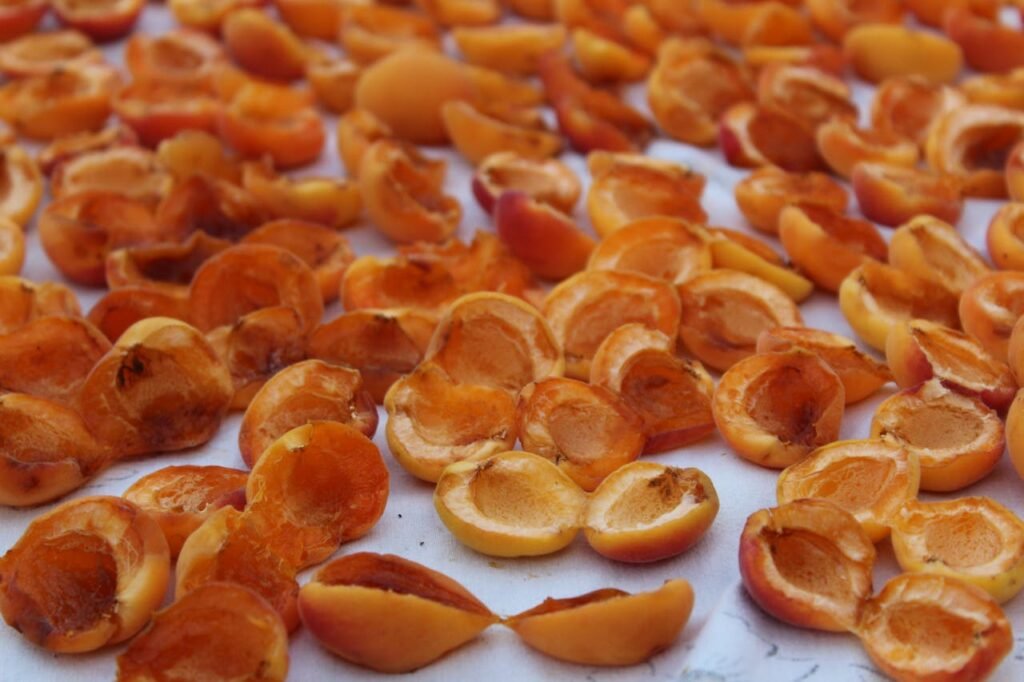
How to Make Homemade Preserves
Making your own homemade preserves allows you to control the ingredients and the sugar-to-fruit ratio. Many modern cooks are now experimenting with low sugar recipes to create a healthier version of this classic spread.
The Science of the Setting Point
Achieving the perfect consistency depends on pectin levels. Pectin is a natural starch found in the cell walls of fruits. Apricots are considered medium-pectin fruits, so adding a splash of lemon juice (which provides acid) helps the jam thicken properly. You can learn more about the chemistry of pectin from BBC Good Food.
Safety First: Canning and Sterilisation
When making jam at home, canning safety is paramount to prevent spoilage and foodborne illnesses like botulism. Follow these essential steps:
- Jar sterilization: Always wash your jars in hot, soapy water and dry them in a warm oven (approx. 120°C) before filling.
- The Cold Plate Test: To check if you have reached the jam setting point, place a small spoonful of hot jam onto a chilled saucer. If it wrinkles when pushed with a finger, it is ready.
- Storage: According to the National Center for Home Food Preservation, properly sealed jars should be stored in a cool, dark place.
Creative Culinary Uses for Apricot Jam
Apricot jam is remarkably versatile in the kitchen. It is not just for toast; its acidity and sweetness make it a fantastic ingredient for both sweet and savoury dishes.
- Pastry fillings: It is the traditional choice for Sachertorte or as a base layer for Bakewell tarts.
- Glazing ham: The sugars in the jam caramelize beautifully under the grill, making it perfect for glazing ham or roasting carrots.
- Yoghurt topper: Swirl a teaspoon into plain Greek yoghurt for a nutrient-boosted breakfast.
- Salad dressings: Whisk a tablespoon with apple cider vinegar and olive oil for a fruity vinaigrette.
In some niche culinary circles, you may also find apricot kernel oil used alongside the jam to enhance the almond-like aroma of the preserve. However, always ensure any kernels used are processed correctly to remove naturally occurring cyanogenic glycosides, as noted by the Food Standards Agency.
A Note on Dietary Restrictions
For those living with diabetes, managing apricot jam intake is vital. Diabetes UK recommends focusing on the total amount of carbohydrates in a meal. Using a small portion of high-fruit jam is generally better than a large portion of a “diet” jam filled with artificial thickeners.
For individuals with sensitive skin or allergies, it is worth noting that while rare, some people may experience cross-reactivity with stone fruits. If you have concerns, consult the NHS guidance on food allergies.
Conclusion: The Verdict on Apricot Jam
While apricot jam should be viewed as a treat rather than a primary source of vitamins, it does offer more nutritional value than many other refined sweets. By choosing high-fruit varieties or making your own with low sugar recipes, you can enjoy the beta-carotene benefits and the delightful tang of apricots year-round.
Remember that balance is key. A small amount of quality jam can turn a simple meal into a gourmet experience without compromising your health goals. For more detailed nutritional data on apricots, visit the USDA FoodData Central.
Frequently Asked Questions (FAQs)
Does apricot jam contain a lot of Vitamin C?
While fresh apricots are high in Vitamin C, much of it is lost during the boiling process required for jam. However, the jam still contains significant amounts of Vitamin A and potassium, which are more heat-stable.
Can I make apricot jam without adding pectin?
Yes, apricots contain moderate pectin levels naturally. If you use slightly under-ripe fruit and add lemon juice, the jam will usually set without the need for added liquid or powdered pectin.
How long does homemade apricot jam last?
If you follow correct jar sterilization and sealing procedures, unopened jars can last for up to 12 months in a cool, dark place. Once opened, they should be stored in the fridge and consumed within 4 weeks. Always check for signs of mould before eating.
Is apricot jam suitable for a vegan diet?
Yes, traditional apricot jam is made from fruit, sugar, and lemon juice, making it entirely vegan. Occasionally, some commercial brands use gelling agents, but these are almost always plant-derived (pectin) rather than animal-derived (gelatine).
Is it safe to eat the kernels found inside apricot stones?
Raw apricot kernels contain amygdalin, which can release cyanide. While apricot kernel oil is often refined for safety, the WebMD advisory suggests caution regarding the ingestion of raw kernels. Stick to the fruit flesh for your jam!