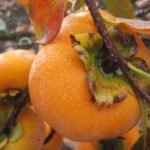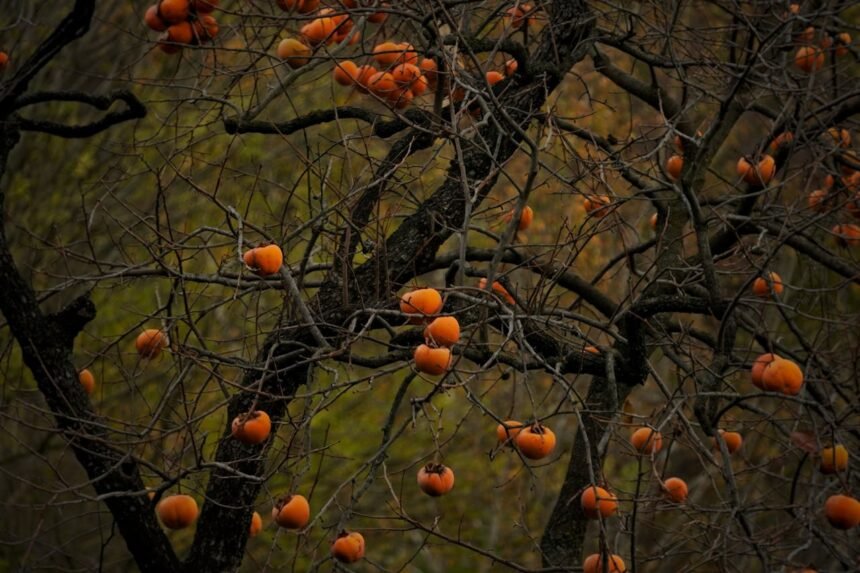
Often referred to as the “fruit of the gods,” the persimmon tree is a stunning addition to any garden, offering both aesthetic beauty and a bounty of delicious, honey-sweet fruit. Whether you are an experienced orchardist or a beginner gardener looking to add some autumn foliage to your backyard, this resilient tree is a fantastic choice. Known botanically as Diospyros kaki, the Oriental persimmon has been cultivated for centuries across Asia and is now finding a well-deserved home in UK gardens.
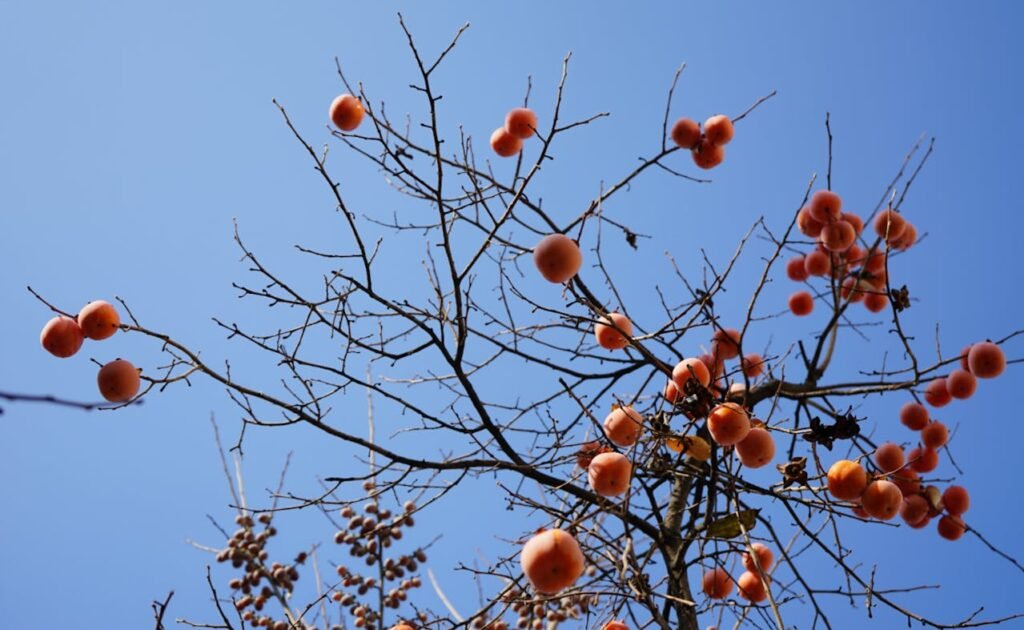
Beyond their vibrant orange colour, these trees are prized for their winter interest. When the leaves drop in late autumn, the bright fruits remain clinging to the branches like festive ornaments. In this guide, we will explore everything you need to know about choosing, planting, and caring for your own persimmon tree, while highlighting the incredible health benefits of its fruit.
Choosing the Right Variety: Astringent vs Non-Astringent
Before you rush to the nursery, it is crucial to understand the two main categories of persimmons. Choosing the wrong one can lead to a very “puckering” experience if eaten at the wrong time. This difference is largely due to the tannin content found within the fruit’s flesh.
The Non-Astringent Fuyu
The Fuyu variety is perhaps the most popular for home growers. These fruits are tomato-shaped and can be eaten while still firm and crunchy, much like an apple. They are low in tannins and offer a mild, sweet flavour from the moment they turn orange.
The Astringent Hachiya
The Hachiya variety is acorn-shaped and must be incredibly soft—almost jelly-like—before it is edible. If you bite into a firm Hachiya, the high levels of soluble tannins will leave your mouth feeling dry and chalky. Once fully ripe, however, they are unparalleled for making fruit leather or baking.
| Feature | Fuyu (Non-Astringent) | Hachiya (Astringent) |
|---|---|---|
| Shape | Squat, tomato-like | Elongated, acorn-like |
| When to Eat | Firm or soft | Only when very soft/mushy |
| Best For | Fresh salads, snacking | Baking, puddings, jams |
| Tannin Level | Low | High (until ripe) |
The Nutritional Powerhouse in Your Garden
Growing a persimmon tree isn’t just about the visual appeal; the fruit is a nutritional heavy-hitter. Persimmons are an excellent source of vitamin C, which is essential for immune system support. They are also packed with dietary fibre, which the Mayo Clinic suggests is vital for maintaining digestive health and stable blood sugar levels.
Recent studies published on Nature.com highlight the high concentration of polyphenols and antioxidants in persimmons. These compounds help combat oxidative stress and may reduce the risk of chronic diseases. Additionally, the fruit is rich in beta-carotene, which the body converts into Vitamin A to support eye health and skin integrity.
Key health benefits include:
- Heart Health: High levels of flavonoids have been linked to lower blood pressure and reduced inflammation, according to Harvard Health.
- Antioxidant Boost: Contains compounds like quercetin and kaempferol that protect cells.
- Low Calorie: A single fruit provides a wealth of nutrients for very few calories.
- Anti-inflammatory properties: Persimmons contain betulinic acid, which research on PubMed suggests may have anti-tumour properties.
Planting and Caring for Your Persimmon Tree
To ensure your tree thrives, you must consider its zone hardiness. Most persimmon tree varieties are hardy to UK climates, but they perform best in a sheltered, sunny spot. Because they bloom relatively late in the spring, they often escape the worst of the frost damage that affects other stone fruits.
Soil and Sunlight Requirements
The persimmon tree is not overly fussy about soil types, but it absolutely requires well-drained soil. It prefers a slightly acidic to neutral pH. According to the Royal Horticultural Society (RHS), a site in full sun is essential for the fruit to ripen properly before the first hard frosts of winter.
Maintenance and Pruning
One of the best attributes of this species is its natural pest resistance. They are rarely troubled by the common diseases that plague apple or pear trees. For the best edible landscape results, follow these pruning tips provided by Gardeners’ World:
- Prune in late winter or early spring while the tree is dormant.
- Remove any “dead, damaged, or diseased” wood to maintain tree health.
- Thin out crowded branches to allow sunlight to reach the centre of the canopy.
- Maintain a strong leader (the main vertical trunk) to support the weight of the heavy fruit.
The Joy of an Edible Landscape
Integrating a persimmon tree into your garden design provides more than just food. Its deep green leaves turn brilliant shades of yellow, orange, and red in the autumn, making it a standout feature for autumn foliage. As the Spruce notes, many varieties are self-fertile, meaning you only need one tree to get a full harvest, making it ideal for smaller urban gardens.
Historically, the persimmon tree has been a symbol of luck and longevity. According to Britannica, the wood of the tree is incredibly dense and was traditionally used to make high-quality golf club heads and billiard cues. Today, we value them more for their delicious fruit and their ability to thrive with minimal intervention.
Common Challenges and How to Overcome Them
While the persimmon tree is generally easy to grow, some gardeners struggle with fruit drop or slow growth. This is often due to inconsistent watering. While the tree is drought-tolerant once established, young trees need regular moisture to develop a deep root system. Adding a layer of organic mulch can help retain moisture and improve soil quality.
If you are looking for specific growth habits, consider looking at the Missouri Botanical Garden plant finder for detailed data on Diospyros kaki and its American cousin, Diospyros virginiana. For those interested in propagation, grafting is the most common method to ensure you get the specific fruit characteristics of the parent tree.
For more technical information on the chemical composition of these fruits, including their tannin content and health impacts, you can explore the archives at ScienceDirect or check out general health insights at Healthline.
Frequently Asked Questions (FAQs)
How long does it take for a persimmon tree to bear fruit?
Generally, a grafted persimmon tree purchased from a nursery will begin to produce fruit within 3 to 5 years. Trees grown from seed can take significantly longer, sometimes up to 10 years, and the fruit quality may be unpredictable.
Do I need two trees for pollination?
Most popular garden varieties, such as the Fuyu and Hachiya, are self-fertile. This means they do not require another tree for cross-pollination. However, having more than one tree can sometimes increase the overall yield and size of the fruit.
Can you grow a persimmon tree in a container?
Yes, smaller or “dwarf” varieties can be grown in large pots. You will need to ensure the container has excellent drainage and that you use a high-quality loam-based compost. Potted trees will require more frequent watering and regular feeding with a balanced fertiliser during the growing season.
How do I know when to harvest persimmons?
Harvest your persimmons when they have reached their full colour (usually deep orange) but are still firm. For Hachiya types, you can let them ripen on the tree until soft, or pick them firm and let them soften on a sunny windowsill indoors. For Fuyu types, you can pick and eat them as soon as they look ripe.