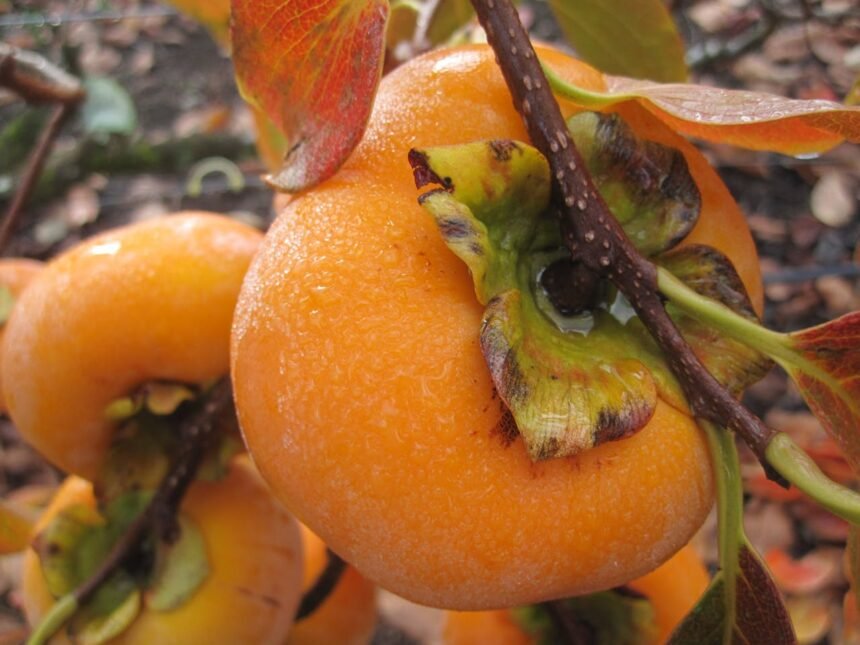
When the temperature drops and the leaves begin to turn, a vibrant, honey-sweet treasure appears in the produce section. The Fuyu persimmon is a delight of the colder months, prized for its unique shape, firm texture, and versatile flavour profile. Unlike its puckeringly tart cousins, this non-astringent variety is ready to enjoy even when it feels as firm as an apple.
Native to East Asia, specifically Japan and China, the Diospyros kaki (the scientific name for Asian persimmons) has gained global popularity. Whether you are a seasoned fan or a curious newcomer, understanding the nutritional benefits and culinary uses of the Fuyu persimmon can help you make the most of this seasonal gem.
What is a Fuyu Persimmon?
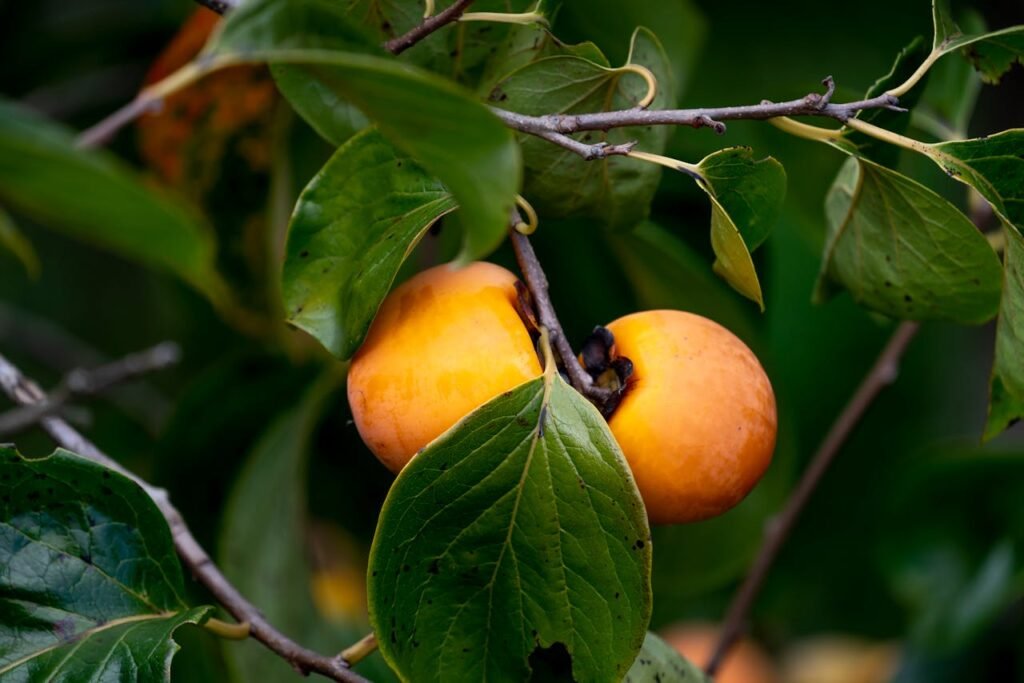
A Fuyu persimmon is easily identified by its squat, tomato-like shape and deep orange colour. It is distinct from the Hachiya persimmon, which is acorn-shaped and must be jelly-soft before eating to avoid a mouth-numbing astringency. The Fuyu is a standout autumn fruit because it lacks high levels of tannins, meaning you can bite into it while it is still crisp.
The edible skin is thin and smooth, and the flesh inside is typically seedless, though you may occasionally find a few small, dark seeds. Its flavour is often described as a delicate blend of honey, brown sugar, and pear.
Nutritional Profile of Fuyu Persimmons
Don’t let their sweetness fool you; these fruits are packed with essential nutrients. They are particularly high in dietary fibre and various vitamins that support overall wellness. According to NHS guidelines, including a variety of fruits like persimmons can contribute significantly to your daily nutritional needs.
| Nutrient (per 100g) | Approximate Value | Primary Benefit |
|---|---|---|
| Energy | 70 kcal | Natural energy boost |
| Dietary Fibre | 3.6 g | Digestive health |
| Vitamin A | 33% DV | Vision and immunity |
| Vitamin C | 13% DV | Skin health and repair |
| Manganese | 15% DV | Metabolism support |
Health Benefits of Adding Fuyu Persimmons to Your Diet
The Fuyu persimmon is more than just a sweet treat; it is a functional food that offers several science-backed health benefits.
1. Rich in Antioxidants
Persimmons are loaded with antioxidant properties that help combat oxidative stress. They contain flavonoids and carotenoids, including beta-carotene, which researchers at Nature have linked to a reduced risk of chronic diseases. These compounds neutralise free radicals, potentially lowering the risk of inflammation.
2. Supports Heart Health
The combination of fibre, antioxidants, and minerals makes the Fuyu persimmon an excellent choice for heart health. The high levels of pectin, a type of soluble fibre, have been shown to help manage cholesterol levels. As noted by the Mayo Clinic, dietary fibre is crucial for maintaining a healthy cardiovascular system.
3. Promotes Eye Health
With an impressive concentration of vitamin A and lutein, persimmons are vital for maintaining good vision. Vitamin A is a critical component of rhodopsin, a protein that allows your eyes to see in low-light conditions. Experts at the Harvard T.H. Chan School of Public Health emphasise the importance of carotenoids for long-term ocular health.
4. Digestive Wellness
One medium persimmon provides roughly 6 grams of fibre, helping you reach your daily goals for digestive regularity. Fibre adds bulk to the stool and serves as a prebiotic for healthy gut bacteria. Research published on PubMed highlights how fruit-derived fibres can significantly improve bowel function.
How to Select and Store Fuyu Persimmons
To enjoy the best flavour and crunchy texture, you need to know what to look for at the market. Unlike Hachiyas, which are often sold rock-hard to prevent bruising, Fuyus should feel heavy for their size and have a glossy, taut skin.
- Look for: A deep, consistent orange or reddish-orange hue. Avoid fruits with large bruises or broken skin.
- The Ripening Process: If your persimmons are still slightly green, keep them at room temperature. The ripening process can be accelerated by placing them in a paper bag with an apple or banana.
- Storage: Once ripe, they can stay on the counter for a few days or be stored in the refrigerator for up to a week. For longer storage, Oregon State University suggests drying or freezing the pulp.
Culinary Uses: How to Eat a Fuyu Persimmon
One of the best things about the Fuyu persimmon is its versatility in the kitchen. Because it maintains its structure, you can utilise it in both raw and cooked applications.
- Eat it Raw: Simply wash the fruit, remove the green calyx (the leafy top), and slice it like an apple. It makes a fantastic snack on its own.
- Fresh Fruit Salad: Toss sliced Fuyu with pomegranate seeds, mint, and a squeeze of lime for a refreshing winter fruit salad.
- Cheese Boards: Its mild sweetness pairs beautifully with salty cheeses like Manchego or sharp cheddar. Check out The Spruce Eats for more pairing ideas.
- Baking: While Hachiyas are traditional for puddings, diced Fuyus add a lovely texture to muffins, tarts, and cakes.
- Salads: Thinly slice them and add to a bed of rocket with walnuts and balsamic glaze.
Despite their sweetness, persimmons have a moderate glycaemic index, making them a better choice for blood sugar management compared to some processed snacks. However, due to their high sugar content (naturally occurring), portion control is still key for those monitoring their intake, as suggested by WebMD.
Potential Side Effects and Considerations
While generally safe and healthy, there are a few things to keep in mind. In rare cases, consuming excessive amounts of unripe persimmons (especially astringent ones) can lead to the formation of bezoars—small masses in the digestive tract. However, this is extremely uncommon with the Fuyu persimmon variety.
According to Medical News Today, individuals taking medication for high blood pressure should consult their doctor, as persimmons may further lower blood pressure levels. Furthermore, the high sugar content means those with diabetes should integrate them mindfully into their meal plans.
For more detailed scientific data on the phytochemicals found in Diospyros kaki, you can explore studies on ScienceDirect or read about their polyphenol content in the Journal of Agricultural and Food Chemistry.
Summary
The Fuyu persimmon is a seasonal powerhouse that deserves a spot in your autumn fruit bowl. From its high vitamin A content to its heart-healthy pectin, it offers a wealth of benefits wrapped in a delicious, honey-like package. Whether you’re slicing it into a fruit salad or enjoying its crunchy texture fresh off the tree, this fruit is a true celebration of autumn’s bounty.
For more inspiration on how to cook with this fruit, visit BBC Good Food or consult a registered dietitian via EatRight to see how they fit into your specific diet.
Frequently Asked Questions (FAQs)
Can you eat the skin of a Fuyu persimmon?
Yes, the edible skin of a Fuyu persimmon is perfectly safe to eat. It is thin and contains much of the fruit’s dietary fibre. However, some people prefer to peel it if they find the texture slightly waxy.
How do I know when a Fuyu persimmon is ripe?
Unlike the Hachiya variety, a Fuyu is ripe when it is firm and has turned a deep, solid orange. It should not have any green undertones. It will get softer as it sits, becoming even sweeter, but it can be enjoyed at any stage of the ripening process.
Are Fuyu persimmons good for weight loss?
With their high fibre content and relatively low calorie count per serving, they can be a great addition to a weight management plan. The fibre helps you feel full for longer, reducing the likelihood of overeating. For more on the role of fruit in health, visit Britannica for botanical and historical context.
What is the difference between Hachiya and Fuyu persimmons?
The main difference lies in astringency. Fuyu is a non-astringent variety that can be eaten firm. Hachiyas are highly astringent and contain high levels of tannins; they must be completely soft and jelly-like before consumption to avoid a bitter taste. You can find more nutritional comparisons at Healthline.