Often referred to as the “fruit of the gods,” the Hachiya persimmon is a stunning, heart-shaped addition to any home orchard. Known for its vibrant orange hue and silky, honey-like flesh, mastering Hachiya care is both a rewarding hobby and a culinary investment. However, unlike its crunchy cousin, the Fuyu, the Hachiya is an astringent persimmon that requires a specific touch to reach its peak flavour.
Whether you are a seasoned gardener or a novice enthusiast, understanding the nuances of Diospyros kaki (the botanical name for the Japanese persimmon) is essential. From choosing the right spot in your garden to navigating the delicate ripening process, this guide provides everything you need to know about nurturing these beautiful trees.
Getting Started: Planting and Sunlight Requirements
The foundation of excellent Hachiya care begins with the right location. These trees are remarkably resilient, but they have specific preferences to ensure a heavy crop of fruit. Hachiya trees thrive in temperate climates and are known for their impressive winter hardiness, often surviving temperatures down to -12°C once established.
To ensure your tree has the energy to produce large, sweet fruits, you must prioritise full sun requirements. Aim for at least six to eight hours of direct sunlight daily. While the trees can tolerate partial shade, the fruit quality and quantity will significantly diminish. When selecting your site, ensure the area has well-draining soil. Persimmons dislike “wet feet,” which can lead to root rot and poor nutrient uptake. You can learn more about soil health at the Royal Horticultural Society (RHS).
If you are purchasing a tree, most gardeners opt for grafted saplings. These are specifically bred to ensure the tree remains true to the Hachiya variety and often fruit much sooner than those grown from seed. Because most Hachiyas are self-fertile trees, you generally only need one to produce a harvest, though having a second tree can sometimes improve yields through cross-pollination.
Essential Maintenance: Water, Feed, and Pruning
Once your tree is in the ground, consistent maintenance is the key to longevity. Proper Hachiya care involves a balance of hydration and nutrition.
- Watering: During the first two years, water your tree deeply once a week. Once established, they are somewhat drought-tolerant, but regular moisture during the harvesting season ensures the fruit remains plump.
- Fertilising: Persimmons are not heavy feeders. Apply a balanced fertiliser in early spring before the new growth begins. Over-fertilising with nitrogen can lead to excessive leaf growth at the expense of fruit and may even cause premature fruit drop.
- Mulching: Apply a thick layer of organic mulch around the base of the tree to retain moisture and regulate soil temperature. Visit Kew Gardens for expert advice on organic mulching techniques.
Persimmon tree pruning for Health and Yield
Effective persimmon tree pruning is best performed during the dormant season (late winter). The goal is to create a strong “modified central leader” structure that can support the weight of the heavy fruit. Remove any dead or diseased wood and thin out crowded branches to allow light and air to reach the centre of the canopy. This practice not only improves fruit quality but also reduces the risk of fungal infections. For more on structural pruning, check BBC Gardeners’ World.
The Ripening Ritual: From Tree to Table
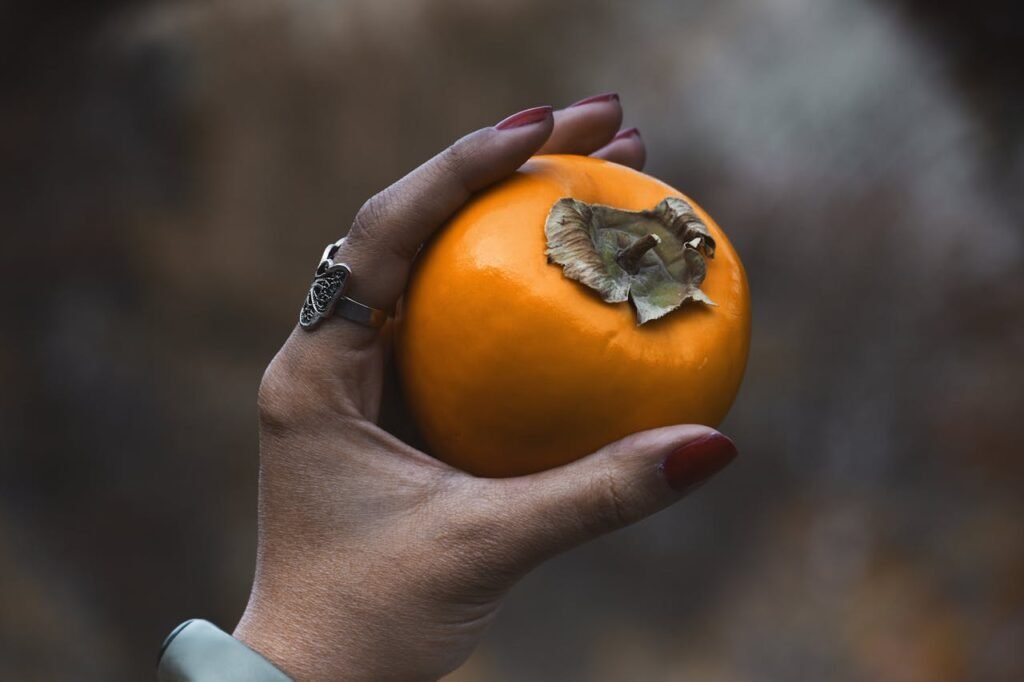
One of the most misunderstood aspects of Hachiya care is the harvest. If you bite into a Hachiya before it is ready, you will encounter incredibly high tannin levels, resulting in an unpleasant, “furry” sensation in the mouth. This astringency only disappears once the fruit is completely soft.
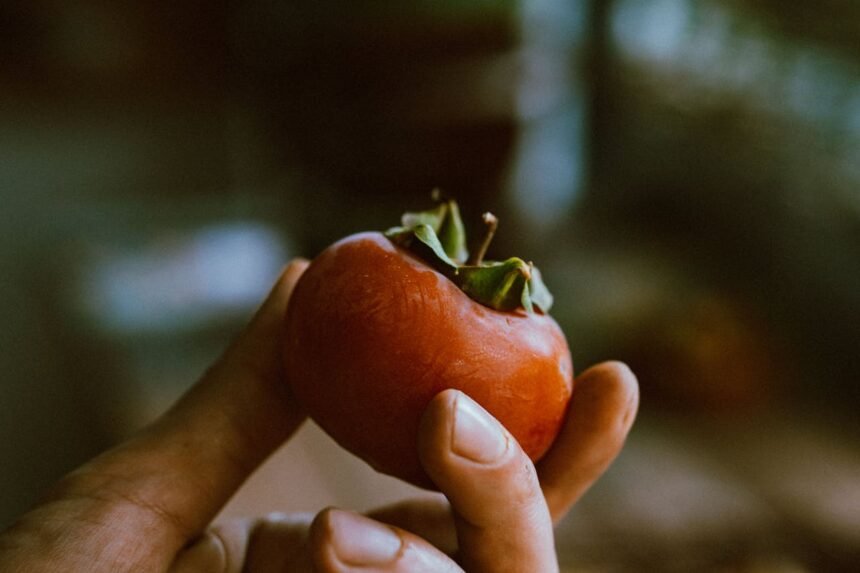
Hachiyas are typically ready for picking when they have turned a deep, uniform orange but are still firm to the touch. This usually occurs in late autumn. To ripen them at home, leave them at room temperature until they feel like a water balloon or jelly—soft, squishy, and almost translucent. You can speed up this ripening process by placing them in a paper bag with an apple or banana, which releases ethylene gas. Detailed post-harvest handling can be studied via the University of California Postharvest Centre.
Health Benefits of Hachiya Persimmons
Nurturing a Hachiya tree isn’t just about the aesthetics; the nutritional rewards are significant. Persimmons are a powerhouse of vitamins and minerals. According to the NHS, high-fibre foods are essential for digestive health, and a single Hachiya provides about 6 grams of dietary fibre.
They are also exceptionally high in Vitamin C, which supports the immune system, as noted in research found on PubMed. Additionally, the deep orange colour signifies a wealth of beta-carotene and other antioxidants that protect cells from oxidative stress. More information on the nutritional profile of persimmons is available at Healthline.
Comparing Persimmon Varieties
Understanding the difference between the Hachiya and its counterparts helps you tailor your Hachiya care routine. Use the table below to compare the two most popular varieties.
| Feature | Hachiya Persimmon | Fuyu Persimmon |
|---|---|---|
| Shape | Acorn/Heart-shaped | Squat/Tomato-shaped |
| Type | Astringent (Must be soft) | Non-astringent (Can be firm) |
| Texture | Jelly-like, smooth | Crisp, apple-like |
| Pollination Needs | Self-fertile | Self-fertile |
| Best Use | Baking, puddings, drying | Salads, fresh snacking |
Common Challenges in Hachiya Care
Even with the best Hachiya care, you may encounter a few hurdles. One common issue is “alternate bearing,” where the tree produces a massive crop one year and very little the next. Thinning the young fruit in early summer can help regulate this cycle. For more on orchard management, visit the National Trust.
Pests like mealybugs or scale can occasionally appear. Utilising organic horticultural oils is often the best first step. You can find detailed pest identification guides at Penn State Extension. Furthermore, scientific studies on Nature.com suggest that maintaining biodiversity in your garden can naturally control many common fruit tree pests.
Environmental stress can also lead to fruit drop. This is often the tree’s way of shedding excess load it cannot support. Consistent watering and ensuring proper pollination needs (even for self-fertile types) can mitigate this. General tree health guidelines are also provided by The Tree Council.
Culinary Inspiration
The versatility of the Hachiya is unmatched. Once the fruit has reached its jelly-soft state, the pulp can be scooped out and used in a variety of ways. From traditional steamed puddings to sophisticated coulis for panna cotta, the flavour is rich and complex. The Mayo Clinic suggests incorporating a variety of fruits into your diet for optimal heart health, and the Hachiya is a delicious way to do so. For historical context on the fruit’s journey from Asia, Britannica offers a wonderful overview.
Frequently Asked Questions (FAQs)
How long does it take for a Hachiya tree to fruit?
Generally, a grafted sapling will begin to produce fruit within 3 to 5 years of planting. Trees grown from seeds can take significantly longer, sometimes up to 10 years, which is why grafting is the preferred method for home gardeners.
Why is my Hachiya fruit falling off before it’s ripe?
This is known as fruit drop. It can be caused by several factors, including over-fertilisation with nitrogen, inconsistent watering, or the tree simply having more fruit than it can realistically ripen. Ensuring consistent Hachiya care and thinning the fruit early in the season can help.
Can I grow Hachiya persimmons in a container?
Yes, you can grow them in large containers, provided they have excellent drainage and you utilise a high-quality potting mix. However, the tree will likely remain smaller, and you will need to be more diligent with watering and feeding compared to trees planted in the ground. More tips on container gardening are available at Garden.org.
Do I need two trees for pollination?
No. Hachiya persimmons are self-fertile trees, meaning a single tree has both male and female flowers (or produces fruit parthenocarpically) and can fruit on its own. However, biodiversity in the garden is always beneficial for overall ecosystem health.
For more academic insights into the phenolic compounds of the fruit, you can explore articles on ScienceDirect or check the botanical archives at Wikipedia for a broad overview of the species.