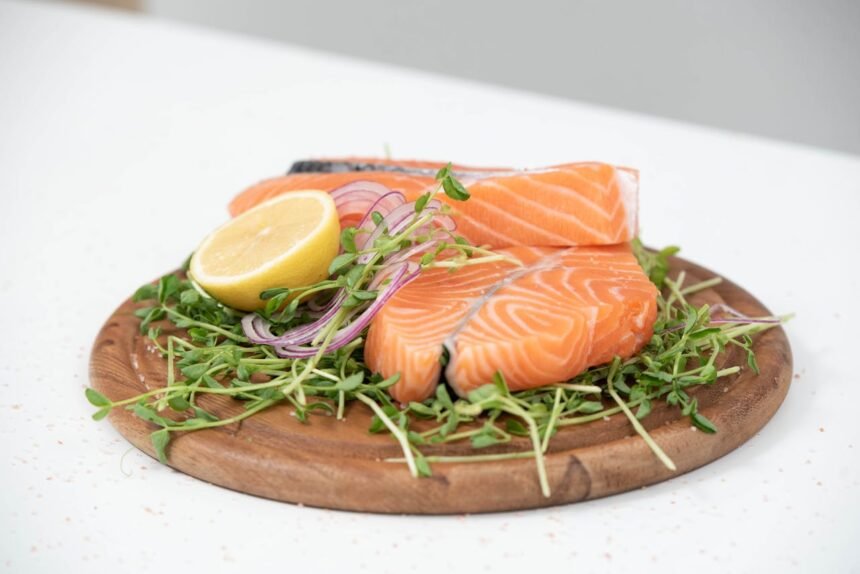
Whether you are a seasoned chef or a backyard enthusiast, the choice of smokehouse salmon wood is the defining factor between a mediocre meal and a culinary masterpiece. Smoking salmon is more than just a cooking method; it is a delicate culinary art that combines chemistry, patience, and the perfect selection of timber to elevate the natural richness of the fish.
Salmon is widely celebrated for its high levels of omega-3 fatty acids, making it a staple for heart-healthy diets. However, to truly honour the ingredient, understanding how different woods interact with the oils in the fish is essential. In this guide, we will explore the nuances of wood selection, the science of smoke, and how to achieve professional results at home.
Why Your Wood Choice Matters
When you place a fillet into a smoker, the aromatic smoke released by the wood chips or chunks penetrates the flesh. This process does more than just add flavour; it is a traditional form of food preservation that has been utilised for centuries. The type of wood you choose dictates the flavour profile, ranging from sweet and fruity to bold and earthy.
Because salmon has a distinct, oily texture, it absorbs smoke more readily than leaner meats. Choosing a wood that is too harsh, such as mesquite, can overpower the fish, leaving it tasting bitter. Instead, most experts recommend woods that offer mild flavours to complement the salmon’s natural sweetness.
The Best Varieties of Smokehouse Salmon Wood
Selecting the right smokehouse salmon wood depends on the specific outcome you desire. Here is a breakdown of the most popular choices used in modern culinary traditions:
- Alder: The traditional choice for Pacific Northwest-style salmon. It provides a light, slightly sweet flavour that doesn’t mask the fish.
- Apple: A popular choice among fruitwoods, apple wood delivers a dense, fruity sweetness that pairs beautifully with maple glazes.
- Cherry: Known for adding a vibrant mahogany colour to the skin, cherry wood offers a subtle, tart smokiness.
- Maple: Best for those who enjoy a mild, sweet finish. It is excellent for “candy” smoked salmon.
- Oak: A heavier option that works well if you are looking for a more traditional, “woody” depth without the bitterness of hickory.
Comparing Smokehouse Woods for Salmon
To help you decide which smokehouse salmon wood fits your palate, refer to the table below:
| Wood Type | Flavour Intensity | Best For… | Aroma |
|---|---|---|---|
| Alder | Delicate | Traditional Lox/Cold Smoking | Neutral/Sweet |
| Apple | Mild | Glazed Salmon Fillets | Fruity/Bright |
| Cherry | Mild/Medium | Aesthetic Appeal (Deep Red Colour) | Tart/Floral |
| Maple | Mild | Smoked Salmon Jerky | Sweet/Syrupy |
| Oak | Medium | Hot Smoked Flaked Salmon | Earthy/Classic |
The Science of Smoking: Cold vs Hot
Understanding the difference between cold smoking and hot smoking is vital for food safety and texture. Both methods require high-quality smokehouse salmon wood, but the application differs significantly.
Cold Smoking
Cold smoking typically occurs at temperatures below 30°C. The goal isn’t to “cook” the fish but to flavour and cure it. This process gives salmon its silky, translucent texture. Because the process can take 12 to 48 hours, using wood with a consistent moisture content is crucial to prevent the fire from going out or producing “dirty” soot-heavy smoke.
Hot Smoking
In hot smoking, the fish is cooked through while being infused with smoke. The internal temperature of the salmon should reach approximately 63°C (145°F) to ensure it is safe for consumption according to NHS nutrition and safety guidelines. This method results in a flaky, opaque texture similar to baked fish but with a deep, smoky finish.
Preparation: The Brining Process
Before the salmon even touches the smokehouse salmon wood, it must undergo a brining process. A brine is a mixture of salt, sugar, and spices that draws out excess moisture and seasons the flesh. This is essential for two reasons:
- Texture: It firms up the proteins, preventing the fish from becoming mushy.
- Pellicle Formation: After brining and drying, the fish develops a sticky outer layer called a pellicle. This layer is what the smoke “sticks” to, ensuring an even distribution of flavour.
For those interested in the nutritional profile of prepared fish, smoked salmon remains a healthy choice, though it is higher in sodium than fresh varieties due to this curing step.
Advanced Tips for the Perfect Smoke
To achieve professional-grade results, consider these advanced techniques:
1. Manage Your Heat Source: Whether you are using a dedicated smoker or a converted grill, hardwood pellets are often preferred for their consistent burn rate and low ash production. You can find more about the environmental impact of wood burning at the EPA Burn Wise resource.
2. Sustainable Sourcing: Always look for wood that comes from sustainable sourcing practices. Using chemical-free, untreated wood is non-negotiable for food safety. Furthermore, ensure your salmon is sourced responsibly to protect global stocks, as detailed by The British Nutrition Foundation.
3. Monitor Smoke Colour: You are looking for “thin blue smoke.” If the smoke is thick and white, your wood might be too damp or your airflow restricted, which can lead to a creosote buildup—a bitter, oily substance that ruins the flavour profile.
For more in-depth research on the chemical reactions during smoking, you can view studies on smoke-food interactions via Nature.com or explore the food science of smoked seafood on ScienceDirect.
Frequently Asked Questions (FAQs)
Can I use softwoods like pine for smoking salmon?
No, you should strictly avoid softwoods like pine, fir, or cedar for the actual smoke source. These woods contain high levels of resin and sap, which produce an unpleasant, acrid smoke and can even make you ill. Stick to hardwoods and fruitwoods for your smokehouse salmon wood.
How long does smoked salmon last?
Hot-smoked salmon usually lasts for 1 to 2 weeks in the fridge if vacuum-sealed. Cold-smoked salmon can last slightly longer but should be consumed within a week once opened. For more information on seafood safety, visit the Scottish Government’s fisheries guidelines.
Do I need to soak my wood chips before smoking?
This is a debated topic. While some believe soaking prevents the wood from burning too quickly, many experts argue that it merely delays the smoke production as the water must evaporate first. For a consistent aromatic smoke, using dry wood with a controlled airflow is generally more effective.
Is smoked salmon as healthy as fresh salmon?
Smoked salmon retains most of its omega-3 fatty acids and protein. However, the smoking process introduces nitrates and higher salt levels. It is an excellent source of Vitamin D and B12, but it should be enjoyed in moderation as part of a balanced diet. Research on fish consumption and longevity can be found at ScienceDaily.
Final Thoughts
Perfecting your use of smokehouse salmon wood is a journey of trial and error. By understanding the characteristics of different timbers—from the lightness of alder to the sweetness of apple—you can tailor your smoking process to your exact preferences. For further inspiration on recipes and techniques, check out BBC Good Food’s smoking guide or The Spruce Eats’ wood flavour chart.