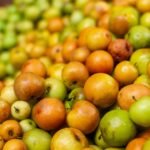
What Does a Jujube Taste Like? Your Guide to the Unique Jujube Taste
If you have ever wandered through an Asian supermarket or explored a traditional herbalist’s shop, you have likely encountered a small, wrinkled fruit known as the jujube. Often referred to as the Chinese date or red dates, this fruit belongs to the Ziziphus jujuba species. But for the uninitiated, the most pressing question is often: what exactly is the jujube taste?
The flavour profile of a jujube is a fascinating journey that changes dramatically depending on whether the fruit is consumed fresh or dried. In this guide, we will explore the nuances of the jujube taste, its texture, and why this ancient fruit has been a staple in Eastern diets for millennia.
The Fresh Experience: Like a Miniature Apple
When you bite into a fresh jujube, the experience is strikingly similar to eating a small, crisp apple. The texture is firm and crunchy, with a white, juicy interior. Unlike a standard date, which is sticky and dense, a fresh jujube is light and refreshing. However, the jujube taste is subtler than that of a Granny Smith or Braeburn.
The sweetness is delicate—it is not an overwhelming sugar hit. Instead, it offers a mild, slightly tart undertone that makes it perfect for healthy snacking. As the fruit ripens and its skin turns from green to a mottled reddish-brown, the sugars concentrate, making the jujube taste sweeter and the flesh slightly softer.
The Dried Sensation: Sweet, Chewy, and Deep
Most people outside of Asia are more familiar with the dried fruit version. When the water content is removed, the jujube taste undergoes a complete transformation. It becomes much richer, developing deep notes of caramel, molasses, and even a hint of cinnamon.
In its dried state, the Chinese date becomes spongy and chewy. It loses its “snap” but gains a complexity that is highly valued in culinary uses across the globe. This concentrated sweetness is why they are so popular in desserts and sweetened porridges.
Fresh vs. Dried: A Comparison Table
To help you decide which version suits your palate, here is a quick breakdown of the differences in texture and jujube taste:
| Feature | Fresh Jujube | Dried Jujube (Red Date) |
|---|---|---|
| Texture | Crisp, crunchy, apple-like | Spongy, chewy, slightly sticky |
| Sweetness Level | Mild to moderate | Intense, concentrated caramel |
| Primary Flavour | Sweet-tart, light | Rich, earthy, molasses-like |
| Best For | Raw snacking, salads | Tea, soups, baking, medicine |
Why People Love the Jujube Taste
Beyond the palate, the jujube taste is often associated with wellness. The fruit is famously antioxidant rich, which has led to its long-standing reputation in traditional medicine. People do not just eat jujubes for the flavour; they eat them for their impressive nutritional profile.
- Vitamin C: A single serving of fresh jujubes can provide a significant portion of your daily vitamin C requirement.
- Dietary Fibre: Both versions are excellent sources of dietary fibre, aiding digestion.
- Phytochemicals: Research published in Nature highlights the various compounds that contribute to its medicinal properties.
How to Utilise Jujubes in Your Kitchen
If you have acquired some jujubes and want to make the most of the jujube taste, there are several ways to incorporate them into your diet:
- Herbal Tea: Dried jujubes are a classic ingredient in herbal tea. Simply simmer them with ginger and goji berries for a soothing, naturally sweet drink.
- Morning Porridge: Chop dried jujubes and stir them into your oats or congee to add a natural sweetness without refined sugar.
- Savory Soups: In many East Asian cultures, the jujube taste is used to balance savory broths, especially those featuring chicken or medicinal herbs.
- Salad Toppers: Slice fresh jujube and toss it into a green salad for a surprising crunch that rivals the classic apple-and-walnut combo.
The Medicinal and Sleep Connection
Interestingly, the jujube taste isn’t the only reason people keep these fruits in their pantry. For centuries, they have been utilised to promote relaxation. According to reports on Medical News Today, jujube extract may help improve sleep quality and reduce anxiety. This makes the fruit a popular bedtime snack or tea ingredient for those struggling with restlessness.
The National Library of Medicine has hosted numerous studies investigating the sedative effects of jujube seeds and pulp, reinforcing the idea that this fruit is a powerhouse of medicinal properties.
Selecting the Best Fruit
To ensure you get the best jujube taste, follow these tips:
When buying fresh, look for fruit that is firm and heavy for its size. Avoid any that are overly soft or bruised. If you prefer the dried fruit, ensure the skins are deep red and slightly shiny. You can find high-quality specimens at reputable nurseries or specialty stores, often recommended by the Royal Horticultural Society for those looking to grow their own.
Conclusion
The jujube taste is a delightful bridge between the familiar and the exotic. Whether you prefer the crisp, apple-like bite of a fresh jujube or the deep, caramel sweetness of a dried fruit, there is no denying its versatility. With an excellent nutritional profile and a history rooted in wellness, it is a fruit that deserves a place in your kitchen centre.
If you are looking to diversify your snacks, the Ziziphus jujuba offers a unique combination of health benefits and satisfying flavours. Check out more nutrition basics to see how fruits like these can fit into your daily routine.
Frequently Asked Questions (FAQs)
Is a jujube the same as a regular date?
No, they are different species. While they share a name and a similar appearance when dried, the jujube taste is less syrupy than a Medjool date. Jujubes are also much higher in vitamin C. For more on dietary differences, visit FoodData Central.
Can you eat the skin and seeds of a jujube?
The skin is perfectly edible and contains many of the fruit’s antioxidants. However, the seed in the centre is hard and should be discarded. The seeds are sometimes processed separately for medicinal properties in traditional practices.
Where can I buy jujubes to experience the jujube taste?
Fresh jujubes are seasonal and usually found in late summer at Asian grocery stores. Dried red dates are available year-round in most health food shops or online. Always check for quality and origin, as noted by the NHS when considering new dietary supplements or exotic fruits.