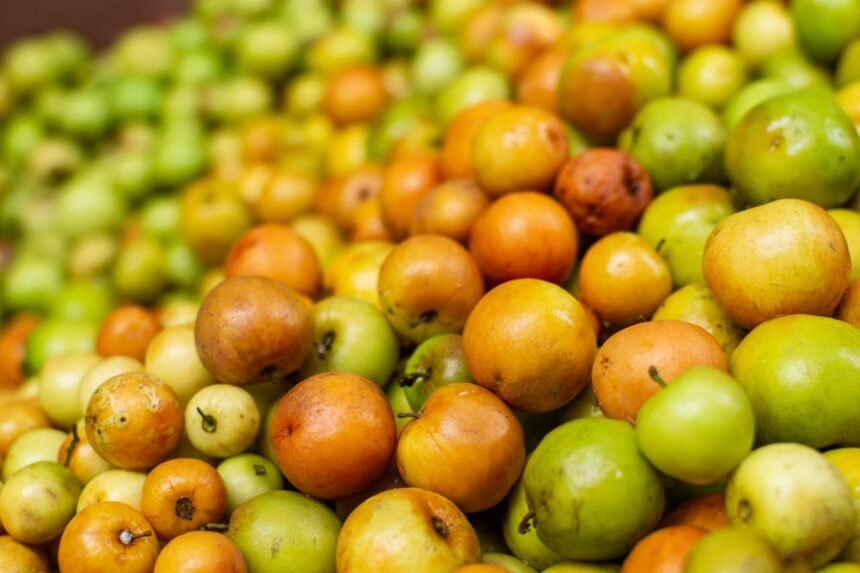
If you have ever strolled through an Asian supermarket or a specialist grocer during the late summer months, you may have spotted small, oval fruits that resemble miniature green apples or speckled maroon gems. This is the fresh jujube, a powerhouse of nutrition that has been celebrated in traditional medicine for millennia. Known botanically as Ziziphus jujuba, this fruit is finally gaining the recognition it deserves in the West as a versatile and health-boosting snack.
Whether you call it the Chinese date, red date, or Korean date, the fresh version of this fruit offers a crisp texture and a delicate sweetness that differs significantly from its chewy, dried counterpart. In this guide, we will explore why adding fresh jujube to your diet could be a game-changer for your well-being.
The Nutritional Profile of Fresh Jujube
When it comes to nutrient density, the fresh jujube punches well above its weight. Unlike many other fruits, it is remarkably low in calories while being incredibly antioxidant-rich. The most notable feature of the fresh jujube is its staggering vitamin C content, which often surpasses that of citrus fruits like oranges and lemons.
A single serving provides a significant amount of dietary fibre, helping you feel fuller for longer and supporting weight management goals. It also contains essential minerals, such as potassium, which is vital for maintaining healthy blood pressure levels.
The following table compares the nutritional characteristics of the fresh fruit versus the more common dried jujube:
| Nutrient (per 100g) | Fresh Jujube | Dried Jujube |
|---|---|---|
| Calories | 79 kcal | 287 kcal |
| Vitamin C | High (approx. 69mg) | Moderate (reduced by heat) |
| Sugar Content | Lower | Higher (concentrated) |
| Texture | Crisp and juicy | Chewy and dense |
Top 5 Health Benefits of Fresh Jujube
The therapeutic properties of fresh jujube are well-documented in traditional medicine practices. Modern science is now beginning to validate these ancient claims, particularly regarding the fruit’s unique bioactive compounds.
1. Enhances Sleep Quality
One of the most famous uses of jujube is to treat insomnia and anxiety. The fruit contains saponins and flavonoids, which have a sedative effect on the nervous system. By reducing oxidative stress in the brain, fresh jujube may help improve overall sleep quality without the grogginess associated with pharmaceutical aids.
2. Boosts Immune System Function
Because of its high vitamin C content, the fresh jujube is an excellent ally for your immune system. Vitamin C stimulates the production of white blood cells, the body’s primary line of defence against infections and pathogens.
3. Supports Gut Health
Maintaining a healthy gut microbiome is essential for total body health. The dietary fibre found in fresh jujube acts as a prebiotic, feeding the beneficial bacteria in your stomach. This aids in digestion and can prevent common issues such as constipation.
4. Potent Antioxidant Properties
The fruit is antioxidant-rich, containing compounds like triterpenic acids and polysaccharides. These substances help neutralise harmful free radicals, potentially reducing the risk of chronic illnesses and supporting cellular repair.
5. Blood Sugar Regulation
Recent studies published on PubMed suggest that the extracts from Ziziphus jujuba may help sensitise insulin receptors. This makes it a potentially useful fruit for managing blood sugar levels, provided it is consumed as part of a balanced diet.
Culinary Uses: How to Enjoy Fresh Jujube
While many are accustomed to the dried jujube used in soups and teas, the fresh jujube offers a unique culinary experience. Its flavour is often described as a cross between a tart green apple and a sweet date.
Here are some of the most popular culinary uses for this versatile fruit:
- Raw Snacking: Simply wash the fruit and eat it whole, just like a small apple. Ensure you avoid the hard stone in the centre.
- Salad Toppings: Slice fresh jujube into thin rounds and toss them into a green salad for a sweet, crunchy contrast to bitter leaves.
- Jujube Tea: Thinly slice the fruit and steep it in hot water with ginger and honey for a soothing, caffeine-free beverage.
- Preserves and Jams: Due to their natural pectin content, fresh jujubes can be boiled down into delicious spreads or compotes.
- Baking: Utilise chopped fresh jujubes in muffins or cakes as a healthier alternative to refined sugar or processed dried fruits.
Selecting and Storing Fresh Jujube
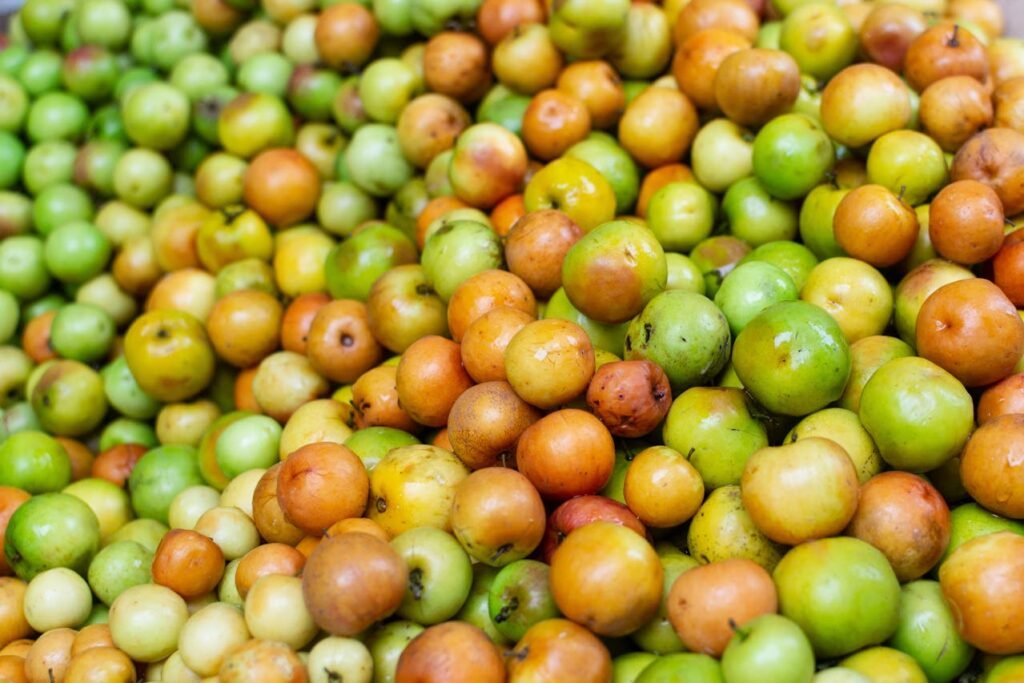
When shopping for fresh jujube, look for fruits that feel firm to the touch. The colour is a key indicator of ripeness:
- Green: These are underripe and will be very tart and extremely crunchy.
- Yellow-Green with Brown Spots: This is the “sweet spot” where the fruit is at its most flavourful and crisp.
- Fully Brown/Red: At this stage, the fruit begins to soften and lose its crunch, starting the natural drying process.
Store your fresh jujubes in the refrigerator to maintain their crispness. They will generally stay fresh for up to two weeks when kept in a breathable bag in the crisper drawer.
Potential Side Effects and Precautions
For the vast majority of people, fresh jujube is a safe and healthy addition to the diet. However, there are a few things to keep in mind:
- Diabetes: While they have benefits for blood sugar, they still contain natural sugars. Always monitor your intake.
- Medication Interactions: If you are taking antidepressants or anti-seizure medication, consult your doctor, as jujube can interact with certain chemicals in the brain.
- Digestion: Because they are high in fibre, eating excessive amounts too quickly may cause bloating in sensitive individuals.
For more detailed information on supplement safety, you can visit Examine.com or the Cochrane Library for evidence-based reviews.
Summary
The fresh jujube is a remarkable fruit that offers far more than just a sweet taste. From its impressive vitamin C content to its ability to improve sleep quality and gut health, it is a true nutritional gem. Whether you are looking for a new healthy snack or a natural way to support your immune system, this ancient fruit is well worth seeking out. As part of a healthy diet, the fresh jujube provides a unique combination of flavour and function that is hard to beat.
Frequently Asked Questions (FAQs)
Can you eat the skin of a fresh jujube?
Yes, the skin of the fresh jujube is entirely edible. In fact, much of the dietary fibre and antioxidant-rich compounds are concentrated in the skin. Just be sure to wash the fruit thoroughly before consuming to remove any surface dust or residues.
Is fresh jujube better than dried jujube?
Neither is necessarily “better,” but they serve different purposes. Fresh jujube has more vitamin C and fewer calories per gram, making it ideal for weight management and raw snacking. Dried jujube is more concentrated in minerals and sugar, making it a better choice for sweetening soups or for use as a long-term pantry staple.
How many fresh jujubes can I eat a day?
While there is no strict limit, a standard portion size is about 3 to 5 large fruits or a small handful of smaller ones. This provides a healthy dose of nutrients without excessive sugar intake. As with all nutrient-dense foods, moderation is key to maintaining a balanced diet.
Where can I find fresh jujube in the UK?
Fresh jujubes are typically in season from late August through October. You are most likely to find them in specialist Asian supermarkets, Middle Eastern grocers, or high-end organic markets in larger cities like London, Manchester, or Birmingham.