Mastering Jujube Tree Care: The Ultimate Guide to Growing Chinese Dates
Whether you are a seasoned orchardist or a weekend garden enthusiast, Jujube tree care offers a rewarding experience with minimal fuss. Known scientifically as Ziziphus jujuba, this resilient deciduous tree is often referred to as the Chinese date. It is prized not only for its delicious, apple-like fruit but also for its exceptional ability to thrive in harsh conditions where other fruit trees might struggle.
In this guide, we will explore the nuances of maintaining a healthy tree, from soil requirements to harvesting tips, ensuring your garden remains a productive sanctuary.
Understanding the Jujube Tree
The jujube is a unique specimen that combines ornamental beauty with high-yield fruit production. These trees are incredibly drought-tolerant once established and can survive in a wide range of hardy zones. Before diving into the specifics of Jujube tree care, it is helpful to understand the tree’s natural lifecycle, which involves a deep winter dormancy period that helps it withstand temperatures as low as -28°C.
Key Cultivars at a Glance
Choosing the right variety is the first step in successful Jujube tree care. Some varieties are better for fresh eating, while others excel when dried. Consider the following popular options:
| Cultivar | Fruit Characteristics | Best Use |
|---|---|---|
| Li | Large, round, very sweet | Fresh eating |
| Lang | Pear-shaped, dries well | Drying and processing |
| Honey Jar | Small, exceptionally juicy | Gourmet fresh snacking |
| Sugar Cane | Small to medium, crunchy | Fresh eating |
Optimal Environmental Conditions
To achieve the best results, you must mimic the tree’s native environment. While jujubes are tough, they have specific preferences that dictate their growth rate and flavour profile.
- Full Sun: Jujubes require a minimum of six to eight hours of full sun daily. Sunlight is the primary driver for fruit sugar content.
- Soil Quality: While they tolerate poor soils, they prefer well-drained, sandy soil. They are also notably tolerant of alkaline conditions, as noted by the Royal Horticultural Society.
- Watering: During the first two years, regular watering is vital for root establishment. Mature trees are highly resistant to dry spells but need consistent moisture during the fruiting stage to prevent fruit drop.
Essential Steps for Jujube Tree Care
Proper maintenance ensures your tree remains vigorous and disease-free. Follow these core pillars of care to optimise your harvest.
1. Fertilising and Soil Nutrition
Jujubes are not heavy feeders, but a balanced approach helps. In early spring, apply a nitrogen-rich fertiliser to stimulate new growth. Research from Texas A&M University suggests that over-fertilising can lead to excessive foliage at the expense of fruit. Always follow up with a layer of organic mulch to retain moisture and regulate soil temperature.
2. Pruning for Health and Shape
The primary pruning season occurs in late winter while the tree is dormant. This involves removing “suckers” that sprout from the base and thinning out crowded branches to improve air circulation. Unlike many other fruit trees, jujubes produce fruit on new wood, so yearly pruning encourages better yields. Detailed pruning guides can be found via Gardeners’ World.
3. Managing Pollination
Many jujube varieties are self-fertile, but cross-pollination often results in a significantly larger crop. Planting two different cultivars near each other ensures that bees and other pollinators can effectively move between blossoms. Understanding the botanical structure of these flowers is essential for commercial growers, as discussed on Britannica.
Health Benefits and Nutritional Profile
The fruit of the jujube tree is a nutritional powerhouse. Medical experts at Healthline highlight its high vitamin C and antioxidant content. Integrating these fruits into your diet may support immune health and improve sleep quality.
Furthermore, the Mayo Clinic emphasizes the importance of dietary antioxidants found in fruits like the Chinese date for reducing oxidative stress. For those interested in the chemical composition, ScienceDirect provides extensive data on the fruit’s bioactive compounds.
Pest Control and Disease Management
One of the best aspects of Jujube tree care is the tree’s natural resistance to most pests. However, staying vigilant is key. Common issues include:
- Birds: They are often attracted to the ripening fruit. Using netting is an effective deterrent.
- Root Rot: This usually occurs in heavy clay soils with poor drainage. Ensure your planting site is well-drained to avoid fungal infections.
- Mites: In very dry climates, spider mites may appear. A simple blast of water or organic insecticidal soap is usually sufficient for pest control.
For more specific plant pathology, the Food and Agriculture Organization (FAO) offers resources on sustainable crop protection.
Harvesting Your Bounty
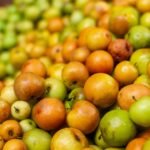
Knowing when to pick your fruit is an art. For fresh eating, harvest when the fruit turns from green to a yellowish-red mottled colour. If you prefer the dried “date” texture, allow the fruit to fully turn mahogany and wrinkle slightly on the tree. According to the Kew Royal Botanic Gardens, the fruit’s flavour intensifies significantly as it dries.
Conclusion
Investing time in Jujube tree care rewards you with a beautiful, low-maintenance tree and a harvest of nutrient-dense fruit. By focusing on full sun, proper sandy soil drainage, and minimal pest control, you can enjoy the “Chinese date” for decades. For more information on plant varieties, visit the Missouri Botanical Garden or consult the UC Davis Fruit and Nut Research Centre.
Frequently Asked Questions (FAQs)
How long does it take for a jujube tree to bear fruit?
Most grafted jujube trees will begin to produce fruit within 2 to 3 years of planting. If grown from seed, it may take 5 years or longer to see a significant harvest.
Do I need two trees for fruit production?
While many varieties like ‘Li’ are self-fertile, cross-pollination with another variety like ‘Lang’ almost always increases the fruit set and size. For more on the benefits of fruit diversity, see Medical News Today.
Can jujube trees grow in pots?
Yes, smaller cultivars can thrive in large containers if provided with excellent drainage and regular watering. However, their size and fruit production will be more limited compared to trees planted in the ground. You can find more advice on container gardening through WebMD or by searching PubMed for studies on urban agriculture.