Salmon is often hailed as a nutritional powerhouse, appearing on dinner plates from London to Sydney. While many of us recognise its vibrant pink hue and rich flavour, fewer people understand the complex science behind farmed salmon feed. As global demand for fish grows, the Food and Agriculture Organization (FAO) notes that aquaculture now provides over half of the world’s seafood.
Understanding what these fish consume is vital for anyone conscious of their health and the environment. Modern farmed salmon feed is a highly engineered blend of nutrients designed to mimic a natural diet while prioritising aquaculture sustainability. In this guide, we will explore the ingredients, the nutritional profile, and the environmental impact of what salmon eat today.
What Exactly Goes Into Farmed Salmon Feed?
In the early days of fish farming, the diet consisted almost entirely of fish meal and fish oil derived from wild-caught forage fish like anchovies and sardines. However, to protect marine ecosystems, the industry has shifted towards more sustainable sourcing methods.
Today, a typical pellet of farmed salmon feed is a sophisticated mixture of several components:
- Marine Ingredients: While reduced, processed fish remains a source of essential omega-3 fatty acids (EPA and DHA).
- Plant-Based Proteins: Ingredients like soybean meal, pea protein, and wheat gluten provide necessary calories and amino acids.
- Vegetable Oils: Rapeseed or sunflower oils are often used to supplement fats.
- Vitamins and Minerals: A balanced mix ensures the fish meet their specific dietary requirements for growth and immune health.
- Natural Pigments: These give the salmon its signature colour (more on this below).
According to research published in Nature, the inclusion of plant-based proteins has significantly lowered the “fish-in, fish-out” ratio, making modern farming much more efficient.
The Science of Colour: Astaxanthin and Carotenoids
One of the most common questions regarding farmed salmon feed is why the fish are pink. In the wild, salmon consume crustaceans like krill and shrimp, which contain natural pigments called carotenoids. Farmed salmon do not have access to these wild snacks, so farmers add astaxanthin to their feed.
Astaxanthin is a powerful antioxidant that is identical to the pigment found in the wild. It is essential for salmonid nutrition, aiding in healthy development and protecting cells from oxidative stress. Research on PubMed suggests that these antioxidants also offer health benefits to humans, such as supporting skin health and reducing inflammation.
Comparing Feed Composition and Impact
The industry measures success through the feed conversion ratio (FCR)—the amount of feed needed to produce one kilogram of fish. Salmon are remarkably efficient, often requiring much less feed than cattle or pigs. Below is a comparison of how farmed salmon feed has evolved to improve nutrient density and sustainability.
| Feature | Traditional Feed (1990s) | Modern Feed (2020s) |
|---|---|---|
| Marine Ingredients | 70% – 90% | 20% – 25% |
| Plant-Based Inputs | 10% – 20% | 70% – 75% |
| Omega-3 Source | Purely fish oil | Fish oil & Algal oil blends |
| Sustainability Rating | Moderate | High (ASC/MSC Certified) |
Nutritional Benefits for the Consumer
Despite the changes in farmed salmon feed, the end product remains one of the healthiest proteins available. The NHS recommends eating at least two portions of fish a week, including one oily fish, to support heart and brain health.
Farmed salmon are often slightly higher in total fat than wild salmon, which can actually lead to a higher overall intake of omega-3 fatty acids per serving. These fats are crucial for maintaining cardiovascular health, as highlighted by the Mayo Clinic.
Furthermore, the marine ingredients used in feed are strictly monitored for contaminants. Organisations like the European Food Safety Authority (EFSA) and the World Health Organization (WHO) set rigorous standards to ensure that farmed salmon feed is free from harmful levels of heavy metals or pollutants.
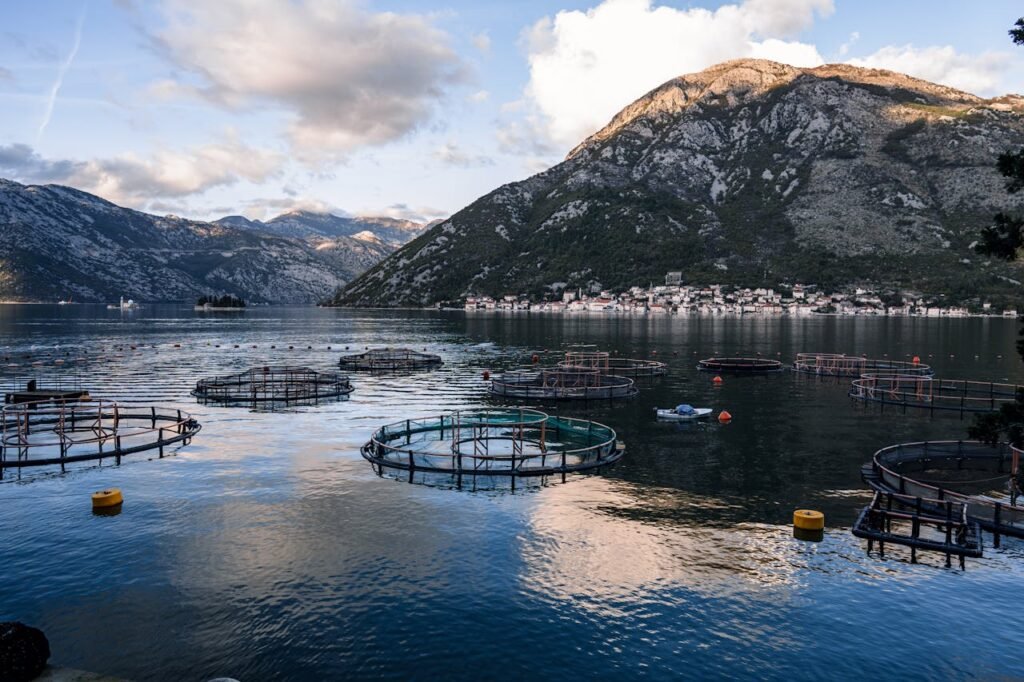
Sustainability and the Future of Feed
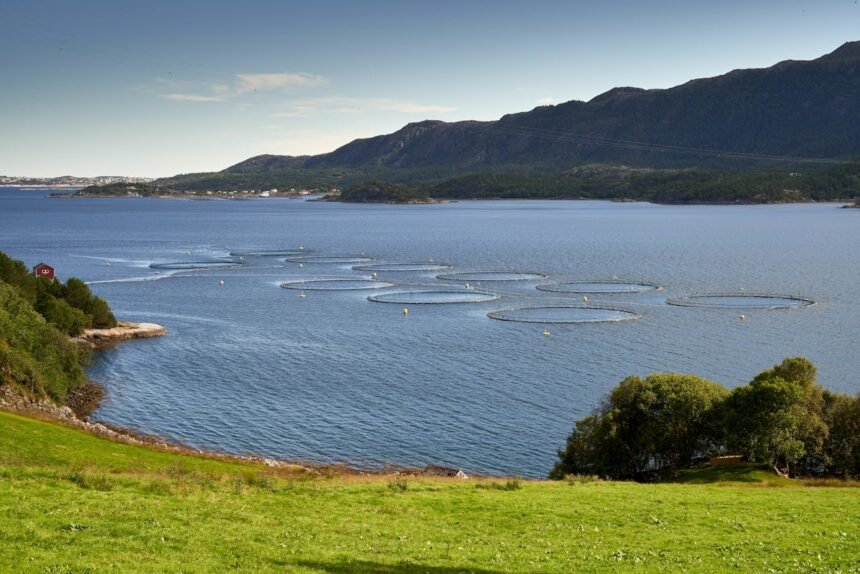
The quest for aquaculture sustainability is driving innovation in the industry. Environmental groups like the World Wildlife Fund (WWF) work with producers to reduce the reliance on wild-caught forage fish.
Some of the exciting developments in farmed salmon feed include:
- Algae Oil: Using microalgae to produce omega-3 fatty acids directly, bypassing the need for fish oil entirely.
- Insect Protein: Utilising black soldier fly larvae as a high-protein, low-impact alternative to soybean meal.
- Single-Cell Proteins: Using fermentation processes to create protein from CO2 or natural gas.
By focusing on sustainable sourcing, the industry aims to provide a reliable food source without depleting our oceans. Many retailers now look for the Aquaculture Stewardship Council (ASC) or Marine Stewardship Council (MSC) labels to guarantee responsible practices.
Is Farmed Salmon Safe to Eat?
Public discourse often focuses on the health of farmed fish. However, health experts at the American Heart Association emphasise that the benefits of consuming salmon far outweigh any potential risks. Modern farmed salmon feed is subject to intense scrutiny, ensuring the fish receive a balanced diet that translates into a nutrient density beneficial for human consumption.
For those interested in the environmental news surrounding this topic, The Guardian and the BBC frequently cover the latest breakthroughs in sustainable fish farming technologies.
Frequently Asked Questions (FAQs)
Does farmed salmon feed contain antibiotics?
The use of antibiotics in farmed salmon feed has declined by over 95% since the 1980s, thanks to the development of effective vaccines for fish. According to EUFIC, antibiotics are only used under strict veterinary supervision to treat specific illnesses, not for growth promotion.
Is the pigment in farmed salmon feed artificial?
While the astaxanthin used in feed can be synthetic, it is chemically identical to the natural pigment found in the wild. It is a vital nutrient for the fish’s immune system and provides the same antioxidant benefits to humans as wild salmon.
How does the feed affect the taste of the salmon?
The specific blend of marine ingredients and oils in farmed salmon feed gives farmed salmon its characteristic buttery texture and mild flavour. Because their diet is controlled and consistent, farmed salmon often has a more uniform taste and higher fat content than its wild counterparts.
What is the environmental impact of soybean meal in fish feed?
Producers are increasingly committed to sourcing soybean meal from regions that do not contribute to deforestation. Leading feed companies often collaborate with organisations like the Frontiers in Marine Science to study and minimize the carbon footprint of plant-based ingredients.
The Bottom Line
The world of farmed salmon feed is a testament to how science and sustainability can work together. By moving away from a total reliance on wild oceans and embracing plant-based proteins and innovative oils, the industry is ensuring that salmon remains a healthy, accessible, and environmentally conscious choice for years to come. For more information on seafood nutrition, visit ScienceDirect.