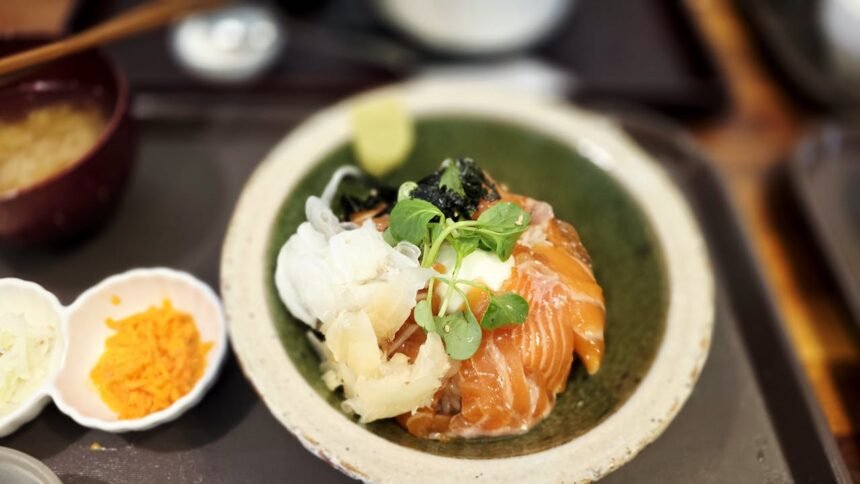
If you are an adventurous eater or a fan of Japanese cuisine, you may have encountered a creamy, custard-like dish known as shirako. While it might look unassuming, this Japanese delicacy is actually salmon milt—the seminal fluid or fish sperm of male salmon. Though the idea might be surprising to some Western palates, this substance is revered globally for its rich nutrient profile and unique culinary properties.
In recent years, salmon milt has moved beyond the sushi bar and into the realms of high-end skincare and advanced dietary supplements. From its high concentration of essential minerals to its role in modern DNA extraction, this “white roe” is proving to be a powerhouse of biological value. Let’s dive into the science, benefits, and culinary uses of this fascinating marine ingredient.
What Exactly is Salmon Milt?
Technically speaking, milt refers to the reproductive organs of male fish, such as salmon, cod, or pufferfish, which contain the sperm. It is the male equivalent of caviar or “hard roe.” In many cultures, particularly in East Asia and parts of Europe, milt is considered one of the most prized seafood delicacies due to its velvety texture and mild, oceanic flavour.
The Britannica definition of milt describes it as the seminal fluid of male fish, but for health enthusiasts, it is much more: a concentrated source of nucleic acids and proteins that are rare in other food groups. When harvested at the peak of the spawning season, salmon milt is remarkably fresh and packed with bioavailable nutrients.
The Impressive Milt Nutrition Profile
When we look at milt nutrition, it stands out for its high protein-to-fat ratio. Unlike fatty cuts of meat, milt provides lean protein along with specialised compounds like protamines—small, arginine-rich proteins that help pack DNA into the sperm head. According to research published in the Journal of Food Science, fish milt is also an excellent source of phosphorus and potassium.
Key Nutrients Found in Salmon Milt:
- Omega-3 Fatty Acids: Essential for heart and brain health, as noted by the Mayo Clinic.
- DNA and RNA: High concentrations of nucleic acids that support cellular repair.
- Zinc: Vital for immune function and testosterone production. Learn more about zinc from the National Institutes of Health (NIH).
- Vitamin B12: Crucial for nerve function and the formation of red blood cells, which the NHS highlights as a key benefit of eating fish.
Salmon Milt vs. Salmon Roe: A Comparison
While most people are familiar with the bright orange beads of salmon roe, salmon milt offers a different set of benefits. Here is how they compare:
| Feature | Salmon Milt (White Roe) | Salmon Roe (Red Roe) |
|---|---|---|
| Texture | Creamy, buttery, custard-like | Firm, “pop” on the tongue |
| Primary Nutrients | Protamines, DNA, Zinc | Vitamin A, Vitamin D, Omega-3s |
| Caloric Density | Lower | Higher (due to healthy fats) |
| Common Prep | Tempura, steamed, or raw | Cured in salt or soy sauce |
Health Benefits: Why You Should Care
Beyond the plate, salmon milt is gaining traction in the longevity community. The presence of protamines in fish milt has been studied for its potential to improve metabolic health and assist in the slow release of insulin, which is why it is sometimes utilised in medical formulations.
1. Supporting Cellular Repair
Because milt is essentially a concentrate of genetic material, it is one of the richest dietary sources of DNA. Some studies suggested in Nature indicate that dietary nucleic acids can support the body’s natural DNA extraction and repair processes, potentially slowing the effects of ageing.
2. Heart and Brain Health
Like most salmon products, milt contains omega-3 fatty acids. These healthy fats are well-documented by Healthline for their ability to reduce inflammation and support cognitive function. Integrating salmon milt into your diet helps maintain the healthy lipid levels necessary for a robust cardiovascular system.
3. Immune System Support
The high zinc and protein content makes milt a “functional food” for the immune system. The health benefits of fish often centre on their mineral content, and milt is no exception, providing the building blocks for white blood cells.
Salmon Sperm DNA in Beauty and Science
Perhaps the most surprising trend is the use of salmon sperm DNA in the cosmetic industry. Known as PDRN (Polydeoxyribonucleotide), this substance is used in high-end facials and serums for skin rejuvenation. Research in the Frontiers in Pharmacology shows that these DNA fragments can promote wound healing and reduce inflammation when applied topically.
Furthermore, the Marine Drugs Journal explores how bioactive peptides derived from salmon milt can be used to create sustainable ingredients for both medicine and nutrition, proving that this “waste product” of the fishing industry is actually a hidden gem.
How to Prepare and Eat Salmon Milt
If you are looking to try salmon milt at home, freshness is paramount. You can often find it at speciality seafood markets during the winter months. In Japanese cooking, shirako is often lightly poached and served with ponzu sauce, or deep-fried as tempura to create a crispy exterior that contrasts with the creamy centre.
- Sautéed: Quickly pan-fry in butter with a squeeze of lemon and fresh parsley.
- Steamed: Place in a custard-like savoury egg dish (Chawanmushi).
- Poached: Gently simmer in a dashi broth to preserve its delicate flavour.
For more inspiration on cooking sustainable fish parts, check out BBC Good Food’s guide to salmon. By utilising the whole fish, we contribute to a more sustainable food system, a goal supported by the Food and Agriculture Organisation (FAO).
A Sustainable Choice for the Future
As the global population grows, finding nutrient-dense, sustainable food sources is critical. The Lancet Planetary Health often discusses the need for diversified protein sources. Utilising salmon milt—which is often discarded during commercial processing—reduces waste and provides a high-quality protein source that doesn’t require additional farming resources.
Whether you consume it as a Japanese delicacy, take it in dietary supplements, or apply it to your skin for skin rejuvenation, salmon milt is an extraordinary example of nature’s efficiency. It bridges the gap between ancient culinary tradition and modern biotechnology.
Frequently Asked Questions (FAQs)
What does salmon milt taste like?
Salmon milt has a very mild, slightly sweet, and creamy taste. It is often compared to the flavour of fresh sea urchin (uni) or a very light savoury custard. It should never taste “fishy” if it is fresh.
Is salmon milt safe to eat?
Yes, salmon milt is perfectly safe to eat when sourced from clean waters and handled properly. It is a common staple in many cultures. However, like all raw or lightly cooked seafood, those with compromised immune systems or pregnant women should consult a healthcare provider before trying it.
Can I find salmon milt in supplement form?
Yes, you can find salmon milt extract in various dietary supplements, often marketed for DNA health, anti-ageing, or immune support. These supplements provide a concentrated dose of protamines and nucleic acids without the need to prepare the fresh organ yourself.
Is it environmentally friendly?
Absolutely. Consuming salmon milt is a form of “nose-to-tail” eating for the ocean. By eating parts of the fish that are typically overlooked, we maximise the nutritional yield of every catch and reduce environmental waste.