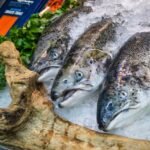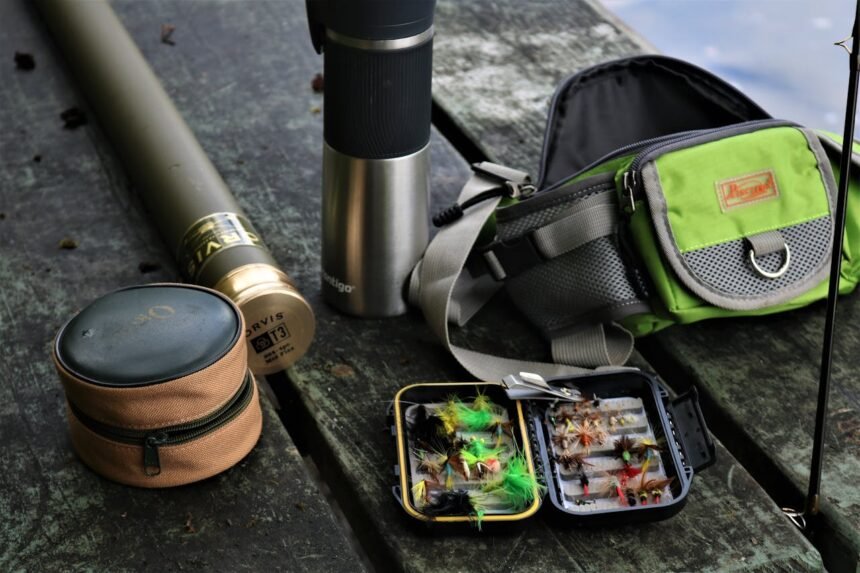
There is a unique thrill in the tug of a landlocked salmon. Often referred to as the Atlantic salmon of the lakes, these silver bullets are renowned for their high-jumping acrobatics and sheer power. Whether you are wading into a brisk stream or lake fishing from a boat, choosing the right landlocked salmon flies is the difference between a frustrating day on the water and the catch of a lifetime.
In this guide, we will explore the most effective patterns, the science behind their success, and the angling techniques required to master this specialised sport. At the heart of our approach is an understanding of the fish’s behaviour and its natural prey.
The Science of the Strike: Why Specific Flies Work
Landlocked salmon (Salmo salar sebago) are land-bound versions of their ocean-going cousins. Research published on Nature.com suggests that environmental stressors and diet play a significant role in how these fish hunt. In many freshwater systems, their primary food source is the rainbow smelt. Therefore, the most successful landlocked salmon flies are often smelt imitations designed to mimic the slender, shimmering profile of these baitfish.
However, salmon are also opportunistic. Depending on the season and water temperature, they may target insects or smaller forage. This versatility is why your fly box should be a curated collection of streamer patterns, wet flies, and even the occasional dry flies for when the hatch is on.
Understanding the Forage Base
To effectively utilise your gear, you must understand what the fish are looking for. According to the Maine Department of Inland Fisheries & Wildlife, the health of a salmon population is intrinsically linked to the abundance of smelt. When tying or buying flies, look for materials that provide “flash” and movement, simulating the translucent colour of a panicked baitfish.
Top Categories of Landlocked Salmon Flies
If you are new to fly fishing, the sheer variety of options can be overwhelming. Let’s break down the essential categories every angler needs.
| Fly Category | Best Use Case | Key Characteristics |
|---|---|---|
| Streamer Patterns | Early spring/Late autumn | Long profile, mimics baitfish, high movement. |
| Wet Flies | Fast-moving rivers | Fished under the surface, mimics emerging insects. |
| Dry Flies | Summer evenings | Floats on the surface, mimics adult insects. |
| Trolling Flies | Open water lakes | Often tied on long-shank hooks for durability. |
1. Feather-Wing Streamers
The classic “Carrie Stevens” style feather-wing streamers are perhaps the most iconic landlocked salmon flies. These flies, such as the Grey Ghost, are designed to be retrieved with a pulsing motion. This movement mimics the erratic swimming of a smelt. Organizations like the American Museum of Fly Fishing celebrate these patterns as both art and functional tools.
2. Bucktail Streamers
While feathers provide elegance, bucktail streamers offer durability. Flies like the Mickey Finn utilise the natural buoyancy and stiffness of deer hair to maintain their shape in heavy river currents. They are excellent for “searching” new water when you aren’t quite sure where the fish are holding.
3. Modern Synthetic Patterns
Modern materials have revolutionised fly design. Many contemporary landlocked salmon flies incorporate Krystal Flash and UV-reflective dubbing. These materials are particularly effective in deep, tea-coloured lake water where visibility is limited. Leading manufacturers like Scientific Anglers provide specialised lines to help these flies reach the strike zone.
Essential Gear and Angling Techniques
Having the right fly is only half the battle. You also need the right fly rod and setup to deliver it effectively. For most landlocked salmon scenarios, a 9-foot, 6-weight rod is the “gold standard.” It provides enough backbone to fight a leaping fish while remaining delicate enough for precise presentations.
- Tippet Size: Landlocked salmon have keen eyesight. Using a fluorocarbon tippet size of 3X or 4X can help hide your connection to the fly in clear water.
- The Strip: When fishing streamers, vary your retrieve. Sometimes a fast, aggressive strip triggers a predatory response, while other times a slow, “injured” drift is required.
- Hooking a Salmon: Unlike trout, which often sip, a salmon strike can be violent. According to Fly Fisherman Magazine, it is vital to “strip set” rather than lifting the rod tip immediately to ensure the hook penetrates the hard jaw.
For more on the conservation of these incredible species, consider visiting the Atlantic Salmon Federation or Trout Unlimited to see how habitat restoration is helping wild populations thrive.
Seasonal Strategies for Success
The effectiveness of your landlocked salmon flies changes with the calendar. As noted in Outdoor Life, “Salmon are creatures of temperature.”
Spring: The Smelt Run
In the early season, salmon follow smelt into the mouths of rivers. This is the time for large, flashy streamer patterns. Focus on white, silver, and blue colour palettes. This is often the best time for hooking a salmon near the surface.
Summer: The Deep Retreat
As the water warms, salmon head for the depths. This is when trolling flies behind a sinking line becomes essential. Look for “thermoclines”—layers of water where the temperature drops rapidly. Expert advice from Orvis suggests focusing on areas with structure or underwater springs.
Autumn: The Spawning Run
When the leaves turn, salmon move back into the rivers to spawn. During this time, they become more territorial and aggressive. Brighter, “attractor” flies in orange and red can be highly effective. It is crucial to practice catch-and-release during this sensitive time to ensure future generations of fish, a practice championed by brands like Patagonia.
Expert Tips for Using Landlocked Salmon Flies
- Check Your Hooks: Landlocked salmon have very hard mouths. Always carry a hook hone and ensure your landlocked salmon flies are razor-sharp.
- Match the Hatch: If you see insects on the water, don’t be afraid to switch to dry flies. A size 14 Elk Hair Caddis can often fool a salmon that has grown bored of streamers.
- Observe the Water: Spend five minutes watching the surface before you cast. Looking for “risers” or schools of baitfish will save you hours of “blind” casting.
- Vary Your Depth: If you aren’t getting hits, change your sink tip or add a small split shot. Salmon often hold just a foot or two deeper than you think.
For more detailed gear reviews, check out resources like Field & Stream or MidCurrent, which offer deep dives into the latest fly reels and rods.
Conclusion: The Joy of the Chase
Mastering the use of landlocked salmon flies is a lifelong journey. It requires patience, observation, and a willingness to adapt. Whether you are following the advice of National Geographic regarding their migratory patterns or listening to local lore at a fly shop, the goal remains the same: to connect with one of nature’s most magnificent predators. By selecting the right patterns and angling techniques, you are well on your way to an unforgettable experience on the water.
For regional updates and licensing, always consult your local authorities, such as New Hampshire Fish and Game or the Anglers Journal for the latest news on seasonal runs.
Frequently Asked Questions (FAQs)
What are the best colours for landlocked salmon flies?
Generally, white, silver, and blue are the best colours to mimic smelt. However, in murky water or during the autumn spawning run, brighter colours like orange, red, and chartreuse can trigger aggressive strikes from territorial fish.
Can I use regular trout flies for landlocked salmon?
Yes, you can. While specialized streamers are popular, landlocked salmon will frequently take standard trout patterns like the Woolly Bugger, Pheasant Tail Nymphs, or even Adams dry flies, especially when they are feeding on opportunistic insect hatches.
What weight fly rod should I use for landlocked salmon?
A 6-weight or 7-weight fly rod is ideal. These fish are powerful fighters and often jump multiple times. A rod with a bit of “backbone” helps you control the fish and prevents it from running into submerged timber or rocks.
Do I need a sinking line for landlocked salmon?
It depends on the season. In the spring and autumn, salmon are often near the surface, and a floating line is sufficient. In the heat of the summer, a sinking line or a sink-tip is often necessary to reach the cooler, deeper water where the fish reside.