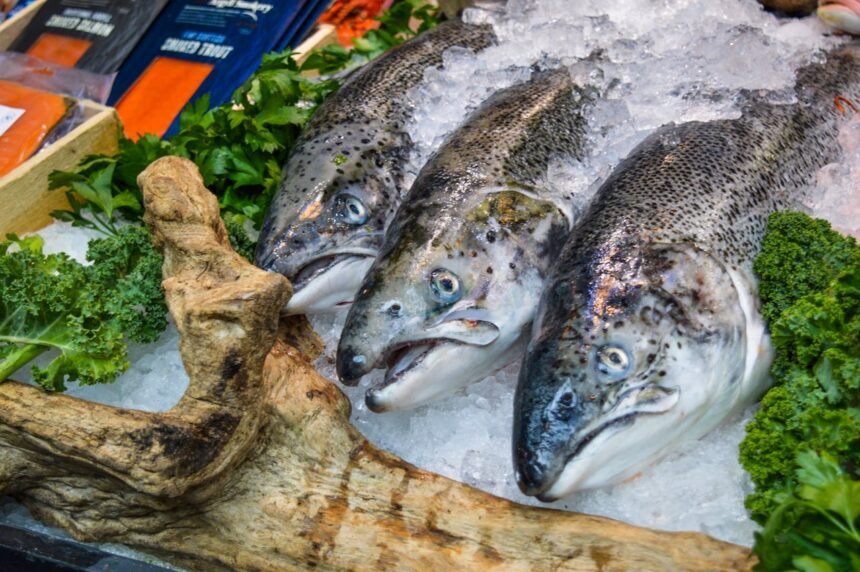
Whether you are searing it in a pan, poaching it for a salad, or enjoying it as sashimi, Atlantic salmon is one of the most popular fish choices globally. But beyond its buttery texture and rich flavour, the true value of atlantic salmon nutrition lies in its extraordinary profile of vitamins, minerals, and healthy fats.
Often referred to as a “superfood,” Atlantic salmon provides a dense concentration of nutrients that support everything from your heart to your brain. In this guide, we will dive deep into the nutritional facts, health benefits, and why you should consider making this fatty fish a staple in your weekly meal rotation.
The Nutritional Profile of Atlantic Salmon
Atlantic salmon is power-packed with high-quality protein and essential amino acids. Unlike many other protein sources, it offers a unique combination of heart-healthy fats that are difficult to find in such high concentrations elsewhere. Let’s look at what a typical 100-gram serving of cooked Atlantic salmon provides.
Key Nutrients per 100g (Cooked)
According to global food standards, Atlantic salmon is consistently ranked as a nutrient-dense food. Here is a breakdown of its primary components:
- Calories: Approximately 200–208 kcal
- Protein: 22–25 grams
- Total Fat: 13 grams (including saturated, monounsaturated, and polyunsaturated)
- Omega-3 Fatty Acids: 2,200 mg to 2,500 mg
- Vitamin B12: Over 100% of the daily recommended intake
- Selenium: 75% of the daily recommended intake
Why Atlantic Salmon Nutrition Matters: The Big Benefits
The specific combination of nutrients found in this fish contributes to several physiological advantages. From reducing inflammation to supporting cardiovascular health, the impact is significant.
1. Rich in Omega-3 Fatty Acids
Unlike most fats that the body can create, omega-3 fatty acids are “essential,” meaning you must get them from your diet. Atlantic salmon is one of the best sources of long-chain EPA and DHA. These fats are renowned for their anti-inflammatory properties, which help protect the lining of your arteries and reduce the risk of chronic disease.
2. High-Quality Protein for Muscle Repair
If you are looking to build or maintain lean muscle mass, salmon is an excellent choice. It provides all the necessary building blocks for tissue repair. Unlike red meat, it provides these proteins without high levels of pro-inflammatory saturated fats.
3. A Powerhouse of B Vitamins
Atlantic salmon is loaded with B vitamins, including B1, B2, B3, B5, B6, B9 (folate), and B12. These vitamins work together to turn food into energy, repair DNA, and maintain optimal brain function. Research from Harvard Health suggests that B vitamins are crucial for maintaining a healthy nervous system.
4. Essential Minerals: Selenium and Potassium
Salmon is surprisingly high in potassium—often containing more than a banana. This helps manage blood pressure. Furthermore, it is a key source of selenium. Avoiding a selenium deficiency is vital for protecting bone health and thyroid function, as noted by the European Food Safety Authority.
Comparing Wild-Caught vs Farmed Atlantic Salmon
A common question when discussing atlantic salmon nutrition is whether to choose wild-caught vs farmed varieties. While both are incredibly nutritious, there are subtle differences in their fat content and mineral profiles.
| Nutrient (per 100g) | Farmed Atlantic Salmon | Wild Atlantic Salmon |
|---|---|---|
| Total Calories | 208 kcal | 182 kcal |
| Protein | 20g | 25g |
| Total Fat | 13g | 8g |
| Omega-3 Content | Higher (due to fortified feed) | Moderate but balanced |
| Astaxanthin | Synthetic/Added | Natural/High |
While farmed salmon often contains more total fat (and thus more Omega-3s), wild salmon typically has a higher mineral content and fewer calories. Both are considered sustainable seafood options if sourced from reputable, certified organisations.
Salmon and Disease Prevention
Integrating fatty fish benefits into your lifestyle can have a preventative effect on several modern health issues.
Heart Health
Regularly consuming salmon can help lower triglycerides and improve “good” HDL cholesterol levels. The American Heart Association recommends eating two servings of fish per week to significantly lower the risk of stroke and heart attack.
Cognitive Function
DHA is a primary structural component of the human brain. Diets high in salmon have been linked to a slower rate of cognitive decline in older adults and improved mood regulation. You can find more on this in the NIH Omega-3 Fact Sheet.
Weight Management
Because salmon is so high in protein, it helps regulate the hormones that control appetite. This makes you feel full for longer, supporting a healthy diet and weight loss goals.
How to Maximise the Nutrition of Your Salmon
How you prepare your fish can change its chemical structure. To keep atlantic salmon nutrition at its peak, follow these tips:
- Avoid deep-frying: High heat and seed oils can degrade the delicate omega-3s.
- Keep the skin on: The skin contains the highest concentration of antioxidants and fats.
- Steam or Poach: These methods preserve the moisture and delicate vitamins.
- Pair with Vitamin C: Squeezing lemon over your fish helps you absorb more of its minerals.
Recent studies in Nature have highlighted that the antioxidant astaxanthin (which gives salmon its pink colour) is better absorbed when consumed with the fish’s natural fats. This antioxidant helps protect the skin from UV damage and supports eye health.
Concerns: Mercury and Sustainability
Many people worry about mercury levels in fish. Fortunately, Atlantic salmon is generally low in mercury compared to larger predators like swordfish or tuna. According to the UK Food Standards Agency, it is safe for most people to consume regularly, though pregnant women should follow specific dietary guidelines.
Environmental impact is also a factor. Always look for certifications like the ASC (Aquaculture Stewardship Council) or MSC (Marine Stewardship Council) to ensure you are buying environmentally responsible fish.
The Bottom Line
Atlantic salmon is more than just a tasty dinner option; it is a nutritional powerhouse. By providing a rich source of Omega-3s, high-quality protein, and a suite of essential vitamins and minerals, it supports everything from metabolic health to mental clarity. Whether you choose wild or farmed, adding this fish to your diet is a simple way to boost your overall well-being.
Frequently Asked Questions (FAQs)
Is it okay to eat Atlantic salmon every day?
For most people, eating salmon several times a week is perfectly healthy. However, the NHS and Diabetes UK generally recommend two portions of fish per week, one of which should be oily, to balance nutrient intake and variety.
Does Atlantic salmon have Vitamin D?
Yes! Salmon is one of the few natural food sources of Vitamin D. A single serving can provide a significant portion of your daily requirement, which is essential for bone health and immune function. You can learn more about its role in this medical study.
Is Atlantic salmon always farmed?
Most Atlantic salmon sold in supermarkets today is farmed. While wild Atlantic salmon exists, it is rare in commercial markets due to conservation efforts. If you are specifically looking for wild fish, you might often find Pacific varieties like Sockeye or King salmon.