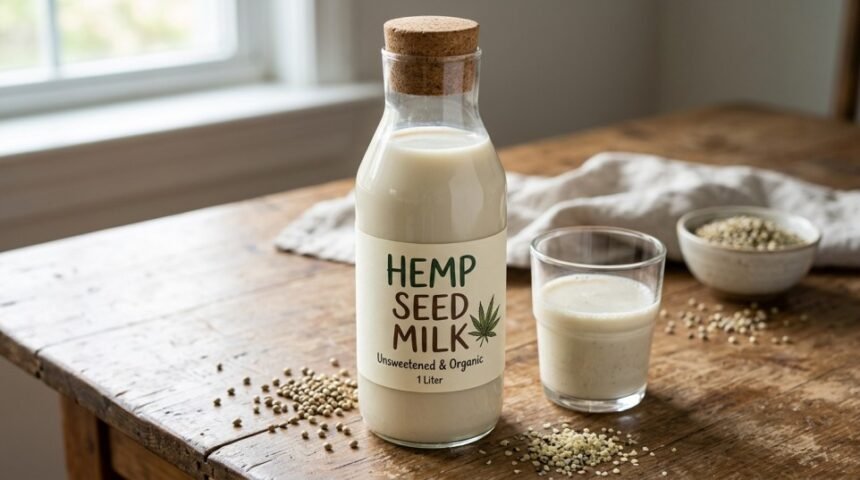
In the rapidly expanding world of plant-based milk, one contender is quietly rising to the top of the list for health enthusiasts and eco-conscious consumers alike. If you are looking for a creamy, nutrient-dense dairy alternative that aligns with your wellness goals, it is time to talk about hemp seed milk.
Derived from the seeds of the Cannabis sativa plant, this milk contains none of the psychoactive properties of THC but offers a wealth of nutritional benefits. It is naturally lactose-free, soy-free, and nut-free, making it an excellent choice for those with multiple food sensitivities. In this guide, we will explore why this eco-friendly beverage is becoming a staple in modern kitchens.
The Nutritional Profile of Hemp Seed Milk
Unlike many other grain or nut milks that are mostly water, hemp seed milk packs a significant nutritional punch. It is one of the few plant sources that provides a complete protein, containing all nine essential amino acids that the human body cannot produce on its own. This is vital for muscle repair and general health maintenance.
A typical glass of unsweetened hemp seed milk provides:
- Healthy Fats: A rich source of omega-3 fatty acids and omega-6 fatty acids in the ideal 3:1 ratio.
- Minerals: Significant amounts of magnesium, phosphorus, and iron.
- Vitamins: Naturally occurring vitamin E, which acts as a powerful antioxidant.
- Dietary Fibre: Small amounts of dietary fibre that support digestion.
Comparison Table: Hemp Milk vs. Other Popular Milks
When choosing a milk, it helps to see how they stack up. Here is a comparison based on a standard 240ml serving:
| Nutrient (per 240ml) | Hemp Seed Milk (Unsweetened) | Whole Dairy Milk | Almond Milk (Unsweetened) |
|---|---|---|---|
| Calories | 60-80 | 150 | 30-40 |
| Protein (g) | 3-4 | 8 | 1 |
| Total Fat (g) | 6-8 | 8 | 2.5-3 |
| Omega-3s | High | Low | Low |
Top 4 Health Benefits of Hemp Seed Milk
1. Supports Heart Health
The high concentration of alpha-linolenic acid (an omega-3) in hemp seed milk contributes to heart health by helping to maintain healthy cholesterol levels. Research published by the American Heart Association suggests that polyunsaturated fats can reduce the risk of cardiovascular disease. Furthermore, hemp contains arginine, an amino acid that produces nitric oxide, which helps relax blood vessels and lower blood pressure.
2. Promotes Glowing Skin
Because it is rich in vitamin E and essential fatty acids, drinking hemp seed milk may improve skin health from the inside out. These nutrients help manage inflammation, which is a common trigger for conditions like eczema and acne. The American Academy of Dermatology notes that certain dietary changes can support skin barrier function, and hemp’s omega profile is perfectly suited for this.
3. Brain Function and Mood
The brain is composed of nearly 60% fat. Consuming the omega-3 fatty acids found in hemp seeds supports cognitive function and may help reduce symptoms of anxiety. According to Harvard Health Publishing, these fats are crucial for maintaining the integrity of brain cell membranes.
4. Bone Health
Most commercial brands are calcium-fortified, providing up to 30% of your daily requirement in one serving. When combined with the natural phosphorus and magnesium found in the seeds, it becomes a powerful tool for maintaining bone density and preventing osteoporosis, as highlighted by the NHS.
Environmental Impact: A Sustainable Choice
One of the strongest arguments for switching to hemp seed milk is its contribution to sustainable farming. Unlike almonds, which require vast amounts of water, or soy, which is often linked to deforestation, hemp is a hardy crop. It requires very little water, no pesticides, and actually breathes in four times more CO2 than typical trees. This makes it a truly eco-friendly choice for the environmentally conscious consumer. You can read more about hemp’s sustainability on Nature.com.
How to Make Homemade Hemp Milk
While store-bought versions are convenient, homemade hemp milk is incredibly easy to prepare and allows you to avoid added thickeners or preservatives. It has a delightful nutty flavour that works well in coffee, cereal, or smoothies.
- Gather Ingredients: You will need 100g of hulled hemp seeds (hemp hearts) and 750ml of filtered water.
- Blend: Place the seeds and water in a high-speed blender. You can add a pinch of sea salt, a date for sweetness, or a dash of vanilla extract.
- Mix: Blend on high for about 60 seconds until the mixture is creamy and white.
- Strain (Optional): Unlike almond milk, you don’t strictly need to strain hemp milk because the seeds blend so well. However, if you prefer a thinner consistency, run it through a nut milk bag.
- Store: Keep it in a glass jar in the fridge for up to 5 days. Shake well before use!
For more inspiration on plant-based cooking, check out the resources at BBC Good Food.
Potential Downsides to Consider
While hemp seed milk is generally safe, there are a few things to keep in mind. Some commercial varieties may contain added sugars or carrageenan, a thickener that some people find irritating to the digestive tract. Always read the label to ensure you are getting the cleanest product possible. Additionally, those on blood-thinning medications should consult their doctor, as the high omega-3 content can have a mild thinning effect, as discussed on WebMD.
Frequently Asked Questions (FAQs)
Does hemp seed milk contain THC or CBD?
No. Hemp seed milk is made from the seeds of the plant, which do not naturally contain THC (the psychoactive compound) or significant levels of CBD. It is perfectly safe for children, pregnant women, and professionals who undergo drug testing. The World Health Organization provides extensive data on the safety of non-psychoactive cannabis derivatives.
Is hemp milk better for you than almond milk?
Nutritionally, hemp milk generally offers more protein and healthier fats than almond milk. While almond milk is lower in calories, hemp milk provides a complete protein profile and essential minerals like magnesium. From an environmental perspective, hemp is also considered superior due to lower water usage. Detailed comparisons of plant milks can be found through the Vegan Society.
Can I use hemp milk in hot drinks?
Yes! Hemp seed milk is quite stable and does not curdle as easily as soy or almond milk when added to hot coffee or tea. Its nutty flavour complements bitter notes in coffee exceptionally well. For those managing inflammatory conditions like arthritis, the omega-3 fatty acids in your morning coffee might even offer a slight anti-inflammatory boost, according to the Arthritis Foundation.
Is it safe for people with nut allergies?
Absolutely. Hemp seeds are not nuts; they are technical “achenes” (small dry fruits). This makes hemp seed milk a vital dairy alternative for individuals with tree nut or peanut allergies. For more on managing allergies, visit Allergy UK.
Where can I find hemp milk?
Most major supermarkets and health food stores now stock hemp seed milk. Look for it in the long-life milk aisle or the chilled dairy-free section. You can also research brands that prioritise sustainable farming practices through organisations like the Environmental Working Group.
For further reading on the clinical benefits of hemp nutrients, you can explore peer-reviewed studies on PubMed or ScienceDirect.
Final Thoughts: Hemp seed milk is a nutritional powerhouse that supports your body and the planet. Whether you buy it or make homemade hemp milk, it is a versatile, delicious addition to a balanced diet.