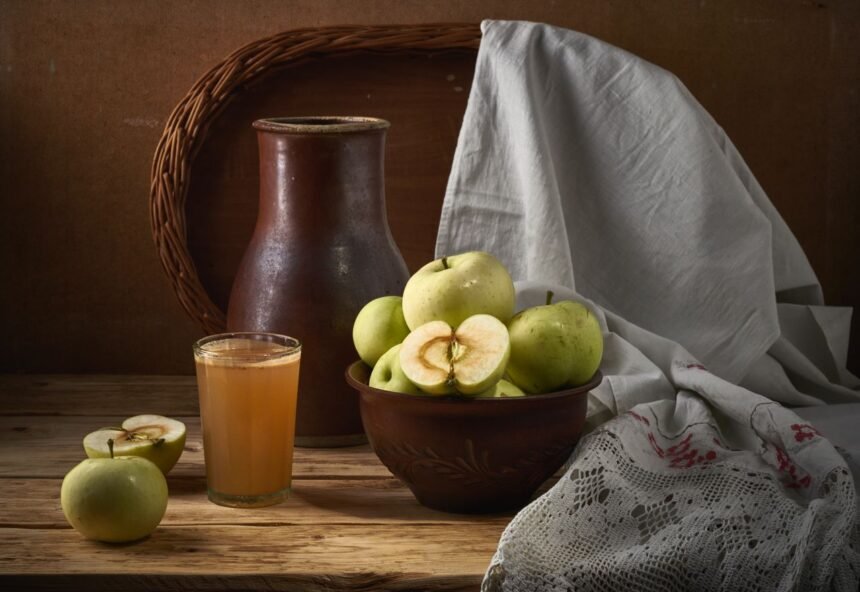
When the weather starts to cool or you simply need a crisp, palate-cleansing drink, few things hit the spot quite like green apple cider. Unlike its sweeter, red-hued counterparts, this tart alternative offers a zesty profile that appeals to those who prefer a bit of “zing” in their glass. Whether you are looking for refreshing beverages to serve at a garden party or seeking the potential health perks of fermented fruit, this guide covers everything you need to know.
From the specific Granny Smith apples often used in production to the intricate fermentation process, we’ll explore why this drink is becoming a staple in many households and sustainable orchards across the UK.
What Exactly is Green Apple Cider?
The term can refer to two distinct products: a fresh, cloudy juice or a fermented alcoholic beverage. In most contexts, especially within artisanal cider circles, it refers to a drink made predominantly from green-skinned cultivars. These apples are known for their high acidity and lower sugar levels compared to Fuji or Gala varieties.
Because of the lower sugar content, the resulting liquid is often described as “crisp” or “dry.” Some producers also create a non-alcoholic cider version that retains the intense tartness without the alcohol by volume (ABV), making it a family-friendly option that still feels sophisticated.
Nutritional Profile and Health Benefits
Is your glass of cider doing more than just quenching your thirst? While it shouldn’t replace whole fruit, green apple cider contains several key nutrients. Because it is derived from the whole fruit, it often retains polyphenols—plant compounds that act as antioxidants.
According to the British Nutrition Foundation, maintaining a diet rich in plant-based antioxidants is vital for long-term health. Here are some specific benefits associated with the ingredients:
- Vitamin C Content: Green apples are a reputable source of ascorbic acid, which supports the immune system. According to WebMD, vitamin C content is crucial for tissue repair and collagen production.
- Gut Health: If the cider is “raw” or unfiltered, it may contain probiotic benefits. Research published in Nature suggests that fermented foods can positively influence the diversity of the gut health microbiome.
- Dietary Fibre: While juicing removes much of the pulp, cloudy ciders still contain small amounts of dietary fibre, specifically pectin, which can assist in digestion. The Mayo Clinic highlights pectin as a beneficial soluble fibre.
- Antioxidant Properties: The high concentration of flavonoids in green skins helps combat oxidative stress. Studies found on PubMed suggest these antioxidant properties may reduce inflammation.
Comparison: Green Apple vs. Red Apple Cider
To help you decide which variety suits your dietary goals, consider the following data:
| Feature | Green Apple Cider | Red Apple Cider |
|---|---|---|
| Primary Flavour | Tart, zesty, acidic | Sweet, mellow, floral |
| Sugar Level | Lower | Higher |
| Common Varieties | Granny Smith, Bramley | Gala, Fuji, Red Delicious |
| Best For | Refreshing, food pairing | Dessert, warming mulls |
How It’s Made: The Fermentation Process
Creating a high-quality green apple cider involves more than just crushing fruit. For the alcoholic version, brewers utilise natural fermentation. Yeast consumes the sugars in the juice, converting them into ethanol and carbon dioxide.
According to experts at ScienceDaily, the temperature and duration of this process significantly affect the final flavour profile. Artisanal producers often allow a slower fermentation at cooler temperatures to preserve the delicate aromas of the green apples.
- Harvesting: Picking apples at the peak of acidity.
- Milling: Grinding the fruit into a pulp called “pommace.”
- Pressing: Extracting the raw juice while discarding the solids.
- Fermentation: Adding yeast or allowing wild yeast to start the conversion.
- Maturation: Letting the cider sit to develop complexity.
Is Green Apple Cider the Same as Cider Vinegar?
It is easy to confuse these terms, but they serve different purposes. Cider vinegar (often called ACV) is the result of a double fermentation where the alcohol is converted into acetic acid. While green apple cider is a beverage, the vinegar is a condiment. Both share similar origins, but you wouldn’t want to drink a pint of vinegar! For more on the safety of acidic foods, the Food Standards Agency provides excellent guidelines.
Potential Drawbacks and Considerations
While delicious, there are a few things to keep in mind. The acidity in green apples can be tough on tooth enamel. The British Dental Association recommends drinking acidic beverages through a straw or with meals to minimise contact with teeth.
Furthermore, individuals with diabetes should monitor their intake. Even though green apples have a lower sugar content, the concentrated liquid can still impact blood glucose levels. Diabetes UK suggests checking labels for “added sugars” in commercial brands.
If you are consuming an alcoholic version, always follow the NHS guidelines for moderate alcohol consumption to ensure you stay within healthy limits.
Choosing the Best Green Apple Cider
When shopping, look for “cloudy” or “unfiltered” options. These typically contain more of the original fruit’s nutrients. If you’re interested in DIY recipes, BBC Good Food offers numerous ways to incorporate cider into your cooking or even how to press your own juice at home.
Look for labels that mention sustainable orchards, as these often prioritise soil health and biodiversity, which can result in a more nutrient-dense fruit. The Academy of Nutrition and Dietetics notes that the quality of the soil can influence the mineral content of the produce.
Check for a high polyphenol count if the information is available, as these are the “superstar” compounds researchers at Harvard Health frequently link to improved cardiovascular outcomes.
Frequently Asked Questions (FAQs)
Is green apple cider alcoholic?
It can be both. In the UK, “cider” usually refers to an alcoholic drink made from fermented apple juice. However, you can also find non-alcoholic cider, which is essentially a fresh, tart apple juice that hasn’t been fermented into alcohol.
Can I use green apple cider for weight loss?
While green apple cider is lower in calories than many fizzy drinks, it is not a weight-loss miracle. It is better to use it as a replacement for high-sugar sodas. For specific weight management advice, consult the National Institutes of Health (NIH).
Is it better for you than red apple cider?
Nutritionally, they are similar, but green apple cider often has slightly less sugar and more malic acid, which gives it that tart flavour. If you are watching your sugar intake, the green variety is typically the better choice.
Does it contain probiotics?
Only if it is “raw,” “unpasteurised,” and “unfiltered.” Most mass-produced ciders are pasteurised to kill bacteria, which also kills the beneficial probiotics. Always check the label for “live cultures.” More information on probiotics can be found via Medical News Today.
The Bottom Line
Green apple cider is a versatile, refreshing beverage that offers a unique tangy profile compared to standard apple juices. Whether you enjoy it for its probiotic benefits, its high vitamin C content, or simply its crisp taste, it remains a fantastic choice for those looking to diversify their drink repertoire. Just remember to enjoy it in moderation and keep an eye on those acidity levels for the sake of your pearly whites!