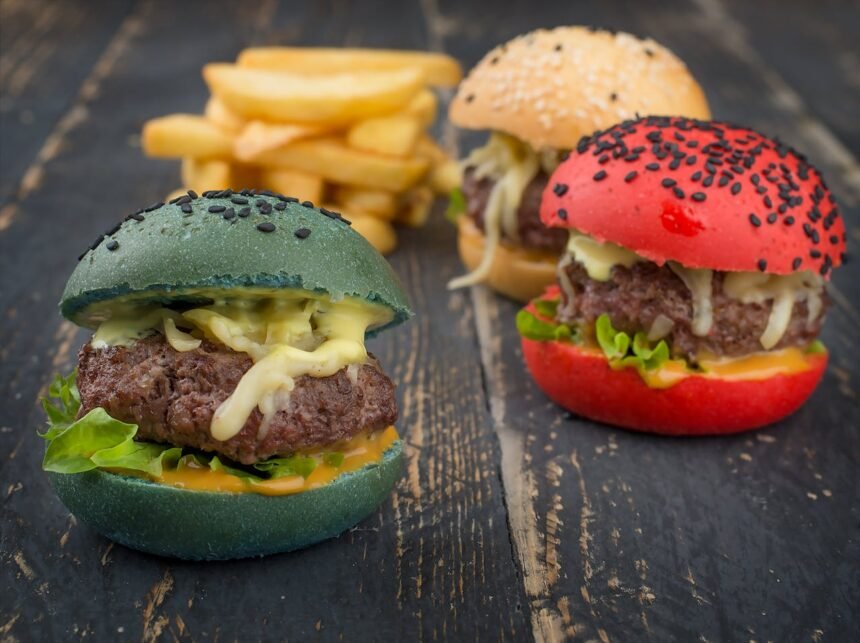
Whether you are hosting a summer barbecue or crafting a gourmet dinner at home, the burger bun is the unsung hero of your meal. It is the structural foundation that holds your ingredients together, but its impact goes far beyond just utility. The right choice can elevate your dining experience, while the wrong one can lead to a soggy, falling-apart mess.
In this guide, we explore everything you need to know about the humble burger bun, from the classic brioche to gluten-free alternatives, and how your choice affects your overall nutritional value.
Why the Right Burger Bun Matters
Think of the bun as the frame of a painting. It provides support, texture, and flavour. A high-quality bun should be sturdy enough to withstand juices from the patty and condiments, yet soft enough to provide a pleasant “mouthfeel.” When choosing a bun at an artisan bakery or your local supermarket, you are balancing carbohydrate content, flavour profiles, and dietary requirements.
For those monitoring their health, it is important to consider the bread flour used. Traditional white buns are often highly processed, whereas wholemeal options offer more dietary fibre, which is essential for digestive health.
Popular Types of Burger Buns
Not all buns are created equal. Depending on your choice of protein—be it beef, chicken, or a plant-based alternative—certain buns will perform better than others.
- Brioche: This French-inspired bread is enriched with butter and eggs, giving it a rich, slightly sweet flavour and a beautiful golden colour.
- Sesame Seed Buns: The classic fast-food staple. The sesame seeds add a subtle nuttiness and a bit of texture.
- Sourdough: Utilising a long fermentation process, sourdough buns offer a tangy flavour and are often easier on the gut. Research in Nature suggests fermented breads may have different glycemic responses.
- Wholemeal: A heartier option that retains the bran and germ of the wheat, boosting the nutritional value.
- Potato Buns: These use potato flour or mashed potatoes to create an incredibly soft, pillowy texture that absorbs juices well.
Comparing Burger Bun Varieties
To help you decide, we have compared the most common types based on their typical nutritional profiles and characteristics.
| Bun Type | Texture | Best For | Key Benefit |
|---|---|---|---|
| Brioche | Soft & Rich | Gourmet Beef Burgers | High Flavour Profile |
| Wholemeal | Dense & Chewy | Health-conscious meals | Higher Fibre Content |
| Gluten-Free | Firm | Coeliac Disease/Intolerance | Allergy Friendly |
| Sourdough | Crusty & Airy | Artisan Fillings | Easier Digestion |
Health and Dietary Considerations
When selecting a burger bun, your personal health goals play a major role. For those with gluten sensitivities, vegan options and gluten-free buns have improved significantly in quality over the last decade.
According to the Mayo Clinic, choosing whole grains over refined grains can help lower the risk of chronic diseases. If you are managing your blood sugar levels, consider the glycaemic index of the bread. A burger bun made with wholemeal flour typically has a lower GI than a white brioche bun.
The Role of Sodium and Sugar
Many commercially produced buns contain added sugars to assist with the browning process and shelf life. The World Health Organization recommends limiting salt intake, yet bread is a major source of sodium in the Western diet. Always check the labels for hidden additives.
Pro Tips for the Perfect Burger Bun Experience
To truly utilise your bun to its full potential, follow these expert tips:
- Always Toast Your Bun: Whether you prefer it toasted under a grill or in a pan with butter, toasting creates a moisture barrier. This prevents the bread from becoming soggy.
- Size Matters: Ensure the bun diameter matches your patty. A bun that is too large leads to a mouthful of bread, while a bun that is too small results in a messy meal.
- The Bottom Bun Rule: Place your lettuce on the bottom burger bun to act as a shield against the meat juices.
- Storage: To extend the shelf life, keep buns in a cool, dry place. If you aren’t using them within two days, freezing is your best option to maintain freshness.
The Rise of Vegan and Plant-Based Buns
With the surge in popularity of plant-based diets, finding vegan options is easier than ever. Traditional brioche contains dairy, but many bakeries now use coconut oil or plant-based margarines to achieve that signature softness. Organisations like The Vegan Society provide resources for identifying animal-free ingredients in bread products.
Sustainable and Artisan Choices
In the UK, the Real Bread Campaign encourages consumers to buy bread made without chemical leaveners or additives. Choosing a burger bun from an artisan bakery often means you are getting a product with fewer preservatives and more traditional fermentation techniques, which can improve both flavour and nutrient absorption as noted in PubMed research on grain bioavailability.
Frequently Asked Questions (FAQs)
Is a brioche burger bun healthier than a white bun?
Not necessarily. While brioche tastes luxurious, it often contains higher amounts of saturated fat and sugar due to the inclusion of butter and eggs. If you are looking for the healthiest option, a wholemeal or sprouted grain bun is usually the better choice for nutritional value. You can find more information on fats via the British Dietetic Association.
Can I make a burger bun gluten-free?
Yes. Many brands now use blends of rice flour, potato starch, and tapioca to create gluten-free versions. These buns tend to be more crumbly, so they benefit significantly from being toasted to provide extra structural integrity.
How do I stop my bun from falling apart?
The key is structural integrity and heat management. Toasting the burger bun creates a “crust” that repels moisture. Additionally, avoid over-saturating the bun with heavy sauces directly against the bread; use a layer of cheese or lettuce as a barrier.
What is the average shelf life of a burger bun?
Store-bought buns usually last 5 to 7 days due to preservatives. Freshly baked buns from an artisan bakery should be consumed within 1 to 2 days. For long-term storage, follow guidelines from the ScienceDirect archives on bread staling to understand how starch retrogradation affects your bun.
Final Thoughts
The perfect burger bun is a matter of personal preference, but understanding the science and nutrition behind it can help you make an informed choice. From the topping of sesame seeds to the type of bread flour used, every detail contributes to the final bite. By considering dietary requirements and opting for high-quality ingredients, you can turn a simple sandwich into a balanced and delicious meal.
For more tips on healthy eating and food safety, visit the Healthline homepage or consult the Food Standards Agency for UK-specific guidelines.