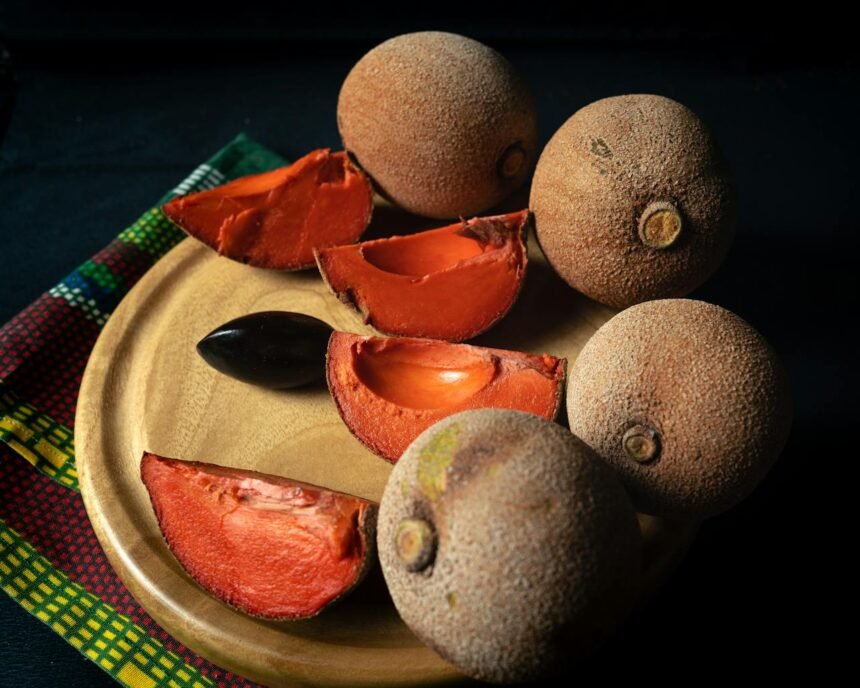
If you have ever strolled through a tropical orchard or visited a specialist market in Southeast Asia, you might have encountered a fruit that looks more like a fuzzy peach than an apple. Known scientifically as Diospyros blancoi, the Mabolo fruit—often called the velvet apple—is a nutritional powerhouse that remains a hidden gem in the world of superfoods. From supporting your immune system to enhancing skin radiance, the range of Mabolo fruit benefits is as impressive as its unique, velvet-covered skin.
In this guide, we will explore why this tropical fruit deserves a place in your diet and how its dense nutrient profile can help you optimise your health. Whether you are a fan of exotic flavours or looking for new ways to boost your dietary fibre, the Mabolo has something to offer.
What is Mabolo Fruit?
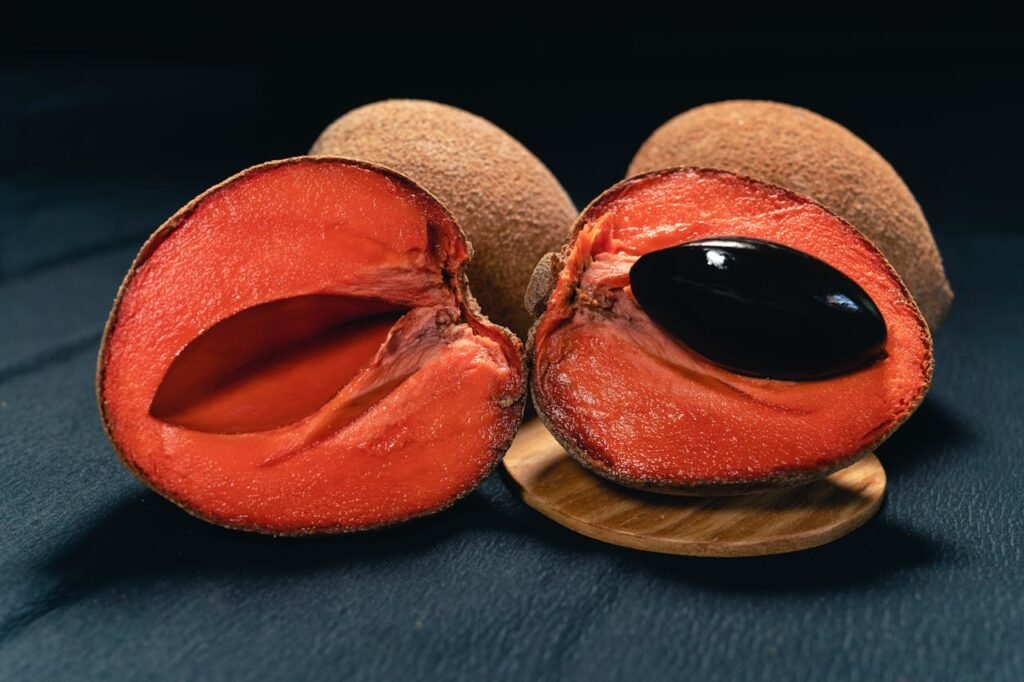
The Mabolo is native to the Philippines but is now cultivated across many tropical regions. It belongs to the same family as the persimmon, which explains its sweet, slightly creamy flesh. The name “Mabolo” is derived from the Tagalog word for “hairy,” referring to the fine downy fur that covers its reddish-brown peel. While the smell of the skin can be pungent, the flesh inside is mild, often described as a blend of apple, banana, and strawberry.
Mabolo Nutritional Profile at a Glance
To understand the Mabolo fruit benefits, we must first look at what is inside. This fruit is low in fat but rich in essential micronutrients and calcium levels that support bone density.
| Nutrient | Primary Benefit | Health Impact |
|---|---|---|
| Vitamin C | Immune support | Protects against oxidative stress. |
| Potassium | Cardiovascular health | Helps regulate blood pressure. |
| Dietary Fibre | Digestive health | Promotes regular bowel movements. |
| Vitamin A | Vision and skin health | Supports cellular repair. |
| Iron | Oxygen transport | Boosts iron content in the blood. |
1. Exceptional Antioxidant Properties
One of the standout Mabolo fruit benefits is its high concentration of phytochemicals. These natural compounds provide robust antioxidant properties that neutralise free radicals in the body. According to research published on Nature.com, diets rich in antioxidants are crucial for reducing the risk of chronic diseases. By regularly consuming Mabolo, you provide your body with the tools it needs to combat cellular damage.
2. Boosts Immune Support
In an era where health is a priority, the high vitamin C content in Mabolo is a major draw. Vitamin C is essential for the production of white blood cells, which are the body’s first line of defence against infections. The National Institutes of Health (NIH) highlights that adequate vitamin C intake can reduce the duration and severity of common colds.
3. Enhances Digestive Health
If you struggle with sluggish digestion, the velvet apple might be your new best friend. It is loaded with insoluble dietary fibre, which adds bulk to the stool and facilitates smoother passage through the gut. Maintaining excellent digestive health is not just about comfort; it is also linked to better nutrient absorption and even mental well-being. For more on the importance of fibre, visit the Mayo Clinic’s guide to fibre.
4. Supports Cardiovascular Health
Heart health is a global concern, and the potassium found in Mabolo plays a vital role in maintaining a healthy rhythm. Potassium acts as a vasodilator, which means it helps relax the tension in your blood vessels. This can lead to a reduction in blood pressure, lowering the strain on your heart. Organisations like HEART UK emphasise that mineral-rich fruits are key components of a heart-healthy lifestyle.
5. Potent Anti-inflammatory Effects
Chronic inflammation is a silent driver of many modern ailments, including arthritis and metabolic syndrome. Mabolo contains bioactive compounds that offer anti-inflammatory effects. By incorporating this fruit into a balanced diet, you may help dampen systemic inflammation. You can learn more about anti-inflammatory diets from Medical News Today.
6. Promotes Radiant Skin Health
The combination of Vitamin A and Vitamin C makes the Mabolo a natural beauty booster. Vitamin A promotes cell turnover, while Vitamin C is a precursor to collagen production. This synergy supports skin health by reducing the appearance of fine lines and maintaining elasticity. Authoritative sources like WebMD suggest that what you eat is just as important as what you apply topically for a glowing complexion.
7. Strengthens Bones with Calcium
While dairy is the most famous source of calcium, many tropical fruits contribute to your daily intake. The calcium levels in Mabolo contribute to the maintenance of strong bones and teeth. This is particularly important for individuals following plant-based diets who need varied sources of minerals. The British Nutrition Foundation provides excellent resources on non-dairy calcium sources.
8. Improves Vision and Eye Health
Thanks to its Vitamin A content, Mabolo is beneficial for ocular health. Vitamin A is a key component of rhodopsin, a protein that allows your eyes to see in low-light conditions. Preventing Vitamin A deficiency is a global health priority, as noted by the World Health Organization (WHO).
9. Rich in Essential Iron
Iron deficiency is one of the most common nutritional gaps worldwide. The iron content in Mabolo helps in the production of haemoglobin, ensuring that oxygen is efficiently transported throughout your body. Increasing your intake of iron-rich fruits can help combat fatigue and improve energy levels. Research on ScienceDirect notes the traditional use of Mabolo in various cultures to treat anaemia-related symptoms.
10. Assists in Weight Management
Because the Mabolo is high in fibre and water but relatively low in calories, it is an excellent snack for those managing their weight. Fibre promotes satiety, meaning you feel fuller for longer, which can prevent overeating. For guidance on healthy weight loss, refer to the FDA’s nutrition resources.
11. Traditional Medicinal Uses
Beyond modern nutrition, the Mabolo tree has been utilised in traditional medicine for centuries. From treating skin ailments to easing respiratory issues, different parts of the Diospyros blancoi plant have therapeutic histories. While more clinical trials are needed, the Cochrane Library remains a great place to search for systematic reviews on herbal and traditional interventions.
How to Safely Enjoy Mabolo
To get the most out of your Mabolo, follow these simple steps:
- Remove the skin: The fuzzy skin can be irritating to the throat and has a strong odour. Always peel it before eating.
- Check for ripeness: A ripe Mabolo should be slightly soft to the touch and have a deep reddish-orange colour.
- Eat fresh: While it can be used in desserts, eating the fruit raw preserves its vitamin C content.
If you have specific health conditions, such as diabetes, it is always wise to monitor your fruit intake. Diabetes UK offers great advice on how to incorporate fruit into a diabetic-friendly meal plan.
Frequently Asked Questions (FAQs)
Can you eat the skin of the Mabolo fruit?
While the skin is technically edible, it is generally recommended to peel it. The fine hairs can cause irritation in the mouth and throat, and the skin itself has a pungent aroma that many find unpleasant. The sweet flesh inside is the part most people enjoy.
What does Mabolo fruit taste like?
The taste is unique and mild. Most people describe it as a creamy mixture of apple, peach, and banana. Its texture is firm yet velvety, similar to a dense custard or a ripe pear.
Are there any side effects of eating velvet apple?
For most people, Mabolo is safe and nutritious. However, because it is high in fibre, eating large quantities suddenly may cause mild bloating if your body is not used to a high-fibre diet. Always introduce new fruits gradually and stay hydrated by drinking plenty of water, as recommended by Harvard Health.
Where can I find Mabolo fruit?
In the UK, Mabolo is considered an exotic fruit. You are most likely to find it in specialised Asian supermarkets or through online tropical fruit importers. Look for it under the names “velvet apple” or “kamagong.”
In summary, the Mabolo fruit benefits are vast, ranging from boosting your immune support to protecting your cardiovascular health. Its rich array of vitamins, minerals, and antioxidant properties makes it a worthy addition to any health-conscious diet. Next time you see this fuzzy tropical fruit, don’t be deterred by its exterior—the nutritional rewards inside are well worth the discovery. For more detailed studies on plant-based nutrition, you can explore the NCBI database.