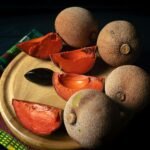
If you are looking to add a touch of the exotic to your garden, learning how to grow velvet apple is a rewarding journey. Often referred to as the Mabolo fruit, this striking tropical evergreen is known for its beautiful, velvety reddish-brown skin and creamy, cheese-like pulp. Scientifically named Diospyros blancoi, the velvet apple is a relative of the common persimmon and is highly prized for its timber, often called the kamagong tree or “ironwood.”
While it is native to the Philippines, this stunning tree has found its way into many heirloom fruit varieties collections across the globe. In this guide, we will explore the nuances of tropical fruit cultivation, ensuring you have the knowledge to foster a thriving, productive tree from sapling to harvest.
Understanding the Velvet Apple
The velvet apple is more than just a fruit tree; it is a centerpiece for edible landscaping. The tree features glossy, dark green leaves with a silver underside, providing a sophisticated aesthetic to any garden. Before you begin, it is important to realise that these trees are dioecious, meaning you typically need both a male and a female tree to produce fruit, unless you opt for grafting fruit trees from a self-fertile cultivar.
Velvet Apple vs. Common Persimmon
To help you decide if this is the right addition to your orchard, let’s look at how it compares to its better-known cousin.
| Feature | Velvet Apple (Mabolo) | Common Persimmon |
|---|---|---|
| Skin Texture | Dense, velvety fur | Smooth, waxy |
| Flavour Profile | Mild, creamy, cheese-like | Sweet, honey-like |
| Growth Habit | Tropical Evergreen | Deciduous |
| Timber Value | Extremely high (Kamagong) | Moderate |
Preparation: Setting the Stage for Success
To successfully grow velvet apple, you must mimic its natural humid environment. According to research from Kew Gardens, these trees thrive in lowland tropical climates with well-distributed rainfall. If you live in a cooler region, you must be aware of the tree’s high frost sensitivity; even a light frost can cause significant damage to young specimens.
Choosing the Right Site
- Sunlight: Ensure your tree receives full sun for at least 6 to 8 hours a day.
- Soil: The tree prefers deep, well-draining loamy soil. Maintaining the correct soil pH for tropicals (ideally between 6.0 and 7.5) is essential for nutrient uptake.
- Space: Given that the kamagong can reach heights of 20 metres or more in the wild, provide ample space or plan for regular pruning techniques to manage its size.
How to Propagate: Seeds vs. Grafting
Most home gardeners start with velvet apple seeds. However, be aware that seeds lose viability quickly. You should plant them immediately after extraction from a ripe fruit. For those wanting a faster harvest and guaranteed fruit quality, grafting is the preferred method.
- Clean the seeds: Remove all pulp, as sugars can encourage fungal growth.
- Sowing: Plant seeds in a seed-starting mix about 2cm deep.
- Germination: Keep the soil consistently moist and warm. Germination typically occurs within 3 to 4 weeks.
- Transplanting: Once the seedling has two sets of true leaves, move it to a larger pot or its permanent outdoor location.
Care and Maintenance
Once established, the velvet apple is relatively hardy, but a little extra care goes a long way in improving the nutritional benefits and yield of the fruit. Like many tropical species, it benefits from a consistent nitrogen-rich fertiliser schedule during the growing season. You can find excellent organic options through the Royal Horticultural Society resources.
Watering and Mulching
Keep the soil moist but never waterlogged. Applying a thick layer of organic mulch around the base (keeping it away from the trunk) helps retain moisture and mimics the forest floor. This practice is supported by sustainable farming guidelines from the FAO.
Pest Management
While the velvet apple is generally resistant to many pests, keep an eye out for mealybugs and fruit flies. Utilizing organic pest control methods, such as neem oil or introducing beneficial insects, is highly recommended to keep your fruit chemical-free. Organizations like Nature.com often highlight the importance of biodiversity in managing orchard pests naturally.
Harvesting Your Velvet Apple
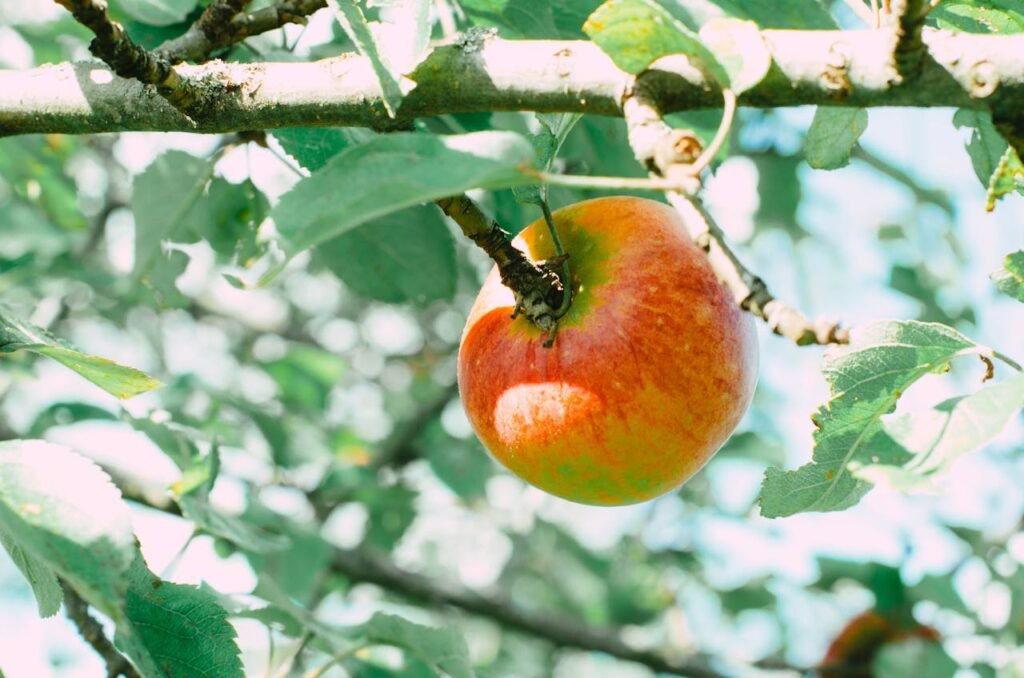
Patience is key. Seed-grown trees may take 6 to 7 years to fruit, while grafted trees can produce in as little as 3 to 4 years. Follow these harvesting tips for the best results:
- Wait until the fruit turns a deep red or maroon colour.
- The “fur” should rub off easily when the fruit is ripe.
- Handle the fruit gently, as it bruises easily despite its tough appearance.
Many people find the smell of the skin off-putting (often compared to strong cheese). To enjoy the fruit, simply peel the skin away to reveal the sweet, white flesh inside. Research published via PubMed suggests that the fruit is rich in dietary fibre and essential vitamins, making it a healthy addition to your diet, much like the fruits recommended by the NHS.
Sustainable Growth and Biodiversity
Growing the kamagong tree also contributes to global reforestation efforts. As noted by the World Agroforestry Centre, planting diverse fruit species helps support local ecosystems and prevents the loss of rare genetic varieties. For more on the environmental impact of tree planting, visit ScienceDirect.
If you are interested in the botanical history and further classifications of this species, the Missouri Botanical Garden provides extensive databases. Additionally, for general advice on maintaining a healthy garden lifestyle, sites like Mayo Clinic and The Spruce offer excellent cross-disciplinary tips on the benefits of gardening for mental health.
For those interested in the edibility of diverse species, Plants for a Future is an invaluable resource for discovering the uses of the velvet apple beyond just its raw fruit.
Frequently Asked Questions (FAQs)
Can I grow velvet apple in a pot?
Yes, you can grow velvet apple in a large container, especially if you use pruning techniques to maintain a manageable size. However, the tree may produce less fruit than if it were planted in the ground.
Does the fruit really smell like cheese?
The skin of the Mabolo fruit has a distinctive aroma that some find pungent. However, once the velvety skin is removed, the flesh has a mild, pleasant, and sweet flavour that is quite different from the scent of the peel.
Is the wood of the velvet apple tree valuable?
Absolutely. The kamagong tree is famous for its “ebony” timber, which is extremely dense, dark, and durable. It is often used for fine furniture and traditional carvings, though in many regions, the tree is protected to prevent over-harvesting.
How much water does a velvet apple tree need?
During its first few years, the tree needs regular watering to establish its root system. Once mature, it is moderately drought-tolerant but will produce better fruit with consistent hydration, especially during the flowering and fruiting stages.