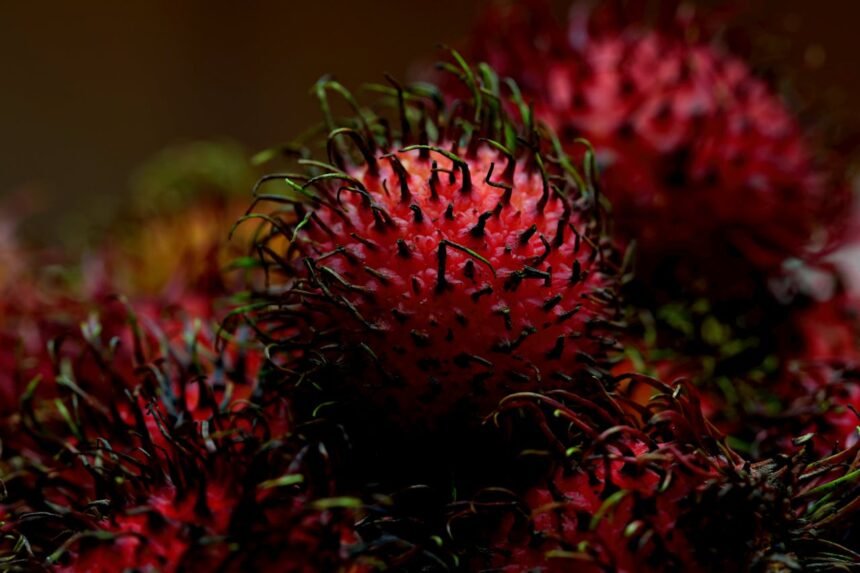
When you browse the produce aisle, your eyes might be drawn to the bright colour of apples or the smooth skin of pears. However, there is a world of exotic, “hairy” fruits that offer extraordinary nutritional value. From the spiky rambutan to the fuzzy kiwi, understanding hairy fruit benefits can help you diversify your diet and boost your wellbeing.
These unique fruits are more than just a visual curiosity. They are packed with essential vitamins, minerals, and unique phytochemicals. In this guide, we will explore the nutritional profile of these tropical wonders and why you should consider adding them to your shopping basket.
What Exactly are Hairy Fruits?
The term “hairy fruit” usually refers to tropical species like the rambutan (Nephelium lappaceum) or the more common kiwi fruit. The “hairs” on these fruits serve a biological purpose, often protecting the delicate flesh from pests or harsh environmental conditions. Beyond their appearance, these fruits are famous for their antioxidant properties and high Vitamin C content.
According to the NHS, eating a wide variety of fruits is essential for maintaining a balanced diet. Including exotic options ensures you receive a broader spectrum of micronutrients that common fruits might lack.
The Top Hairy Fruits and Their Unique Profiles
1. Rambutan: The Spiky Powerhouse
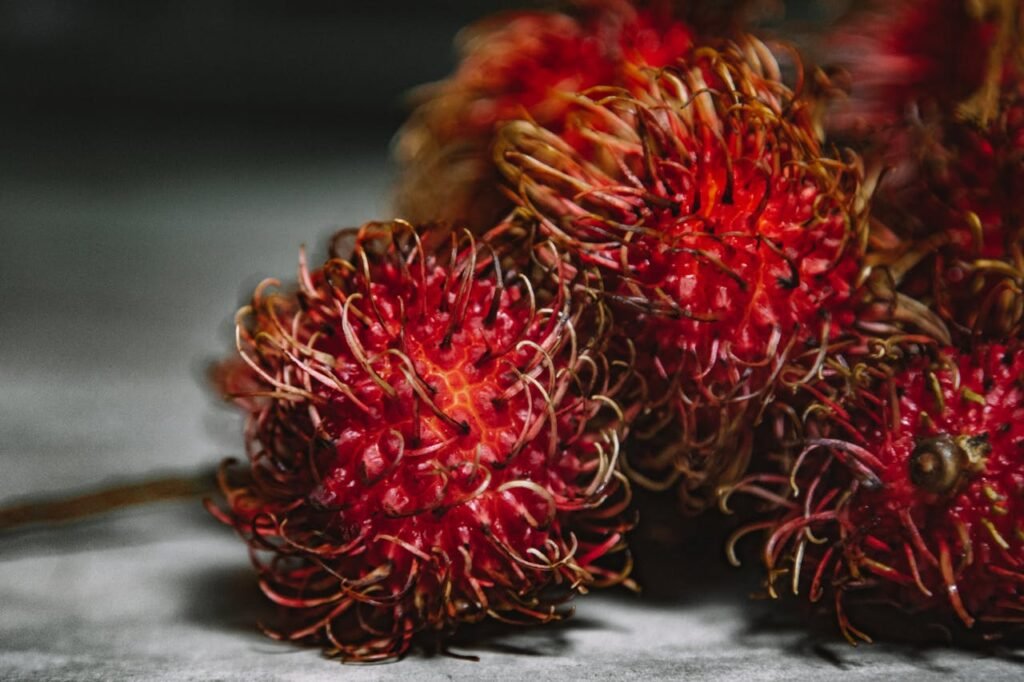
Native to Southeast Asia, the rambutan looks like a hairy strawberry. Its name literally comes from the Malay word for hair. It is a fantastic source of dietary fibre and provides a significant boost to your immune system support. The translucent flesh is sweet and creamy, similar to a lychee.
2. Kiwi Fruit: The Fuzzy Favourite
Perhaps the most recognisable hairy fruit, the kiwi is a nutritional giant. While many people peel it, the fuzzy skin is actually edible and contains a high concentration of nutrients. Research published in Nature suggests that the bioactive compounds in kiwi can significantly improve metabolic health.
Nutritional Comparison: Rambutan vs. Kiwi
To help you understand the specific hairy fruit benefits, let’s look at how these two popular options compare per 100g serving:
| Nutrient (per 100g) | Rambutan | Kiwi Fruit |
|---|---|---|
| Calories | 82 kcal | 61 kcal |
| Vitamin C | ~40 mg | ~93 mg |
| Fibre | 0.9 g | 3.0 g |
| Potassium | 42 mg | 312 mg |
| Primary Benefit | Iron absorption | Digestive health |
Key Health Benefits of Hairy Fruits
Integrating these fruits into your daily routine offers several scientifically backed advantages. Here is why you should prioritise these tropical fruits in your diet:
Improved Digestive Health
The high dietary fibre content found in kiwi and rambutan aids in regular bowel movements and prevents constipation. Fibre acts as a prebiotic, feeding the good bacteria in your gut. As noted by Healthline, kiwi contains an enzyme called actinidin which specifically helps break down proteins.
Enhanced Immune Function
With an impressive Vitamin C content, these fruits are essential for white blood cell production. Consuming these fruits can help your body fight off infections more effectively. The Mayo Clinic highlights Vitamin C as a vital antioxidant that protects cells from free radicals.
Glowing Skin and Anti-Ageing
If you want a natural skin glow, hairy fruits are your best friend. The antioxidants help moisturise the skin from the inside out by promoting collagen synthesis. This helps reduce the appearance of fine lines and protects against UV damage.
Heart Health and Blood Pressure
Managing potassium levels is crucial for blood pressure management. Kiwi, in particular, is an excellent source of potassium, which helps counteract the negative effects of sodium in the diet. Studies found on ScienceDirect suggest that regular consumption of potassium-rich fruits reduces the risk of cardiovascular events.
How to Incorporate Hairy Fruits into Your Diet
Many people feel intimidated by the fruit preparation process for exotic varieties. However, it is quite simple once you know the technique:
- For Rambutan: Use a knife to make a shallow cut around the middle, then pop the flesh out. Remember to remove the single seed inside.
- For Kiwi: You can slice it in half and scoop the flesh with a spoon, or eat it whole (skin included) after washing it thoroughly.
- Smoothie Boost: Add peeled rambutan or kiwi to your morning smoothie for a low-calorie snack that feels like a treat.
- Salad Toppers: Dice these fruits and toss them into a spinach salad for a sweet and tangy contrast.
The Role of Hairy Fruits in Traditional Medicine
Long before modern science, many cultures utilised these plants in traditional medicine. For instance, the leaves and skin of the rambutan were often used in poultices to treat headaches or fevers in Southeast Asian villages. According to the World Health Organization (WHO), traditional plant-based therapies remain a vital part of global healthcare.
Modern research is now catching up, investigating how the polyphenols in these fruits may help metabolise glucose more efficiently, potentially aiding those with type 2 diabetes. You can find more detailed studies on these compounds via the National Institutes of Health (NIH).
Safety and Considerations
While hairy fruit benefits are numerous, there are a few things to keep in mind:
- Allergies: Some people may have an allergic reaction to kiwi, especially if they have a latex allergy.
- Seed Toxicity: The seeds of the rambutan should not be eaten raw as they may contain traces of toxic compounds.
- Sugar Content: While natural, the sugars in tropical fruits can add up, so enjoy them in moderation as part of a varied diet, as recommended by the CDC.
For more evidence-based nutrition advice, organisations like the British Nutrition Foundation and Harvard Health offer extensive resources on fruit consumption and healthy ageing.
If you are looking for specific clinical trials regarding tropical fruit extracts, the Cochrane Library provides high-quality systematic reviews. Additionally, information on the environmental impact of importing these fruits can be found at Nutrition.gov or Medical News Today.
Frequently Asked Questions (FAQs)
Can you eat the skin of a kiwi?
Yes, the skin of a kiwi is entirely edible and highly nutritious. It contains a high concentration of fibre and antioxidants. Just ensure you wash it thoroughly to remove any dirt or residual pesticides.
Are rambutans high in sugar?
Rambutans contain natural sugars, but they are considered to have a moderate glycaemic index. They are an excellent low-calorie snack when consumed in reasonable portions, providing energy without a massive sugar spike.
Where can I buy these exotic fruits?
Most large supermarkets now stock kiwi year-round. Rambutan and other more exotic varieties can typically be found in Asian grocery stores or specialist fruit markets, particularly during the summer months.
Do hairy fruits help with weight loss?
Because they are high in water and fibre, hairy fruits can help you feel full for longer. This makes them a great addition to a weight management plan, as they satisfy sweet cravings while providing essential nutrients.
Is it safe to eat rambutan seeds?
It is generally advised to avoid eating raw rambutan seeds. While some cultures cook them, they can contain saponins and other compounds that might be harmful if consumed in large quantities without proper preparation.