When we think of superfruits, berries and citrus often take the spotlight. However, the velvet fruit plant (Dialium guineense) is a botanical gem that has been utilised for centuries in West Africa. Known colloquially as the black velvet tamarind, this unique plant offers more than just a sweet-and-sour snack. From its dense nutritive value to its role in traditional medicine, it is a powerhouse of wellness.
In this guide, we will explore why the velvet fruit plant is gaining international attention, its impressive micronutrient profile, and how you can incorporate its benefits into a healthy lifestyle.
What is the Velvet Fruit Plant?
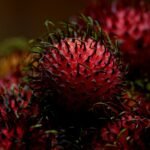
The velvet fruit plant is a large, indigenous plant species typically found in the tropical regions of West Africa. It belongs to the Fabaceae family and is easily recognisable by its small, circular black fruits covered in a soft, velvety down. Inside the shell lies an orange, powdery pulp that tastes like a blend of tamarind and sherbet.
As one of the most prominent tropical fruit trees in the region, it thrives in dry forests and coastal scrub. Unlike many commercial crops, these are often wild-harvested fruits, meaning they are gathered from the wild rather than grown on large-scale industrial farms, which often preserves their high antioxidant levels.
The Nutritional Power of African Velvet Fruit
The African velvet fruit is much more than a tasty treat. Research published in Nature suggests that indigenous fruits play a critical role in food security and nutrition. The pulp is exceptionally rich in vitamin C content, which is essential for a robust immune system and skin health.
Key Nutrients at a Glance
To understand why this plant is so highly valued, let us look at the nutritive value of its pulp per 100g serving:
| Nutrient | Benefit |
|---|---|
| Vitamin C | Boosts immunity and collagen production. |
| Dietary Fibre | Supports healthy digestion and weight management. |
| Potassium | Helps maintain healthy blood pressure levels. |
| Calcium | Essential for bone density and structure. |
| Iron | Supports oxygen transport in the blood. |
5 Evidence-Based Black Velvet Tamarind Benefits
The medicinal uses of the velvet fruit plant extend far beyond basic nutrition. Here are five reasons why health experts are taking a closer look at this seasonal superfruit.
1. High Antioxidant Levels
Antioxidants are vital for protecting our cells from oxidative stress. The velvet fruit is packed with polyphenols that help neutralise free radicals. According to the Mayo Clinic, a diet rich in antioxidants can reduce the risk of chronic diseases such as heart disease and cancer.
2. Supports Digestive Health
High dietary fibre content is one of the standout black velvet tamarind benefits. Fibre is crucial for a healthy gut microbiome. It helps prevent constipation and may reduce the risk of inflammatory bowel conditions. You can learn more about the importance of gut health at Healthline.
3. Natural Antimicrobial Properties
Studies have shown that extracts from the leaves and bark of the velvet fruit plant possess significant antimicrobial properties. Research archived by the National Institutes of Health (NIH) indicates that these extracts can fight certain strains of bacteria, making them a staple in local healing practices.
4. Management of Hypertension
Because the fruit is a natural source of potassium and magnesium, it may assist in regulating blood pressure. The World Health Organization (WHO) highlights that reducing sodium and increasing potassium is a key strategy in managing hypertension globally.
5. Anti-Inflammatory Effects
The pulp and seeds contain phytochemicals that may help reduce inflammation in the body. Reducing systemic inflammation is critical for preventing long-term metabolic issues, a topic frequently covered in The Lancet.
Traditional Medicine and Modern Science
For generations, the velvet fruit plant has been central to traditional medicine in West African cultures. It isn’t just the fruit that is used; the leaves are often brewed into a tea to treat gastric ulcers, while the bark is utilised for its analgesic properties.
Modern science is beginning to validate these indigenous practices. Research found in ScienceDirect suggests that the bioactive compounds in Dialium guineense could be harnessed for future pharmaceutical applications. The synergy between traditional medicine and modern clinical trials is a growing field of study at institutions like the University of Oxford.
How to Use the Velvet Fruit Plant
- Raw Consumption: Crack the thin black shell and suck on the orange pulp.
- Refreshing Drinks: Soak the pulp in water, add a touch of honey, and strain for a tangy juice.
- Jams and Preserves: Use the pulp as a natural thickener and flavouring for spreads.
- Herbal Infusions: Dry leaves can be used to make tea, though you should consult a doctor first.
Sustainability and Environmental Impact
The velvet fruit plant is a hardy tree that contributes to the biodiversity of its ecosystem. Promoting the consumption of wild-harvested fruits encourages the preservation of natural forests over deforestation for palm oil or cocoa plantations. Organisations like WebMD note that diversifying our diets with such fruits is not only good for us but also for the planet.
Furthermore, the nutritive value of these plants provides an affordable source of vitamins for local communities, reducing the reliance on processed supplements. Detailed nutritional databases, such as the USDA FoodData Central, are increasingly including such global indigenous foods to help researchers understand their impact on public health.
Potential Side Effects and Precautions
While the velvet fruit plant is generally safe for consumption, there are a few things to keep in mind:
- Sugar Content: Like many fruits, it contains natural sugars; those with diabetes should monitor their intake. Refer to The BMJ for more on fruit consumption and diabetes.
- Tannins: The bark and leaves are high in tannins. Excessive consumption of these parts can interfere with iron absorption.
- Pregnancy: While the fruit is nutritious, pregnant women should always consult their healthcare provider before introducing new herbal remedies. Guidance can be found via the British Journal of Nutrition.
Frequently Asked Questions (FAQs)
Is velvet fruit the same as tamarind?
No, they are different species. While both have a sweet-and-sour flavour profile and belong to the same family (Fabaceae), the velvet fruit plant (Dialium guineense) has a characteristic velvety black shell and a powdery pulp, whereas the common tamarind (Tamarindus indica) has a brown, pod-like shell and a sticky paste.
Can you eat the seeds of the velvet fruit?
The seeds are generally not eaten raw as they are very hard. However, in some cultures, they are ground into a powder or used in traditional recipes after significant processing. Most people enjoy the pulp and discard the seeds.
Where can I find velvet fruit?
In West Africa, they are widely available in local markets during their peak season (typically January to May). Globally, you may find them in speciality African grocery stores or dried in international markets. Because they are wild-harvested fruits, their availability can be seasonal and limited.
The Bottom Line
The velvet fruit plant is a testament to the incredible power of nature’s pharmacy. With its high vitamin C content, antimicrobial properties, and rich history in traditional medicine, it is a seasonal superfruit that deserves a place on the global stage. Whether you are seeking to improve your micronutrient profile or simply enjoy a unique flavour, this plant offers a taste of the tropics with a wealth of health benefits.