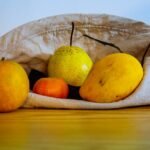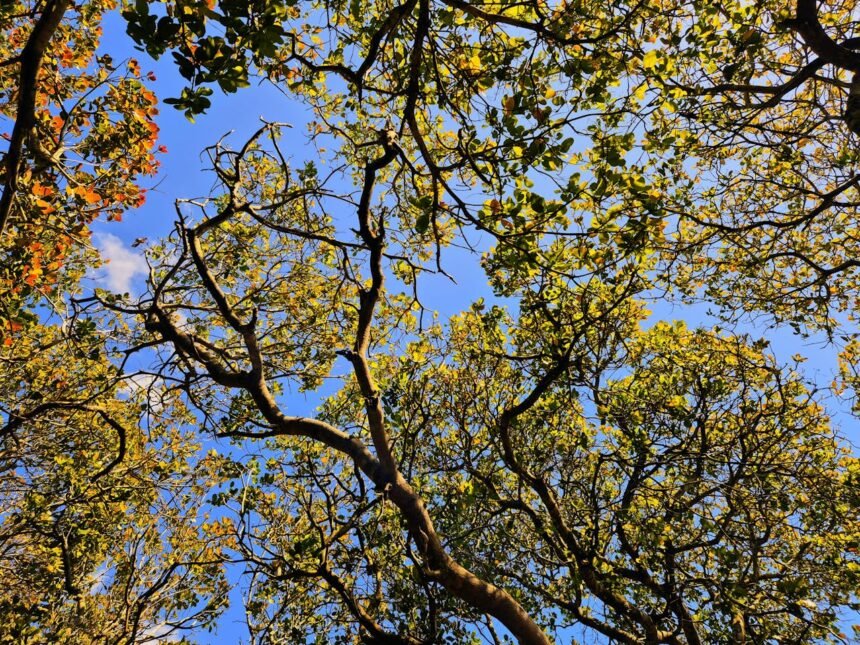
Known for its distinctive velvety skin and aroma that divides opinion, the Mabolo tree facts reveal a species that is as culturally significant as it is nutritionally dense. Often referred to as the velvet apple or butter fruit, this tropical evergreen belongs to the ebony family and is native to the Philippines.
At first glance, the fruit might look like a fuzzy peach, but beneath its reddish-brown coat lies a creamy, white flesh with a taste reminiscent of cheese and apple. Whether you are interested in its rare kamagong wood or its potent antioxidant properties, there is much more to this tree than meets the eye. Let’s dive into the most essential Mabolo tree facts you should know.
What is the Mabolo Tree?
The Mabolo tree, scientifically known as Diospyros blancoi, is a medium-sized tropical tree that can grow up to 30 metres tall. It is renowned for its durability and its unique fruit. While it was once widespread across Southeast Asia, it is now increasingly recognised as an endangered species in certain regions due to over-harvesting for its timber.
The name “Mabolo” is derived from the Tagalog word for “hairy,” referring to the fine, velvet-like hairs that cover the skin of the edible fruit. These hairs can cause skin irritation or an itchy throat if not removed properly before consumption, which is why most people peel the fruit or rub off the fuzz before eating.
Nutritional Value of the Velvet Apple
One of the most impressive Mabolo tree facts is the fruit’s dense nutritional value. Like many tropical fruits, it is packed with essential vitamins and minerals that support overall health. It is particularly high in iron content, making it a valuable addition to diets focused on preventing anaemia.
The fruit is also an excellent source of dietary fibre, which promotes digestive health and helps maintain a healthy weight. Below is a comparison of the key nutrients found in the Mabolo fruit:
| Nutrient | Benefit | Source Equivalent |
|---|---|---|
| Vitamin C | Immune support and collagen production | Oranges |
| Vitamin A | Vision health and skin integrity | Carrots |
| Iron | Red blood cell production | Spinach |
| Potassium | Heart health and fluid balance | Bananas |
Health Benefits and Traditional Medicine
Beyond its taste, the Diospyros blancoi has been utilised in traditional medicine for centuries. Research published in journals like Nature suggests that many species in the Diospyros genus contain bioactive compounds that fight inflammation.
- Immune System Support: High levels of vitamin C help the body fight off infections and oxidative stress.
- Heart Health: The potassium and antioxidant properties found in the fruit help regulate blood pressure.
- Respiratory Relief: In some cultures, the bark and leaves are prepared as a decoction to treat coughs and asthma.
- Skin Health: The vitamins A and C contribute to skin repair and protection against UV damage.
The high dietary fibre content is particularly beneficial for those looking to improve their gut microbiome, as it acts as a prebiotic for healthy bacteria.
The Rare Kamagong Wood
Among the most fascinating Mabolo tree facts is the value of its timber. The wood of the Mabolo tree is known as Philippine ebony or kamagong wood. It is one of the hardest and densest timbers in the world, often turning nearly pitch-black as it ages.
Because the tree grows slowly, this wood is incredibly rare and expensive. It is traditionally used to make high-end furniture, martial arts weapons (like arnis sticks), and decorative carvings. Due to its status as an endangered species, the international trade of kamagong is strictly regulated to prevent further deforestation.
Fruit Cultivation and Growth Habits
If you are considering fruit cultivation, the Mabolo tree requires a warm, humid climate. It thrives in well-drained soil and can tolerate a variety of light conditions, though it prefers full sun for maximum fruit production. You can learn more about its growth patterns from the Missouri Botanical Garden.
Key points for cultivation include:
- Climate: Needs a tropical or subtropical environment with no frost.
- Soil: Prefers loamy, slightly acidic soil.
- Propagation: Usually grown from seeds, though grafting is possible for better fruit quality.
- Patience: Seed-grown trees may take 6 to 7 years to produce fruit.
For more on botanical classifications, visit the Royal Botanic Gardens, Kew.
Potential Side Effects and Safety
While the fruit is safe for most people, there are a few things to keep in mind. The most common issue is skin irritation caused by the “fuzz” on the peel. If you have sensitive skin, it is best to handle the fruit with gloves or under running water.
Additionally, while the fruit is a healthy part of a balanced diet, the seeds should not be consumed in large quantities. As with any new food, start with a small amount to ensure you do not have an allergic reaction. Those with chronic kidney issues should consult a doctor regarding the iron content and potassium levels in tropical fruits, as noted by the Mayo Clinic.
Scientists are also investigating the anti-inflammatory potential of the fruit’s extracts, which could one day lead to new therapeutic applications. You can find more studies on these phytochemicals at ScienceDirect and MDPI Nutrients.
Summary of Mabolo Tree Characteristics
The Mabolo tree is a testament to the richness of tropical biodiversity. From its status as a provider of Philippine ebony to its role in traditional medicine, it remains a vital species. By understanding these Mabolo tree facts, we can better appreciate the need for conservation efforts to protect this unique tree from extinction, as highlighted by the IUCN Red List.
For those interested in the broader impact of fruit consumption on health, resources like Harvard Health and WebMD offer excellent guidance on integrating exotic fruits into your lifestyle. For deep-dive botanical research, Springer provides extensive literature on tropical pomology.
Frequently Asked Questions (FAQs)
What does Mabolo fruit taste like?
The flavour of Mabolo fruit is often described as a blend of apple, banana, and mild cheese. It has a creamy, dry texture, similar to a dense custard or a firm peach. The smell is quite pungent—often compared to stinky cheese—but this disappears once the skin is removed.
Why is the Mabolo tree endangered?
The Mabolo tree is threatened primarily due to habitat loss and the high demand for its timber, known as kamagong wood. Because it is a slow-growing tree, it cannot easily recover from intensive logging, leading to its protected status in many regions.
How do you eat Mabolo fruit safely?
To eat the fruit safely, you must remove the velvet-like hairs on the skin, as they can cause skin irritation. The best method is to peel the fruit entirely. The white flesh can be eaten raw, added to salads, or prepared as a dessert. Ensure you remove any seeds before eating.