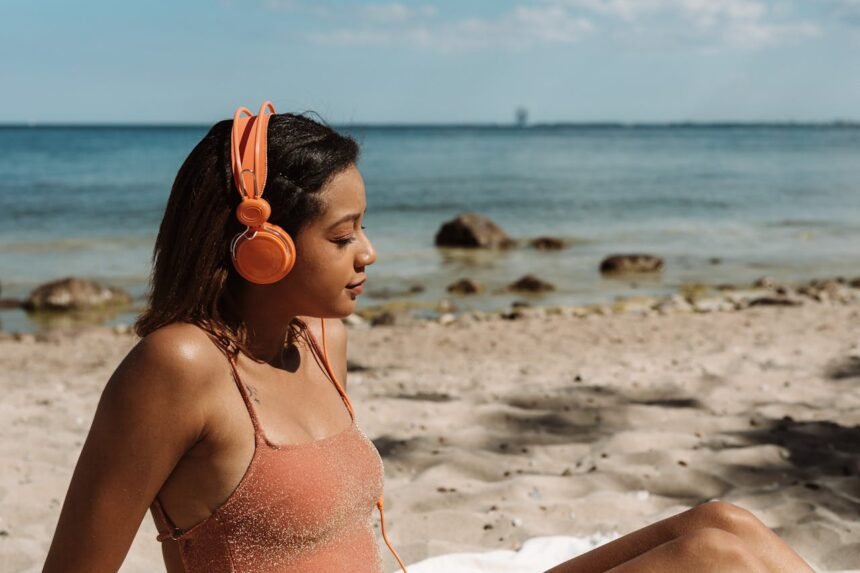
Whether it is the rhythmic crash of Atlantic rollers or the gentle lap of the Mediterranean against the shore, most of us recognise the immediate sense of calm that comes from being near the water. This isn’t just a placebo effect; it is a scientifically backed phenomenon. Beach sounds therapy is increasingly being utilised by therapists and sleep experts to help people manage the pressures of modern life, improve their mental health, and achieve deeper, more restorative rest.
In this guide, we will explore the restorative power of “blue space,” how nature sounds influence our biology, and how you can integrate these relaxation techniques into your daily routine to lower cortisol levels and boost your overall well-being.
The Science of Sound: How Ocean Waves Affect the Brain
The human brain is constantly scanning the environment for threats. Sharp, unpredictable noises—like a car horn or a slamming door—trigger our “fight or flight” response. Conversely, the steady, predictable rhythm of ocean waves sends a signal to our brains that we are safe. This form of auditory stimulation can shift our brainwaves from a state of high-alert (Beta waves) to a more relaxed, meditative state (Alpha and Theta waves).
Research published in Scientific Reports suggests that listening to nature sounds can cause a physical shift in our autonomic nervous system. When we engage with beach sounds therapy, our system moves away from sympathetic activation (stress) and towards parasympathetic activation (rest and digest).
Is it White Noise or Pink Noise?
Many people mistake the sound of the ocean for white noise. However, from a technical standpoint, the sea is often closer to pink noise. While white noise has equal intensity across all frequencies, pink noise has more power at lower frequencies, creating a deeper, richer sound that many find more soothing for cognitive function and memory retention.
According to the Sleep Foundation, pink noise helps to regulate brain activity, making it easier to fall asleep and stay asleep. You can learn more about the differences in noise colours at Medical News Today.
The Concept of “Blue Space”
Environmental psychologists have long studied “green space” (forests and parks), but more recently, the focus has shifted to “blue space”—areas featuring water. A study from the University of Exeter found that people living near the coast report better health and lower levels of psychological distress.
Beach sounds therapy allows those of us who don’t live near the coast to reap these rewards. By mimicking the auditory environment of the seaside, we can trigger the “Blue Mind” state—a mildly meditative state characterised by calm, peacefulness, and unity. This concept is explored further in the Blue Mind Theory.
The Benefits of Beach Sounds Therapy
Integrating sensory therapy into your life through oceanic audio can have profound effects. Here are the primary benefits identified by health professionals:
- Stress Reduction: Listening to the ocean can significantly lower cortisol levels, the hormone responsible for our stress response.
- Improved Mindfulness: The repetitive nature of waves provides an excellent anchor for mindfulness practices, helping to keep the mind from wandering.
- Enhanced Sleep Hygiene: Using soundscapes as part of your sleep hygiene routine can mask disruptive background noises.
- Boosted Creativity: A relaxed brain is more likely to enter a “default mode network,” which is essential for creative problem-solving.
Comparing Different Sound Therapies
Not all therapeutic sounds are created equal. Use the table below to see how beach sounds therapy compares to other popular options.
| Sound Type | Frequency Profile | Primary Benefit | Best For |
|---|---|---|---|
| Beach/Ocean | Pink Noise (Lower frequencies) | Stress reduction & relaxation | Sleep and Meditation |
| White Noise | Flat (All frequencies) | Masking sharp noises | Offices and Nurseries |
| Rainfall | Pink/Brown Noise | Calming the nervous system | Focus and Study |
| Binaural Beats | Engineered frequencies | Entraining brainwaves | Deep Concentration |
How to Incorporate Beach Sounds into Your Life
You don’t need a plane ticket to the Maldives to enjoy the benefits of beach sounds therapy. Here is how you can utilise these relaxation techniques at home:
- Use High-Quality Recordings: Look for “lossless” audio formats or high-bitrate recordings to ensure you hear the full spectrum of the waves.
- Create a “Blue” Sanctuary: When you listen, try to eliminate visual distractions. Close your eyes or use an eye mask to enhance the sensory therapy experience.
- Combine with Breathing Exercises: Sync your breathing with the sound of the waves. Inhale as the wave comes in, and exhale as it retreats. For guided techniques, visit the NHS website.
- Listen at a Low Volume: The goal is to create a background ambience, not to overwhelm your ears. The World Health Organization recommends keeping volume levels moderate to protect your hearing.
For those struggling with chronic anxiety, the Mayo Clinic suggests that sound therapy is most effective when paired with other clinical treatments.
Psychological Impact and Cognitive Function
Beyond simple relaxation, beach sounds therapy can actually improve our cognitive function. When our brains are constantly bombarded with “directed attention” tasks (like emails and traffic), we suffer from attention fatigue. Nature-based sounds allow for “soft fascination,” a state that lets our attention rest and recharge.
The American Psychological Association notes that exposure to nature, even through audio-visual means, improves performance on tasks requiring concentration. Further evidence on how nature sounds help you relax can be found on Psych Central and Science Daily.
Organisations like Mind UK also advocate for nature-based interventions to help manage depression and seasonal affective disorder (SAD).
Final Thoughts
The ocean has a timeless ability to soothe the human spirit. By embracing beach sounds therapy, you are not just listening to water; you are tapping into a biological hack that has existed for millennia. Whether you use it to drift off to sleep or to find a moment of peace in a hectic workday, the rhythm of the tide is a powerful tool for health.
For more information on the benefits of nature for the mind, check out resources from Harvard Health and Association for Psychological Science. You can also explore the latest research on environmental psychology at Frontiers in Psychology.
Frequently Asked Questions (FAQs)
Can beach sounds therapy help with Tinnitus?
Yes. Many audiologists recommend beach sounds therapy as a form of sound masking for Tinnitus. The broad range of frequencies in ocean waves can help the brain tune out the internal ringing associated with the condition.
How long should I listen to beach sounds to feel the benefits?
Even five to ten minutes of focused listening can help lower your heart rate and reduce cortisol levels. However, for sleep hygiene, many people find it helpful to leave the sounds playing on a loop throughout the night.
Are recorded sounds as effective as being at the beach?
While being physically present at the coast offers additional benefits like fresh air and sunlight, research suggests that high-quality audio recordings are still highly effective at triggering the brain’s relaxation response and improving mental health.