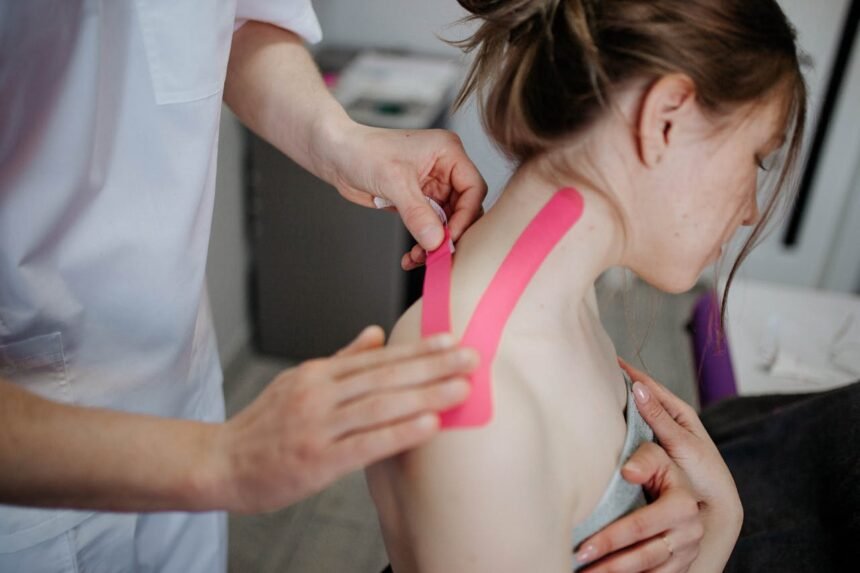
If you have ever felt a sharp twinge while reaching for a high shelf or a dull ache that prevents you from sleeping on your side, you are likely familiar with rotator cuff pain. This common condition affects millions of people globally, often causing frustration and a significant impact on daily life. Whether you are a dedicated athlete or someone who simply enjoys gardening, your shoulder health is vital for maintaining an active lifestyle.
The rotator cuff is a group of four muscles and their tendons that act as a shoulder joint stability mechanism, keeping the head of your upper arm bone firmly within the shallow socket of the shoulder. When these tissues become inflamed or injured, the resulting discomfort can range from a mild annoyance to a debilitating limitation.
What Exactly Causes Rotator Cuff Pain?
Understanding the root cause of your discomfort is the first step toward recovery. According to the NHS, shoulder issues often stem from wear and tear over time or sudden injury. Common culprits include:
- Shoulder Impingement: This occurs when the tendons or bursa (a fluid-filled sac) become trapped against the bones of the shoulder during movement.
- Rotator Cuff Tear: A partial or complete rip in the tendon, often involving the supraspinatus tendon, which is the most commonly injured part of the cuff.
- Shoulder Bursitis: Inflammation of the bursa, often resulting from repetitive overhead activities like swimming or painting.
- Tendinopathy: General wear and tear of the tendons due to ageing or chronic overuse.
Research published in the BMJ suggests that many middle-aged and older adults may have asymptomatic tears, meaning the presence of a tear doesn’t always correlate perfectly with the level of pain experienced.
Recognising the Symptoms
Not all shoulder discomfort is created equal. Identifying specific symptoms can help you and your healthcare provider determine the best course of action. Look out for these common indicators:
- Night Pain: Many sufferers report an inability to sleep on the affected side, with night pain often waking them from a deep sleep.
- Arm Weakness: You may find it difficult to lift heavy objects or even perform simple tasks like brushing your hair.
- Reduced Range of Motion: Difficulty reaching behind your back or fully extending your arm upwards is a classic sign of a rotator cuff issue.
- Cracking or Popping: A sensation of clicking or “crepitus” when moving the shoulder in certain directions.
If you experience sudden, severe arm weakness after a fall, the Mayo Clinic recommends seeking medical attention promptly to rule out an acute rotator cuff tear.
Comparing Common Shoulder Conditions
It can be difficult to distinguish between different types of shoulder issues. The following table highlights the key differences between three frequent diagnoses:
| Condition | Primary Symptom | Movement Limitation | Typical Cause |
|---|---|---|---|
| Rotator Cuff Tendinitis | Dull ache, often worse at night. | Pain during overhead lifting. | Overuse or repetitive motion. |
| Shoulder Impingement | Sharp pain when reaching out. | Pain at specific angles (arc). | Structural narrowing or posture. |
| Frozen Shoulder | Deep, constant ache and stiffness. | Significant loss of all motion. | Inflammation of the joint capsule. |
Diagnosis and Assessment
To get a clear picture of what is happening inside your shoulder, a clinician will typically perform a physical examination. They will assess your range of motion and muscle strength. In some cases, diagnostic imaging may be required.
A specialist might order an MRI scan to visualise the soft tissues, or an ultrasound to look for fluid build-up or tears. Understanding the structural integrity of the supraspinatus tendon is often the priority during these scans.
Treatment Options for Rotator Cuff Pain
The good news is that the vast majority of people with rotator cuff pain recover without the need for surgery. A combination of conservative treatments is usually the first line of defence.
Conservative Management
Most recovery plans focus on reducing inflammation and restoring function. The NICE guidelines in the UK emphasise the importance of progressive exercise. Key strategies include:
- Rest and Activity Modification: Avoiding overhead activities temporarily to allow the tissues to heal.
- Anti-inflammatory Medication: Utilising non-steroidal anti-inflammatory drugs (NSAIDs) to manage swelling and pain.
- Ice Therapy: Applying cold packs to the centre of the pain for 15 minutes several times a day.
- Physical Therapy Exercises: A tailored physical therapy exercises programme is the gold standard for long-term recovery, focusing on strengthening the stabilising muscles.
Advanced Interventions
If conservative measures do not provide relief after several weeks, other options may be explored. A cortisone injection can be highly effective for reducing acute inflammation in shoulder bursitis or impingement, providing a window of relief to engage more effectively in physiotherapy. You can learn more about these injections at Cleveland Clinic.
In cases of severe tears that do not respond to rehab, surgical repair may be considered. Expert resources like ShoulderDoc provide detailed insights into various surgical techniques.
Prevention: Keeping Your Shoulders Healthy
Prevention is always better than cure. To avoid future bouts of rotator cuff pain, consider the following tips:
- Posture Matters: Slumping forward can narrow the space in your shoulder joint, leading to shoulder impingement.
- Balance Your Training: Ensure you are strengthening the muscles at the back of the shoulder as much as the front.
- Warm Up: Never jump straight into heavy lifting or intense sport without a proper mobility routine.
Organisations like Versus Arthritis offer excellent resources for maintaining joint health through low-impact movement.
Frequently Asked Questions (FAQs)
How can I tell if my pain is a rotator cuff issue or a frozen shoulder?
While rotator cuff pain usually allows for some movement but causes pain at certain angles, a frozen shoulder (adhesive capsulitis) is characterised by a global loss of movement. In a frozen shoulder, the joint becomes so stiff that you cannot move it yourself, nor can a doctor move it for you. You can find more details on this distinction at OrthoInfo.
Could my shoulder pain actually be coming from my neck?
Yes, this is known as referred pain. Problems in the cervical spine (neck) can send pain signals down into the shoulder area. If your shoulder pain is accompanied by tingling in your fingers or pain that travels down your arm, it is worth consulting a professional. For more on referred pain, visit Arthritis Foundation.
How long does it take for a rotator cuff injury to heal?
Recovery times vary. Minor strains may improve in 2 to 4 weeks with rest and anti-inflammatory medication. However, more chronic issues or significant tears can take 3 to 6 months of consistent rehabilitation. Evidence-based reviews from Cochrane suggest that exercise is just as effective as surgery for many types of shoulder pain over the long term.
What are the best exercises for shoulder recovery?
Recovery usually involves “pendulum” exercises for mobility and “isometric” contractions for strength. It is vital to consult a specialist to ensure you are performing the correct physical therapy exercises. Helpful video guides can be found via Medical News Today or WebMD.
If you are struggling with persistent discomfort, remember that you don’t have to manage it alone. Professionals like those at the Chartered Society of Physiotherapy can help you design a plan to get back to the things you love. For more general health advice, visit Healthline.