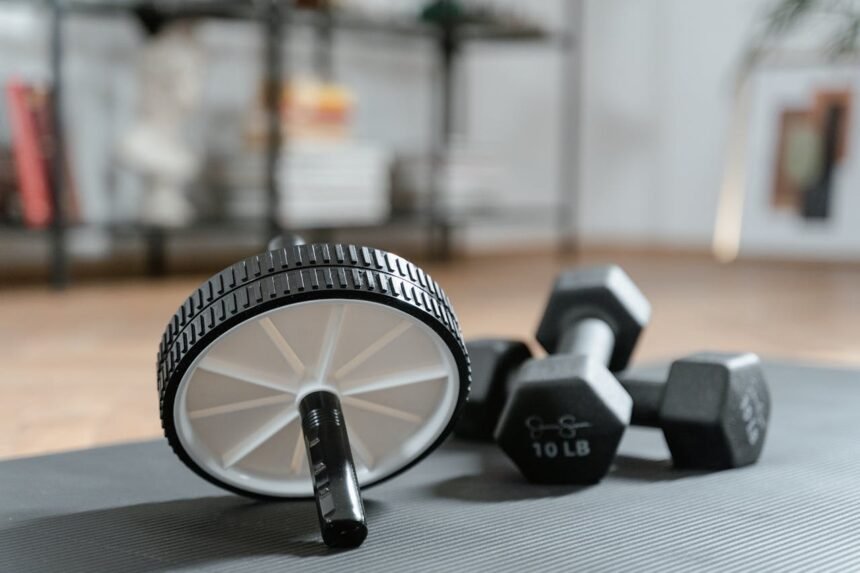
Whether you are a seasoned athlete or just starting your journey into physical activity, the path to success is rarely linear. You might find yourself hitting a plateau or feeling unmotivated after weeks of hard work. This is where a workout log becomes more than just a notebook; it becomes a roadmap to your success. By meticulously tracking your efforts, you transition from “guessing” to “knowing” exactly how your body responds to stress and recovery.
In this guide, we will explore the science behind tracking, how to utilise a workout log to smash your personal bests (PBs), and why this simple habit is the cornerstone of long-term health and fitness.
The Science of Progress: Why Tracking Matters
At its core, fitness is an adaptation. To see changes in your physique or performance, you must apply the principle of progressive overload. This involves gradually increasing the stress placed upon the body during exercise. Without a workout log, remembering exactly how many kilograms you lifted or how many seconds you shaved off your sprint last Tuesday becomes nearly impossible.
Research published in Nature suggests that self-monitoring is a significant predictor of weight loss and exercise adherence. When you record your data, you create a feedback loop that reinforces positive behaviour. This “habit stacking” makes it easier to stick to your strength training or aerobic capacity goals over months and years.
The Benefits of Keeping a Detailed Log
- Identifying Performance Plateaus: A log helps you spot exactly when your progress stalls, allowing you to adjust your training volume.
- Injury Prevention: By reviewing your history, you can identify if you are overtraining or if certain exercises cause recurring discomfort, aiding in injury prevention.
- Mental Health Benefits: Seeing your growth on paper provides a massive psychological boost, contributing to the mental health benefits of a regular routine.
- Precision in Goal Setting: Tracking allows for SMART goal setting based on real-world data rather than wishful thinking.
Choosing Your Tool: Digital vs. Paper
The best workout log is the one you will actually use. Some prefer the tactile feel of a physical journal, while others opt for the convenience of fitness apps. Below is a comparison to help you decide which method suits your lifestyle.
| Feature | Digital (Fitness Apps) | Analogue (Paper Journal) |
|---|---|---|
| Ease of Use | Fast, often includes drop-down menus. | Requires manual writing; no battery needed. |
| Data Analysis | Automatic charts and graphs of fitness progress. | Requires manual calculation of totals. |
| Distraction Level | High (notifications from other apps). | Zero distractions; keeps you off your phone. |
| Customisation | Limited by the app’s interface. | Infinite; draw, highlight, or add notes anywhere. |
What Should You Actually Track?
To get the most out of your workout log, you need to record more than just the names of the exercises. To maximise muscle hypertrophy and strength, specific metrics are vital. You should aim to document:
- Exercises, Sets, and Reps: The foundation of your training volume.
- Weight/Resistance: Essential for tracking your personal bests (PBs).
- Rest Intervals: Controlling rest intervals can significantly impact metabolic stress and recovery.
- Rate of Perceived Exertion (RPE): How hard did the set feel on a scale of 1-10?
- Tempo: The speed at which you perform the repetitions.
- Notes on Form: Did you feel a particular “mind-muscle connection”? This is key for injury prevention.
Maximising Muscle Growth and Strength
When aiming for muscle hypertrophy, your workout log acts as a witness to your consistency. According to the Harvard Health guide on strength, consistency is the primary driver of physiological change. By reviewing your log, you can ensure you are not repeating the same weights every week, which is a common reason for performance plateaus.
Furthermore, tracking your cardiovascular sessions is just as important. Monitoring your heart rate and duration helps improve your aerobic capacity, ensuring a well-rounded approach to fitness. The National Institutes of Health (NIH) emphasises that a combination of strength and cardio is optimal for metabolic health.
The Psychology of the Log: Habit Stacking
The simple act of opening your workout log at the start of a session is a powerful “trigger” in the habit stacking process. It signals to your brain that it is time to focus. Over time, the satisfaction of ticking off a completed session becomes a reward in itself, significantly increasing exercise adherence.
If you find yourself struggling with gym motivation, look back at your first week of entries. Comparing where you started to where you are now is often the only fuel you need to keep going.
Advanced Tracking: Beyond the Gym Floor
A truly comprehensive workout log doesn’t stop when you leave the weight room. To truly optimise your performance, consider tracking variables that happen outside the gym:
- Sleep Quality: Did you get 7-9 hours? Sleep is where the actual repair happens.
- Nutrition: Are you hitting your protein targets to support repair?
- Stress Levels: High external stress can lower your recovery capacity.
- Body Metrics: Weight, body fat percentage, or simple measurements.
By correlating these factors with your gym performance, you might discover that your “bad” sessions always follow a night of poor sleep, allowing you to make smarter lifestyle choices.
Frequently Asked Questions (FAQs)
How often should I update my workout log?
For the best results, you should update your workout log in real-time during your session. Recording sets and reps immediately after you perform them ensures the highest level of accuracy and prevents you from forgetting the specifics of your training volume.
Can I use a workout log for home workouts?
Absolutely. Whether you are doing bodyweight exercises, yoga, or using resistance bands, a workout log is just as effective. Tracking progress in aerobic capacity or the number of push-ups you can perform is vital for maintaining exercise adherence outside of a traditional gym environment.
What if I miss a week of logging?
Don’t worry. Fitness is a lifelong journey, not a sprint. If you miss a few days or even a week, simply pick up where you left off. Use your previous entries to determine a safe starting point to avoid injury and slowly build back up to your personal bests (PBs).
Do I need an expensive app to track my fitness?
Not at all. While many fitness apps offer great features, a simple spiral-bound notebook and a pen are often more than enough to see incredible results. The key is the consistency of the data you collect, not the price of the tool you use.
Final Thoughts
In a world of complex fitness fads, the humble workout log remains one of the most effective tools for achieving your goals. It provides clarity, encourages progressive overload, and serves as a permanent record of your dedication. By turning your workouts into data, you empower yourself to make informed decisions about your health, avoid performance plateaus, and stay motivated for the long haul. Start your log today and watch your fitness progress transform from a hope into a reality.