In our increasingly digital world, the disconnect between humans and the natural environment has never been more profound. As stress levels rise, many individuals are looking toward nature-based healing as a way to reclaim their health. This surge in interest has led to the rise of the forest therapy school, a specialised institution designed to train professionals in the Japanese art of Shinrin-yoku, or forest bathing.
Whether you are a healthcare professional looking to expand your practice or someone seeking a profound career change, understanding what a forest therapy school offers is the first step toward a more grounded future. This article explores the curriculum, the scientific benefits, and the professional opportunities available in this growing field.
What is Forest Therapy?
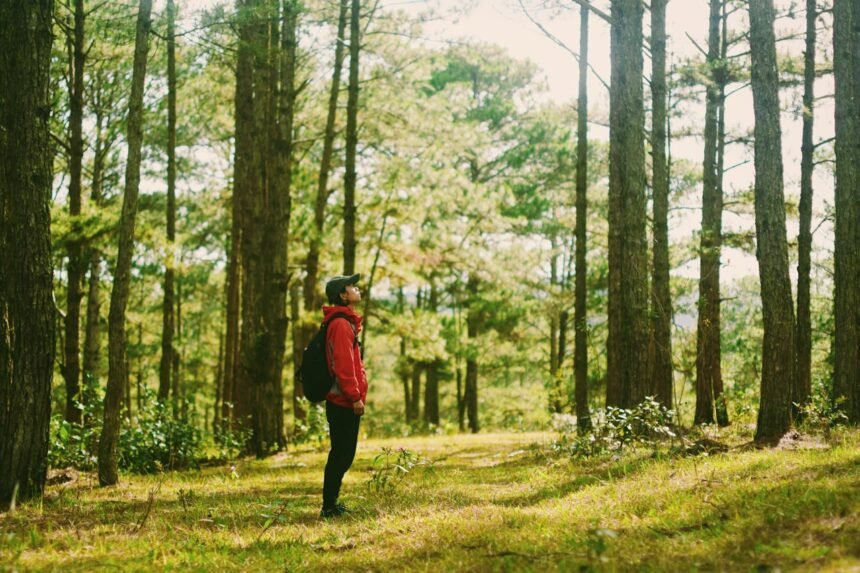
Forest therapy is more than just a walk in the woods. It is a research-based framework for supporting mental well-being through immersion in natural environments. Unlike hiking, which is often goal-oriented, forest therapy focuses on sensory immersion and slowing down to engage with the present moment.
Research published in Nature suggests that spending just 120 minutes a week in nature can significantly boost health. A forest therapy school teaches students how to facilitate this experience for others, bridging the gap between clinical health and the natural world.
The Role of a Forest Therapy School
A reputable forest therapy school provides the structured professional development necessary to lead groups safely and effectively. These programmes often combine outdoor education with psychological theories and physiological science. Students learn how to craft “invitations”—sensory exercises that help participants connect with the land.
Key components of the curriculum typically include:
- Ecopsychology: Understanding the emotional connection between humans and the earth.
- Safety and Ethics: Learning risk management and how to respect local ecosystems.
- Facilitation Skills: Mastering the art of guiding without intruding on a participant’s personal experience.
- Plant Identification: Basic botanical knowledge to enhance the forest bathing experience.
Why Become a Certified Forest Therapy Guide?
Earning a qualification as a certified forest therapy guide offers a unique path into the holistic wellness industry. As stress reduction becomes a priority for corporate wellness programmes and public health initiatives, the demand for trained guides is increasing.
According to the NHS, connecting with others and being mindful are key pillars of mental health. Forest therapy guides facilitate both. By attending a forest therapy school, you gain the credentials to work with schools, hospitals, and private retreats.
Comparing Training Options
When choosing a forest therapy school, it is essential to compare the different formats available. Some offer intensive in-person retreats, while others provide ecotherapy training through hybrid online models.
| Programme Feature | Short Workshops | Full Certification |
|---|---|---|
| Duration | 2–5 Days | 6 Months – 1 Year |
| Depth of Study | Introductory techniques | Advanced mindfulness in nature and clinical theory |
| Career Outcome | Personal enrichment | Professional certified forest therapy guide status |
| Ideal For | Hobbyists | Aspiring therapists and wellness coaches |
The Science of Nature-Based Healing
The curriculum at a high-quality forest therapy school is grounded in biology. For example, trees emit organic compounds called phytoncides. Studies cited by Science Daily show that breathing in these compounds can increase the count of human Natural Killer (NK) cells, which help fight infection and cancer.
Furthermore, Mayo Clinic highlights that physical activity in green spaces lowers cortisol levels more effectively than indoor exercise. This scientific backing is why restorative environments are becoming a staple in community health planning.
Integrating Forest Therapy into Other Disciplines
Many students at a forest therapy school are already professionals in related fields. They use the training to enhance their existing practices:
- Psychotherapists: Incorporating ecotherapy training to provide sessions outdoors.
- Occupational Therapists: Using horticultural therapy techniques alongside forest immersion.
- Corporate Consultants: Leading stress reduction workshops for high-pressure industries.
- Teachers: Enhancing outdoor education programmes with mindfulness elements.
Organisations like Mind UK advocate for these nature-based interventions as a way to manage anxiety and depression.
Choosing the Right Forest Therapy School
With the rise of “greenwashing,” it is vital to select a forest therapy school that adheres to international standards. Look for programmes that require a certain number of practicum hours and offer mentorship. Research from Harvard Health emphasises that the quality of the nature intervention matters as much as the duration.
Consider the following when researching schools:
- Does the school offer professional development credits?
- Is the curriculum inclusive of diverse physical abilities?
- Do they provide a global network for their graduates?
The Global Impact of Forest Therapy
The World Health Organization notes that mental health conditions are on the rise globally. As a response, forest therapy school graduates are working on the front lines of community health. In the UK, organisations like Kew Gardens are championing the importance of plant diversity for human psychological health.
Experts at University College London have also found that nature-based activities can significantly reduce social isolation. By training at a forest therapy school, you are joining a global movement dedicated to healing the relationship between people and the planet.
For more insights into how nature affects the brain, you might explore the National Geographic archives on the “Nature Fix.” Additionally, resources from Psychology Today provide deeper dives into the psychological mechanisms of forest bathing.
Frequently Asked Questions (FAQs)
What qualifications do I need to enter a forest therapy school?
Most schools do not require specific degrees, but a background in healthcare, education, or environmental science can be beneficial. A passion for nature and a desire to help others are the most important prerequisites.
Is forest therapy the same as ecotherapy?
While they are related, they differ in scope. Forest therapy is a specific practice focused on sensory immersion in wooded areas, whereas ecotherapy is a broader umbrella term that includes various nature-based clinical treatments.
Can I practice forest therapy in urban areas?
Yes. A forest therapy school will teach you how to adapt techniques for urban parks and botanical gardens. The goal is to find restorative environments wherever they are available. For tips on finding green spaces, check the Mental Health Foundation.
How long does it take to become a guide?
Most professional certification programmes take between six months and a year to complete. This includes theoretical study, intensive workshops, and a supervised practicum period. Professional bodies like Medical News Today often highlight the importance of rigorous training for those entering the wellness field.