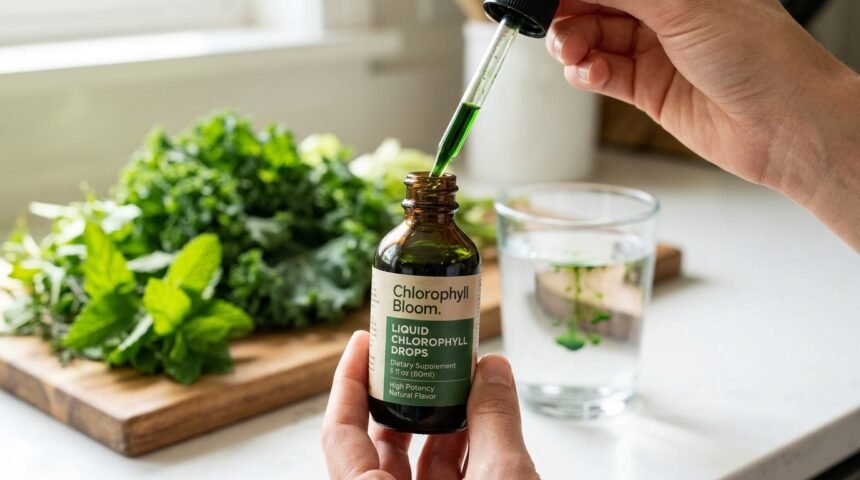
If you have spent any time on social media recently, you have likely seen influencers stirring a deep, forest-green elixir into their morning water. These are liquid chlorophyll drops, and they have become a staple for those seeking a plant-based supplements boost. Often referred to as “nature’s life force,” chlorophyll is the pigment responsible for giving plants their vibrant colour and helping them convert sunlight into energy through photosynthesis.
But beyond the aesthetic appeal of a green-tinted glass of water, what does the science say? While plants cannot survive without it, humans are increasingly turning to concentrated versions of this pigment to enhance their well-being. From skin health benefits to supporting energy levels boost, the claims are vast. In this guide, we will explore the evidence, the potential risks, and how to effectively utilise this supplement in your daily routine.
What Exactly Are Liquid Chlorophyll Drops?
Most liquid chlorophyll drops do not actually contain pure chlorophyll, as it is fat-soluble and difficult for the human body to absorb in its natural state. Instead, most supplements use chlorophyllin copper complex. This is a semi-synthetic, water-soluble version of chlorophyll that is much better absorbed by the gastrointestinal tract.
According to the Oregon State University Micronutrient Information Centre, chlorophyllin has been used for decades in various medical applications. These mineral-rich drops typically contain copper and sodium, making them a stable and bioavailable way to ingest the essence of green leafy vegetables without eating a mountain of kale.
The Science-Backed Benefits of Chlorophyll
While research is ongoing, several studies and anecdotal reports suggest that liquid chlorophyll drops offer a range of health advantages. Here are the most prominent reasons people are adding them to their wellness kits:
1. Skin Health and Wound Healing
One of the most popular skin health benefits attributed to chlorophyll is its ability to reduce inflammation and bacterial growth. Research published via PubMed suggests that topical and oral chlorophyllin may help improve signs of photoageing and acne. Furthermore, it has historical use for its wound healing properties, helping to reduce the odour associated with slow-healing injuries.
2. Natural Internal Deodorant
Perhaps its most famous claim is acting as a natural internal deodorant. For over 50 years, clinicians have utilised chlorophyllin to help reduce body and breath odours in patients. The Mayo Clinic notes that it is often used to manage the scent of colostomies and ileostomies, highlighting its potent deodorising capabilities.
3. Antioxidant and Immune Support
Chlorophyll is packed with antioxidant properties. These antioxidants help neutralise free radicals, which are unstable molecules that can damage cells. By reducing oxidative stress, you may support your immune system function and overall cellular health. Some studies even suggest it may provide detoxification support by binding to environmental toxins and heavy metals.
4. Energy and Red Blood Cell Support
Some proponents suggest that chlorophyll can help with red blood cell production due to its chemical structure being remarkably similar to haemoglobin—the protein in our blood that carries oxygen. While humans use iron instead of magnesium at the centre of the molecule, many users report an energy levels boost after consistent supplementation.
How to Use Liquid Chlorophyll Drops
Incorporating these drops into your routine is incredibly simple, but there are a few things to keep in mind to avoid a green mess in your kitchen:
- Start Small: Begin with the manufacturer’s lowest recommended dose, usually around 100mg per day.
- Dilute Well: Add the drops to a large glass of water, juice, or a smoothie. It has a mild, earthy, or minty taste depending on the brand.
- Be Mindful of Stains: Chlorophyll is a powerful dye. It will stain your teeth, clothes, and countertops if you aren’t careful.
- Consistency is Key: Like most plant-based supplements, you are unlikely to see changes overnight. Consistent use over several weeks is usually required.
Comparison: Liquid vs. Other Forms
When choosing how to consume your “greens,” it helps to compare the different delivery methods available on the market.
| Form | Absorption Rate | Pros | Cons |
|---|---|---|---|
| Liquid Drops | High (Water-soluble) | Fast-acting, easy to mix, hydrating. | Can stain teeth and surfaces. |
| Capsules | Moderate | No taste, mess-free, convenient for travel. | Takes longer to break down in the gut. |
| Powder | Moderate to High | Often mixed with other superfoods. | Can be clumpy or have a gritty texture. |
Potential Side Effects and Safety
While generally considered safe by the FDA and other health authorities, liquid chlorophyll drops can cause some minor side effects. It is always best to consult with a healthcare professional before starting a new supplement, especially if you are pregnant or breastfeeding.
- Digestive Issues: Some people report digestive health improvement, but others may experience mild stomach cramps or diarrhoea if they take too much.
- Discoloured Stools: Do not be alarmed if your bowel movements turn a shade of green. This is a normal effect of the pigment passing through your system.
- Skin Sensitivity: In rare cases, oral chlorophyll can lead to photosensitivity, making your skin more prone to sunburn.
According to the NHS, a balanced diet should provide most of the nutrients you need, so supplements should be seen as an “extra” rather than a replacement for whole vegetables.
Who Should Try Chlorophyll Drops?
If you are looking for an alkaline diet supplement to balance your body’s pH or seeking a weight management aid to complement a healthy lifestyle, these drops might be for you. Many people find that it helps with oral hygiene benefits, keeping their breath fresh from the inside out. However, those with chronic kidney issues or those taking blood-thinning medication should seek advice from their GP, as noted by Cleveland Clinic experts.
For more information on the phytochemical properties of plants, you can visit Nature.com or explore the British Nutrition Foundation for dietary guidelines. Research from ScienceDirect continues to investigate whether chlorophyll can play a role in long-term disease prevention, specifically its interaction with certain carcinogens as detailed by Cancer Research UK.
Final Thoughts
While liquid chlorophyll drops are not a “miracle cure,” they offer a convenient and evidence-supported way to boost your intake of plant-derived compounds. Whether you want to improve your skin, manage body odour, or simply add more antioxidants to your diet, these green drops are a low-risk addition to a healthy lifestyle. For further reading on safe supplementation, the Mount Sinai Health Library and Harvard Health Publishing offer excellent resources on making informed choices.
Remember, the best way to get chlorophyll is still through fresh, green vegetables. But for that extra edge in your wellness routine, a few drops of green might be exactly what you need.
Frequently Asked Questions (FAQs)
Do liquid chlorophyll drops actually help with acne?
Some clinical evidence and many anecdotal reports suggest that chlorophyll’s anti-inflammatory and antibacterial properties can help reduce acne breakouts. It may also help improve skin texture over time, though it works best alongside a consistent skincare routine.
Can I take chlorophyll drops every day?
Yes, most people can safely take chlorophyll drops daily. However, it is important to stick to the recommended dosage on the product label. If you experience any digestive discomfort, try reducing the dose or taking it every other day.
Will chlorophyll drops stain my teeth?
Because chlorophyll is a potent natural pigment, it can occasionally leave a slight green tint on the teeth if consumed in a highly concentrated form. To prevent this, ensure you dilute the drops in at least 250ml of water and rinse your mouth or brush your teeth after drinking.
Are there any foods naturally high in chlorophyll?
Absolutely! If you prefer to get your nutrients from whole foods, focus on dark leafy greens like spinach, kale, parsley, and wheatgrass. Green beans and peas are also excellent sources of natural chlorophyll.
For more health insights, you can check out resources from The National Institutes of Health (NIH).