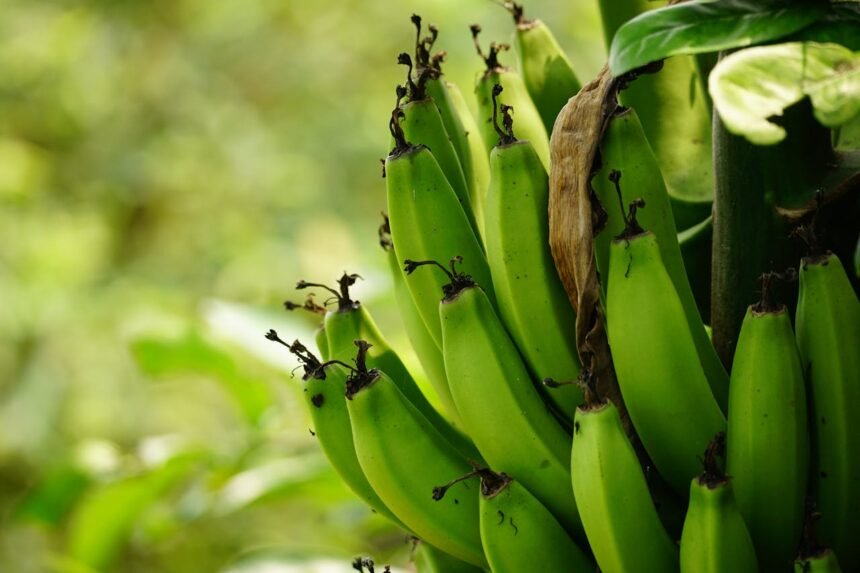
If you have been wandering through the health food aisle lately, you may have spotted a newcomer sitting alongside the almond and coconut varieties: green banana flour. While it might sound like a niche ingredient reserved for experimental bakers, this powerhouse pantry staple is gaining serious traction in the wellness community.
Derived from unripe bananas that are peeled, sliced, dried, and ground, this flour offers a unique nutritional profile that sets it apart from traditional wheat. It is not just a gluten-free alternative; it is a functional food designed to optimise your internal health.
In this guide, we will explore why this starchy flour is a game-changer for digestive wellness and how you can easily incorporate it into your daily routine.
What Exactly is Green Banana Flour?
Unlike the sweet, yellow fruit you enjoy on your porridge, green banana flour is made from fruit harvested before the sugar develops. The result is a mild, slightly nutty powder that does not taste like bananas at all. Because the fruit is picked early, it maintains a high concentration of resistant starch—a type of carbohydrate that “resists” digestion in the small intestine.
According to research published in Nature, resistant starch acts more like prebiotic fibre than a typical starch. This means it travels directly to the large intestine, where it feeds the “good” bacteria in your gut microbiome.
The Top Health Benefits of Green Banana Flour
1. Exceptional Gut Health Support
Your gut is the epicentre of your immune system. By acting as a prebiotic, green banana flour helps to optimise gut bacteria. When your beneficial bacteria ferment this starch, they produce short-chain fatty acids (SCFAs) like butyrate, which strengthen the intestinal lining and reduce inflammation.
2. Improved Blood Sugar Control
Maintaining stable glucose levels is crucial for sustained energy. Because it has a low glycemic index (GI), green banana flour prevents the rapid insulin spikes associated with refined white flours. This makes it an excellent choice for blood sugar control, particularly for those managing Type 2 diabetes or insulin resistance.
3. Aids in Weight Management
Feeling full for longer is a key component of successful weight management. The high fibre content in green banana flour promotes satiety. Studies found in PubMed suggest that resistant starch can increase the release of fullness hormones, helping you naturally reduce your calorie intake throughout the day.
4. Heart-Healthy and Potassium Rich
Bananas are famous for being potassium rich, and the flour is no different. Potassium is essential for maintaining healthy blood pressure levels and supporting muscle function. The American Heart Association highlights the importance of potassium in mitigating the effects of sodium on the cardiovascular system.
Nutritional Comparison: How Does It Stack Up?
When choosing a flour, it is helpful to see how green banana flour compares to other popular options. It is notably lower in fat than nut flours and higher in essential minerals.
| Feature | Green Banana Flour | Wheat Flour | Almond Flour |
|---|---|---|---|
| Gluten-Free | Yes | No | Yes |
| Resistant Starch | Very High | Very Low | Low |
| Glycemic Index | Low | High | Low |
| Main Benefit | Prebiotic Power | Elasticity (Gluten) | Healthy Fats |
How to Use Green Banana Flour in Your Kitchen
You do not need to be a professional chef to utilise this sustainable flour. However, because of its high starch content, it behaves differently than wheat flour. Here is how to master it:
- The 3/4 Rule: When using it as a baking substitute, use 25% less than the amount of wheat flour called for in the recipe (e.g., if a recipe asks for 100g of wheat flour, use 75g of green banana flour).
- Smoothie Booster: Add one or two tablespoons to your morning smoothie for a hit of prebiotics without altering the flavour.
- Thickening Agent: It works beautifully as a thickening agent for gravies, soups, and sauces. It creates a smooth texture without the clumping often found with cornflour.
- Paleo Diet Friendly: It is a staple for those following a paleo diet as it is grain-free and minimally processed.
A Note on Cooking Temperature
To maximise the mineral content and resistant starch benefits, try to consume it raw when possible (such as in energy balls or shakes). High-heat baking can convert some of the resistant starch into digestible starch, though it remains a healthier choice than refined alternatives.
Sustainability and Sourcing
Choosing green banana flour is also a win for the planet. Many producers use “ugly” bananas that would otherwise be discarded due to aesthetic imperfections, making it a highly sustainable flour option. This reduces food waste in tropical regions where Musa species are grown abundantly.
When shopping, look for organic certifications to ensure the unripe bananas used were grown without synthetic pesticides. High-quality brands will often specify the method of drying, as low-heat drying preserves the most nutritional value.
The Bottom Line
Green banana flour is more than just a trend; it is a versatile, nutrient-dense tool for anyone looking to improve their gut microbiome and overall wellness. Whether you are managing a gluten intolerance or simply want to experiment with new textures in the kitchen, this flour offers a unique blend of health benefits and culinary flexibility.
As with any dietary change, the World Health Organisation recommends focusing on a balanced intake of various whole foods. Adding a scoop of green banana flour to your diet is a simple, effective step toward better digestive wellness.
Frequently Asked Questions (FAQs)
Does green banana flour taste like bananas?
Surprisingly, no! It has a mild, earthy, and slightly nutty flavour. When baked or mixed into smoothies, it easily takes on the flavours of other ingredients, making it an incredibly versatile baking substitute.
Is it suitable for a Keto diet?
While it contains carbohydrates, the resistant starch in green banana flour is not fully absorbed by the body. Many people on low-carb diets include small amounts due to its prebiotic benefits, but it should be consumed in moderation if you are strictly tracking net carbs. For more evidence-based data, consult resources like Cochrane.
Can I replace wheat flour 1:1 in recipes?
It is generally recommended to use about 25% less green banana flour than wheat flour. Because it is so starch-heavy, using a 1:1 ratio can result in baked goods that are too dense or dry. Always check for specific gluten-free alternative recipes for the best results.