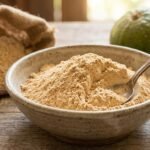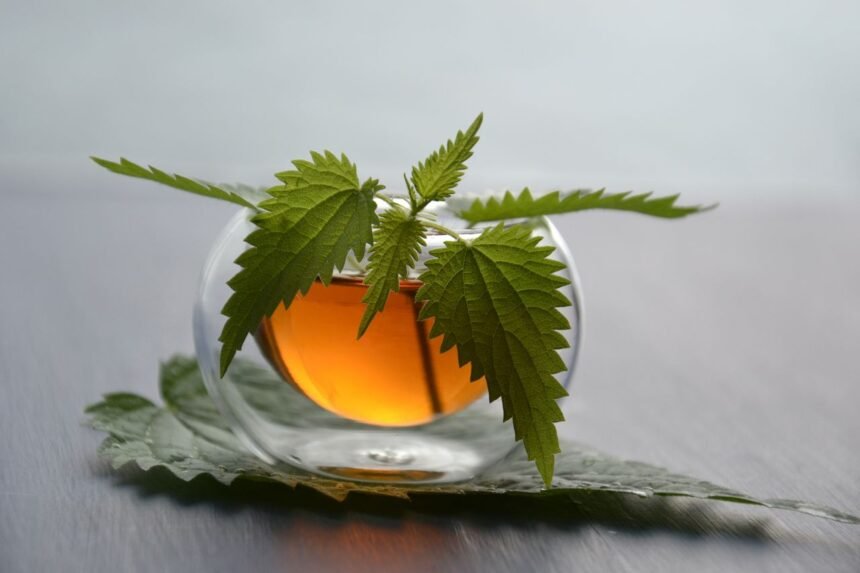
If you have ever accidentally brushed against a wild nettle plant while walking in the countryside, you likely remember the sharp, tingling sting it leaves behind. However, when dried or steeped in hot water, this “feisty” plant transforms into a soothing, earth-flavoured herbal remedy. Stinging nettle tea, derived from the Urtica dioica plant, has been utilised for centuries in traditional medicine to treat everything from joint pain to seasonal allergies.
In this guide, we will explore the science-backed reasons why you should consider adding this nettle leaf infusion to your daily routine, how it supports urinary tract health, and the best way to brew it for maximum nutrient density.
What Exactly is Stinging Nettle Tea?
Stinging nettle tea is made from the leaves of the common nettle plant. While the fresh leaves are covered in tiny, hollow hairs (trichomes) that inject chemicals like histamine and formic acid into the skin, these are completely neutralised when the plant is dried or cooked. The result is a vibrant green tea that tastes remarkably similar to spinach or green tea, but with a deeper, grassier undertone.
Beyond its unique flavour, the plant is a nutritional powerhouse. It boasts a high iron content and is rich in vitamins A, C, and K, as well as several essential minerals. Many people turn to it specifically for its potent antioxidant activity, which helps the body fight oxidative stress.
1. May Help Relieve Arthritis and Joint Pain
One of the most well-known benefits of stinging nettle tea is its ability to combat inflammation. Research suggests that the plant possesses significant anti-inflammatory properties that can interfere with the production of inflammatory hormones in the body. According to the Arthritis Foundation, nettle may help reduce the need for non-steroidal anti-inflammatory drugs (NSAIDs) in patients suffering from osteoarthritis.
By reducing systemic inflammation, regular consumption may help soothe joint pain and improve overall mobility. This makes it a popular choice for those looking for a natural way to manage chronic discomfort.
2. A Natural Solution for Seasonal Allergies
If you suffer from hay fever, you know how disruptive sneezing and itchy eyes can be. Stinging nettle tea is often used as a natural antihistamine. Some studies published in PubMed indicate that nettle extracts can inhibit the receptors that trigger allergic reactions. Because it may help block histamine production at the source, it is a staple for those seeking relief from seasonal allergies without the drowsiness often associated with over-the-counter medications.
3. Supports Prostate Health
For men, stinging nettle tea may offer specific benefits for prostate health. It is frequently used to treat the symptoms of benign prostatic hyperplasia (BPH), a condition where the prostate gland enlarges and causes difficulty with urination. While it may not shrink the gland itself, Prostate Cancer UK notes that certain herbal treatments can help manage urinary flow symptoms. The plant contains phytosterols that may prevent the conversion of testosterone into dihydrotestosterone (DHT), a hormone linked to prostate growth.
4. Aids in Regulating Blood Sugar Levels
Managing blood sugar levels is critical for overall metabolic health. Interestingly, some animal and human studies suggest that stinging nettle may help the pancreas produce or release more insulin. According to Diabetes UK, maintaining a stable diet is key, and herbal teas can be a great sugar-free alternative to juice. Some researchers found that nettle extract significantly lowered glucose levels in people with type 2 diabetes.
5. Promotes Heart Health and Blood Pressure Control
High blood pressure is a leading risk factor for heart disease. Stinging nettle tea has traditionally been used to treat hypertension. It may stimulate nitric oxide production, which acts as a vasodilator, relaxing the muscles of your blood vessels and allowing them to widen. Additionally, its diuretic effect helps the body shed excess sodium and water, further reducing pressure on the cardiovascular system. You can learn more about managing hypertension at the British Heart Foundation.
Nutritional Comparison Table
The following table outlines how stinging nettle tea compares to other popular herbal infusions in terms of its primary health focus:
| Tea Type | Primary Benefit | Key Nutrient/Compound |
|---|---|---|
| Stinging Nettle Tea | Anti-inflammatory & Allergy Relief | Quercetin & Iron |
| Peppermint Tea | Digestive Support | Menthol |
| Chamomile Tea | Sleep & Relaxation | Apigenin |
| Hibiscus Tea | Heart Health | Anthocyanins |
6. Enhances Skin Health and Healing
Due to its antimicrobial and anti-inflammatory properties, stinging nettle is often cited as a remedy for skin health issues like eczema and acne. Drinking the tea can help flush out toxins, while applying cooled nettle tea topically may reduce redness and swelling. Research shared on Medical News Today highlights the plant’s ability to accelerate wound healing and reduce the appearance of scars.
7. Rich Source of Essential Minerals
Many people struggle with low iron content in their diet, leading to fatigue or anaemia. Stinging nettle tea is an excellent plant-based source of iron and magnesium. Because it is so nutrient-dense, it is often recommended as a tonic for those recovering from illness or for women during their menstrual cycle to replenish lost minerals. For more information on mineral requirements, visit the NHS website.
8. Improves Urinary Tract Health
The diuretic effect of nettle tea makes it a fantastic tool for flushing bacteria out of the urinary tract. This can be particularly helpful for those prone to infections or kidney stones. By increasing urine output, it helps keep the system moving and prevents the crystallisation of minerals. The Mayo Clinic emphasizes the importance of hydration and flushing the system for urinary wellness.
How to Prepare the Perfect Cup
To get the most out of your stinging nettle tea, follow these simple steps to ensure you extract the maximum nutrient density:
- Choose your leaves: Use 1-2 teaspoons of dried nettle leaves or a handful of fresh (washed) leaves per cup.
- Boil water: Bring fresh, filtered water to a boil.
- Steep: Pour the water over the leaves and let it steep for at least 5 to 10 minutes. The longer you steep, the more medicinal compounds are released.
- Strain and enjoy: Strain the leaves and add a squeeze of lemon or a drop of honey if you prefer a brighter flavour.
For further reading on botanical extracts, check out Nature.com for deep-dive scientific analyses of Urtica dioica.
Potential Side Effects and Precautions
While stinging nettle tea is generally safe for most people, there are a few things to keep in mind:
- Pregnancy: It is generally advised to avoid nettle tea during pregnancy as it may stimulate uterine contractions. Consult with a professional via WHO guidelines for safe herbal use.
- Blood Thinners: Because of its high vitamin K content, it may interfere with blood-thinning medications like Warfarin.
- Low Blood Pressure: Since it can lower blood pressure, those already on medication for hypertension should monitor their levels closely.
- Diabetes: It can lower blood sugar levels, so diabetics should consult their doctor to avoid hypoglycaemia.
Always consult with a healthcare provider before adding new supplements to your regime. You can find more safety data on WebMD or the NCCIH.
The Bottom Line
From soothing joint pain to acting as a powerful herbal remedy for allergies, stinging nettle tea is a versatile and effective addition to a healthy lifestyle. Its impressive nutrient density and antioxidant activity make it more than just a common weed—it is a true superfood in a cup. Whether you are looking to support prostate health or simply want a caffeine-free boost of minerals, this ancient infusion delivers.
For more evidence-based information on herbal supplements, browse the Cochrane Library or ScienceDirect.
Frequently Asked Questions (FAQs)
Does stinging nettle tea contain caffeine?
No, stinging nettle tea is naturally caffeine-free, making it an excellent choice for a calming evening beverage or for those looking to reduce their stimulant intake.
How many cups of nettle tea can I drink a day?
Most experts suggest that 1 to 3 cups per day are safe for healthy adults. However, because of its diuretic effect, it is important to stay hydrated with plenty of water as well.
Can I pick my own stinging nettles for tea?
Yes, but you must wear gloves to avoid the sting! Ensure you harvest from a clean area away from roads and pesticides. The best leaves are the young, tender ones found in early spring. You can read more about plant identification on Healthline.
What does stinging nettle tea taste like?
The taste is often described as “green” and earthy. It is similar to a strong green tea or steeped spinach. If the flavour is too grassy for you, try blending it with peppermint or raspberry leaf.