In the rapidly evolving world of nutrition, the quest for the perfect protein source often leads us to familiar places: whey, soy, or perhaps hemp. However, a new champion has emerged in the wellness space, favoured by athletes and health enthusiasts alike. Green pea protein—typically derived from the nutrient-dense yellow split peas—is no longer just a niche alternative for those on a plant-based diet. It is a high-quality, versatile, and environmentally friendly nutrient source that holds its own against traditional animal-based supplements.
Whether you are looking to build muscle, manage your weight, or simply diversify your protein intake, understanding the science behind this legume-based supplement is essential. In this guide, we will explore the nutritional benefits, the unique amino acid profile, and how you can seamlessly integrate it into your lifestyle.
What Exactly is Green Pea Protein?
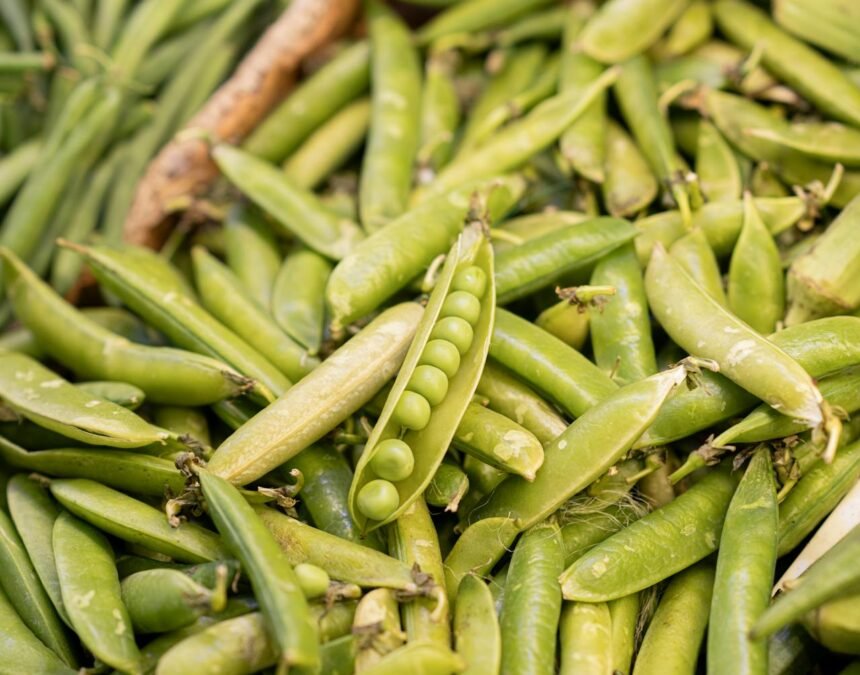
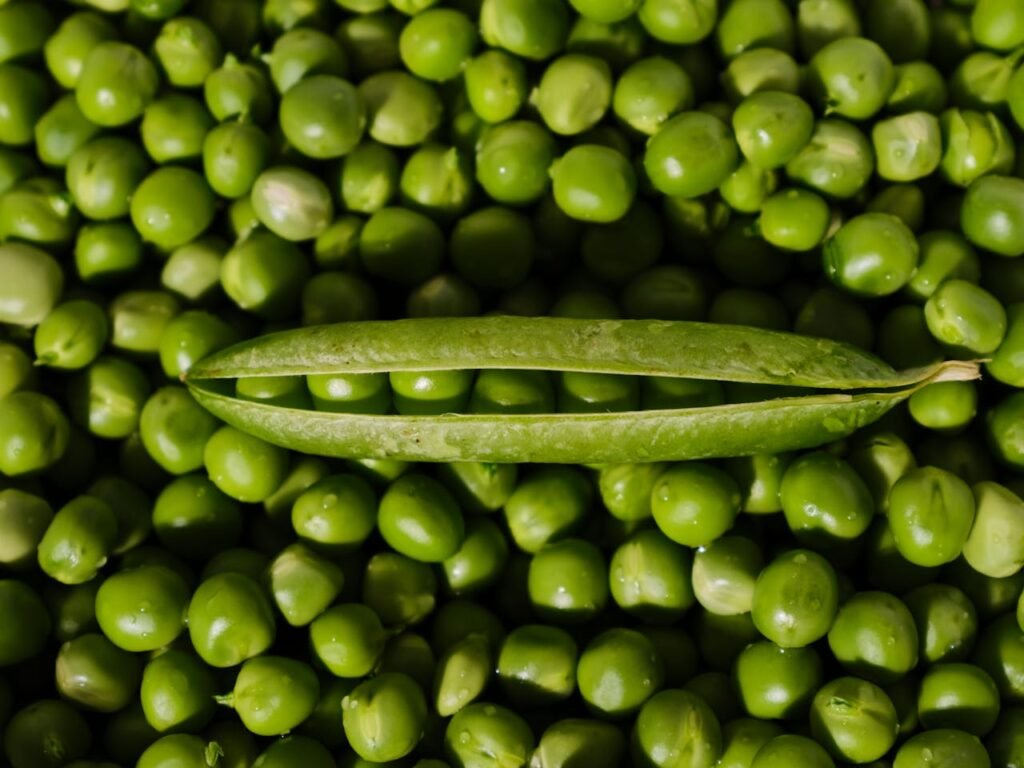
Contrary to what the name might suggest, most green pea protein powders are actually made from yellow peas (Pisum sativum). These peas are dried and ground into a fine flour. Through a process of filtration, the starch and dietary fibre are removed, leaving behind a concentrated protein isolate. This process results in a product that is naturally hypoallergenic, making it an excellent choice for individuals with sensitivities to dairy, gluten, or soy.
One of the most appealing aspects of this protein is its high digestibility. Unlike some plant proteins that can cause bloating or digestive discomfort, pea protein is gentle on the gut and boasts a high absorption rate, ensuring your body can effectively utilise the nutrients provided.
The Nutritional Powerhouse: Why It Works
Pea protein is often lauded as a “complete” protein, meaning it contains all nine essential amino acids that the body cannot produce on its own. While it is slightly lower in methionine than animal proteins, it is exceptionally rich in branched-chain amino acids (BCAAs) like leucine, isoleucine, and valine.
Muscle Growth and Recovery
For those focused on fitness, the presence of BCAAs is crucial. These specific amino acids are the building blocks of muscle tissue and play a primary role in muscle protein synthesis. Research published in the Journal of the International Society of Sports Nutrition suggests that pea protein is just as effective as whey protein at promoting muscle thickness when paired with resistance training.
Weight Management and Satiety
If you are following a low-carbohydrate diet to manage weight, green pea protein can be a secret weapon. It has been shown to increase satiety, the feeling of fullness, more effectively than many other protein powders. This is partly due to how it interacts with hunger hormones like ghrelin. By slowing down digestion and signalling to the brain that you are full, it can help reduce overall calorie intake throughout the day.
Green Pea Protein vs. Whey: How They Compare
When choosing between vegan supplements and traditional dairy-based options, it helps to see the data side-by-side. Both have distinct advantages depending on your dietary requirements and health goals.
| Feature | Green Pea Protein | Whey Protein |
|---|---|---|
| Source | Yellow/Green Peas (Plant) | Milk (Animal) |
| Allergens | Hypoallergenic (Dairy/Soy free) | Contains Lactose |
| BCAA Content | High | Very High |
| Iron Content | High (Plant-based iron) | Low |
| Sustainability | Highly Sustainable | Higher Environmental Impact |
Unexpected Health Benefits
Beyond muscle building, green pea protein offers several systemic health benefits that are often overlooked:
- Heart Health: Studies have indicated that pea protein may help lower blood pressure. High levels of arginine found in peas help blood vessels relax and dilate, improving circulation. You can learn more about managing hypertension at the American Heart Association.
- Iron Absorption: Pea protein is a fantastic source of non-heme iron. To further optimise iron absorption, it is recommended to consume it alongside Vitamin C, which helps the body process plant-based minerals more efficiently.
- Kidney Support: While high protein intake is often a concern for those with kidney function issues, some research suggests that plant proteins may be easier on the kidneys than animal proteins. Consult with experts at the National Kidney Foundation for personalised advice.
- Diabetes Management: Because it has a low glycaemic index, pea protein helps maintain stable blood sugar levels, which is vital for those managing type 2 diabetes. Support resources are available via Diabetes UK.
The Environmental Edge: A Sustainable Protein
Choosing a sustainable protein source is increasingly important for the conscious consumer. Peas are nitrogen-fixing crops, meaning they require less synthetic fertiliser and actually improve the health of the soil in which they grow. Furthermore, pea production requires significantly less water compared to livestock or even other crops like almonds. As highlighted by the World Health Organization, shifting toward plant-based diets is a key step in global environmental preservation.
How to Use Green Pea Protein
The beauty of pea protein lies in its versatility. It has a slightly earthy flavour and a smooth texture that blends well into various recipes. Here are some simple ways to include it in your diet:
- Morning Smoothies: Blend one scoop with almond milk, a banana, and a handful of spinach for a balanced start.
- Baking: Replace up to 25% of the flour in pancake or muffin recipes with pea protein powder to boost the nutritional profile.
- Porridge: Stir it into your morning oats after cooking for a creamy, protein-rich breakfast.
- Savoury Soups: Because it is not overly sweet, unflavoured pea protein can be whisked into soups or stews as a thickening agent.
For more dietary inspiration, the Mayo Clinic offers extensive resources on incorporating plant-based proteins into your daily meals.
Precautions and Considerations
While green pea protein is generally safe for most people, there are a few things to keep in mind. Some commercial brands may contain added sodium or thickeners, so always read the label to ensure you are getting a clean product. If you have a history of gout, consult your doctor, as peas contain purines which can increase uric acid levels. Research on plant metabolites can be found at Nature.com.
Additionally, while pea protein is excellent, it is always best to consume a variety of protein sources to ensure a broad spectrum of micronutrients. Peer-reviewed studies in The Journal of Nutrition emphasize the importance of protein variety for long-term health.
Frequently Asked Questions (FAQs)
Does green pea protein taste like peas?
Most high-quality isolates have a very mild, neutral, and slightly nutty flavour. When mixed with fruits, cocoa, or vanilla, the “pea” taste is virtually undetectable. It is much less “gritty” than hemp protein but slightly more “earthy” than whey.
Is pea protein better than soy protein?
Both are excellent vegan supplements. However, pea protein is often preferred because it is non-GMO and free from common allergens. Soy contains phytoestrogens, which some people prefer to avoid, whereas pea protein does not have this concern. Detailed comparisons are often featured in Nutrients Journal.
Can I build muscle using only pea protein?
Yes. As long as you are hitting your total daily protein targets and engaging in regular resistance training, pea protein provides all the essential amino acids and branched-chain amino acids (BCAAs) necessary for muscle repair and growth. For further reading on protein bioavailability, visit ScienceDirect.
Final Thoughts
The rise of green pea protein is a testament to the power of plant-based nutrition. It offers a unique combination of digestibility, muscle-building potential, and heart-health benefits, all while being kind to the planet. Whether you are an elite athlete or someone just looking to improve your daily wellness, this humble legume deserves a spot in your pantry.