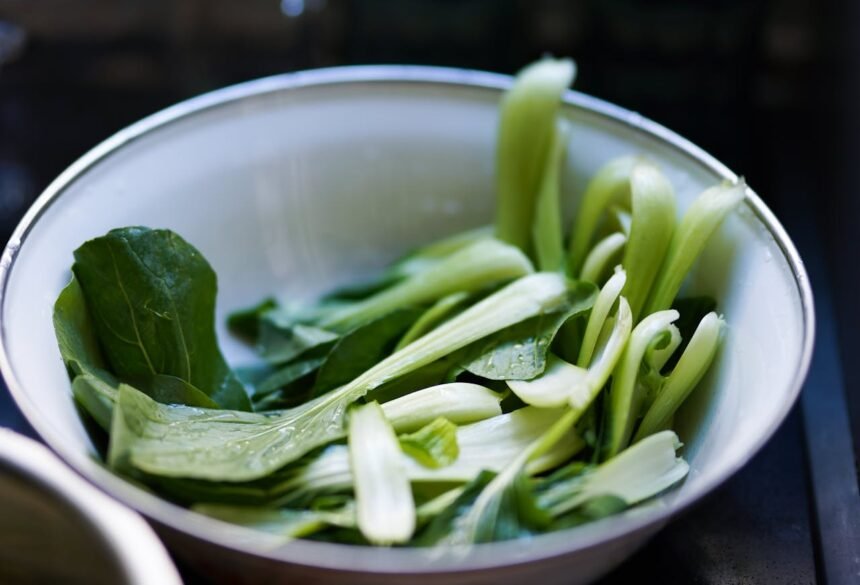
When it comes to balancing a busy lifestyle with healthy eating, few dishes rival the bok choy stirfry. This vibrant, crunchy, and nutrient-dense meal is a staple in Asian cuisine for a reason. Not only does it take less than ten minutes to prepare, but it also serves as a powerhouse of essential vitamins and minerals.
Whether you are a seasoned home cook or a beginner looking for a quick weeknight dinner, mastering the art of the stir-fry can transform your approach to leafy greens. In this guide, we will explore the health benefits of this Chinese cabbage, how to perfectly execute high heat cooking, and how to customise your flavours for a gourmet experience at home.
Why Bok Choy Should Be in Your Kitchen
Bok choy, a member of the cruciferous vegetables family, is more than just a side dish. It is a source of complex micronutrients that support everything from bone health to immune function. Unlike some other greens that become bitter when cooked, bok choy maintains a mild, sweet flavour and a satisfyingly crisp texture.
According to the NHS, incorporating a variety of vegetables into your diet is crucial for long-term wellness. Bok choy is particularly notable for its high vitamin C content, which acts as a potent antioxidant to protect your cells from oxidative stress.
Nutritional Comparison: Bok Choy vs. Other Greens
To help you understand where this vegetable sits in your diet, consider the following comparison of 100g of raw greens based on FoodData Central metrics:
| Vegetable (100g) | Calories | Vitamin C (% DV) | Vitamin A (% DV) | Calcium (% DV) |
|---|---|---|---|---|
| Baby Bok Choy | 13 | 75% | 89% | 10% |
| Spinach | 23 | 47% | 188% | 10% |
| Kale | 49 | 200% | 199% | 15% |
The Science of the Perfect Bok Choy Stirfry
Creating a restaurant-quality bok choy stirfry requires more than just throwing ingredients into a pan. The secret lies in managing the moisture content of the stalks versus the leaves. Because the stalks are thicker, they require a slightly longer cooking time than the delicate green tops.
To achieve the perfect “wok hei” (breath of the wok), you must utilise high heat cooking. This sears the vegetables quickly, locking in the dietary fibre and preventing the greens from becoming soggy. Studies published in ScienceDirect suggest that brief stir-frying can actually preserve more nutrients compared to boiling or deep-frying.
Essential Ingredients for Success
- Baby bok choy: These are smaller, more tender, and ideal for quick cooking.
- Ginger and garlic: These aromatics provide the base flavour profile and offer anti-inflammatory benefits, as noted by Healthline.
- Sesame oil: A finishing oil that adds a toasted, nutty aroma.
- Soy sauce: For umami and saltiness (choose a reduced-sodium version for heart health).
- Liquid aminos: A great gluten-free option for those with celiac disease, as recommended by Coeliac UK.
Step-by-Step Bok Choy Stirfry Guide
Follow these steps to create a balanced meal that pairs beautifully with plant-based protein like tofu or lean meats like chicken breast.
- Preparation: Wash the bok choy thoroughly to remove any grit between the stalks. Slice them lengthways into halves or quarters.
- The Sauce: Whisk together your stir-fry sauce recipe. A simple mix of soy sauce, a splash of rice vinegar, and a teaspoon of honey or maple syrup works perfectly.
- The Sizzle: Heat a wok or large frying pan over high heat with a high-smoke-point oil (like rapeseed or peanut oil).
- Aromatics: Toss in minced ginger and garlic for 30 seconds until fragrant.
- The Veg: Add the bok choy. If using mature Chinese cabbage, add the stalks first, then the leaves 2 minutes later.
- The Finish: Pour the sauce over the greens, toss for 1 minute, and remove from heat. Drizzle with sesame oil before serving.
Customising Your Dish
The beauty of a bok choy stirfry is its versatility. If you are looking for a vegan alternative to traditional sauces, consider an oyster sauce substitute made from mushrooms. This provides the same thick, savoury glaze without the seafood. For those monitoring their cardiovascular health, the British Heart Foundation suggests limiting added salt by using lime juice or chilli flakes for an extra kick instead.
Adding toasted sesame seeds or sliced almonds can provide a delightful crunch and a boost of healthy fats. If you are managing diabetes, pairing these greens with a high-fibre grain like brown rice can help stabilise blood sugar levels, according to Diabetes UK.
Health Benefits: More Than Just Calories
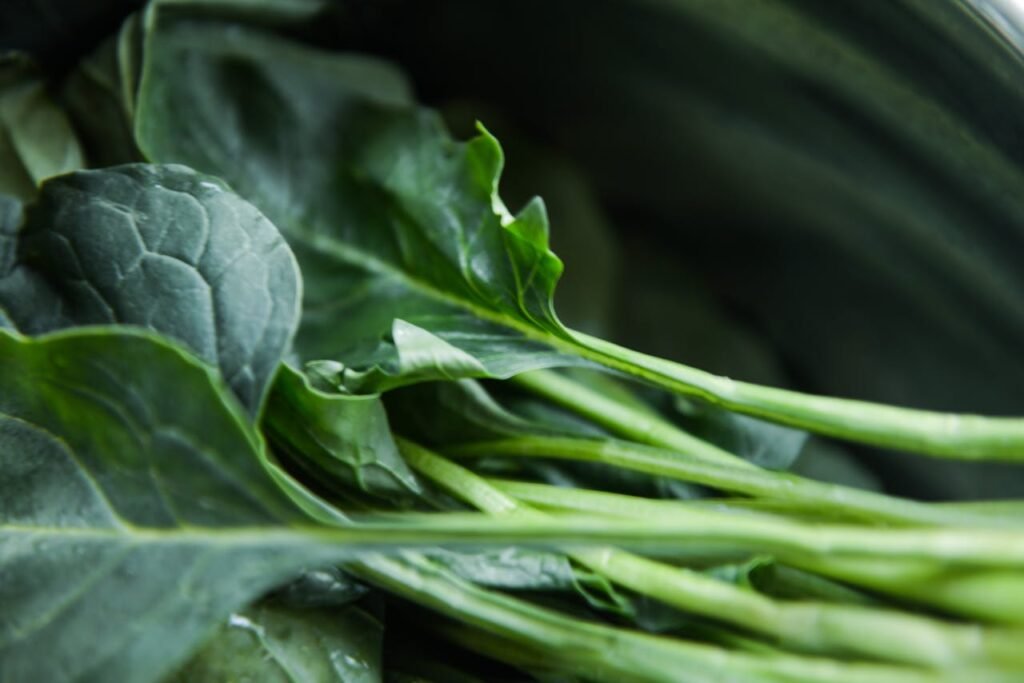
Beyond the macronutrients, bok choy contains unique phytochemicals. Research found on Nature.com highlights that cruciferous vegetables contain glucosinolates, which may play a role in cancer prevention by protecting DNA from damage. Furthermore, the vitamin C content in leafy greens supports collagen production, essential for skin elasticity and joint health, as detailed by Medical News Today.
For those focused on weight management, bok choy is an excellent high-volume, low-calorie food. It allows you to feel full due to the dietary fibre without consuming excessive energy, a strategy often recommended by the Harvard T.H. Chan School of Public Health.
Frequently Asked Questions (FAQs)
Can I use mature bok choy instead of baby bok choy?
Yes, you can. However, mature Chinese cabbage has much tougher stalks. It is best to chop the stalks into smaller pieces and start cooking them a few minutes before you add the leaves to ensure even flavour and texture.
Is bok choy stirfry keto-friendly?
Absolutely. Bok choy is very low in carbohydrates. To keep the dish keto-compliant, ensure your stir-fry sauce recipe does not include sugar or cornstarch. Use a gluten-free option like tamari or coconut aminos for seasoning.
How do I store leftovers?
While a bok choy stirfry is best enjoyed fresh, you can store it in an airtight container in the fridge for up to two days. Be aware that the leaves will lose their crunch upon reheating. To refresh the dish, consider adding a squeeze of fresh lemon juice, which WebMD notes can brighten flavours and add a hit of antioxidants.
Can I freeze stir-fried bok choy?
Freezing is not recommended for this dish. The high water content in leafy greens causes the cell walls to burst when frozen, resulting in a mushy texture once thawed. It is always better to cook it fresh for a quick weeknight dinner.
For more inspiration on healthy eating, check out the seasonal guides at BBC Good Food or explore the extensive nutrient database at Examine.com for deep dives into vegetable supplementation and health.