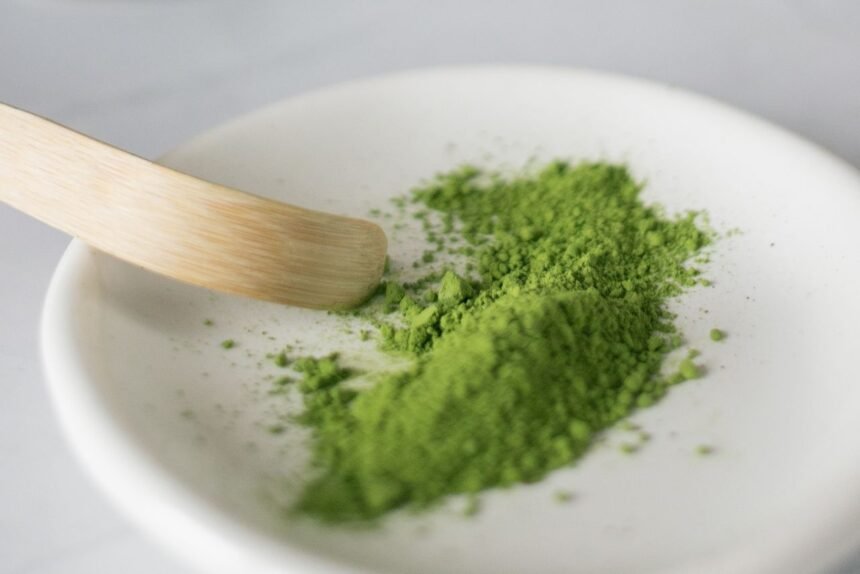
If you have spent any time in a café or scrolling through wellness blogs lately, you have almost certainly encountered the vibrant, emerald-hued latte known as green tea matcha. But this isn’t just a passing social media trend. Originating from traditional Japanese tea ceremonies, matcha offers a concentrated dose of nutrients that puts standard tea bags to shame.
Unlike regular green tea where you steep the leaves and then discard them, matcha involves consuming the entire leaf in a stone-ground powder form. This unique preparation method means you are ingesting a powerhouse of antioxidants, vitamins, and minerals. In this guide, we will explore why you might want to swap your morning coffee for this ancient elixir and how to best utilise it for your health.
What Exactly Is Green Tea Matcha?
While all green tea comes from the Camellia sinensis plant, the journey of green tea matcha is quite distinct. About three to four weeks before harvest, the tea plants are covered to avoid direct sunlight. This shade-grown process triggers a massive increase in chlorophyll content, giving the leaves their iconic deep green colour and boosting the production of amino acids.
The best leaves, known as tencha leaves, are hand-picked, steamed to stop fermentation, and then dried. The stems and veins are removed before the remaining leaf material is slowly ground into a fine powder. Because you consume the whole leaf, a single serving of matcha can provide the nutritional equivalent of up to 10 cups of regular brewed green tea.
The Two Main Grades of Matcha
- Ceremonial Grade: The highest quality, intended to be whisked with hot water and enjoyed plain. It has a naturally sweet, delicate taste and the most vibrant green colour.
- Culinary Grade: Designed for baking, smoothies, and lattes. It has a more robust, astringent flavour that can stand up to other ingredients like milk or sugar.
The Science-Backed Health Benefits
The health community is buzzing about matcha for a good reason. It is packed with a specific class of antioxidants called catechins, which act as natural “scavengers” to neutralise harmful free radicals in the body. The most famous of these is epigallocatechin gallate (EGCG), a compound linked to several profound health outcomes.
1. High Antioxidant Levels
According to research published in the journal Molecules, matcha contains significantly higher levels of antioxidants than almost any other superfood. These antioxidants help protect cells from oxidative stress and may lower the risk of chronic illnesses. Experts at the Mayo Clinic note that a diet high in antioxidants is essential for long-term cellular health.
2. A Natural Metabolism Boost
Many people turn to green tea matcha to support their weight management goals. Studies suggest that green tea extract can help increase energy expenditure and fat oxidation. A study found on PubMed indicates that consuming matcha can provide a modest metabolism boost, especially when paired with moderate exercise.
3. Jitter-Free Energy and Focus
One of the most praised effects of matcha is its ability to provide mental clarity without the “crash” associated with coffee. This is due to the presence of L-theanine, an amino acid that promotes relaxation without drowsiness. When combined with caffeine, it creates a state of “calm alertness” or jitter-free energy. Insights from Nature.com suggest this combination can improve cognitive performance and mood.
4. Heart and Blood Sugar Support
Regular consumption of green tea has been linked to better heart health. The American Heart Association has shared findings that tea drinkers may have a lower risk of cardiovascular issues. Furthermore, matcha may assist in blood sugar regulation by improving insulin sensitivity, a topic frequently explored by Diabetes UK.
How Matcha Compares to Regular Green Tea
If you are wondering if it is worth making the switch, this table helps highlight the primary differences between standard steeped tea and the powdered variety.
| Feature | Regular Green Tea | Green Tea Matcha |
|---|---|---|
| Form | Dried leaves in bags or loose | Fine stone-ground powder |
| Preparation | Steeped in hot water | Whisked into water/milk |
| Antioxidant Content | Moderate | Extremely High (Whole leaf) |
| Caffeine Level | Approx. 25-35mg per cup | Approx. 70mg per cup |
| L-Theanine | Lower levels | Very high levels |
How to Prepare the Perfect Bowl of Matcha
Preparing green tea matcha is an art form, but you don’t need to be a tea master to enjoy it at home. To get the best texture and avoid clumps, follow these steps:
- Sift the powder: Use a fine-mesh strainer to sift 1-2 teaspoons of matcha into a bowl to ensure a smooth consistency.
- Add hot (not boiling) water: Boiling water can scorch the delicate powder, making it taste bitter. Aim for around 80°C.
- Whisk vigorously: Using a traditional bamboo matcha whisk (chasen), whisk in a “W” or “M” motion until a frothy layer forms on top.
- Customise: For a latte, add steamed oat or soy milk. You can find more about healthy hydration on the British Nutrition Foundation website.
Potential Side Effects and Considerations
While matcha is generally safe, it is important to be mindful of your total caffeine intake. The Food Standards Agency recommends that most adults limit caffeine to 400mg per day. Overconsumption may lead to headaches or insomnia in sensitive individuals.
Additionally, because you consume the whole leaf, the quality of the soil where the tea was grown matters. Some studies, like those found on ScienceDirect, suggest that tea leaves can absorb lead from the environment. Choosing organic, high-quality Japanese matcha can help mitigate this risk.
For more detailed information on tea and disease prevention, you can visit the National Cancer Institute or explore the Cochrane Library for clinical reviews on cardiovascular health.
Conclusion
Whether you are looking for a metabolism boost, better mental clarity, or simply a delicious daily ritual, green tea matcha is a versatile and nutrient-dense choice. By incorporating this vibrant powder into your routine, you are not just drinking tea; you are consuming a wealth of history and health in every sip. For more advice on balanced eating, check out the NHS Eat Well guide or Harvard Health.
Frequently Asked Questions (FAQs)
Does matcha have more caffeine than coffee?
A typical cup of matcha contains about 70mg of caffeine, which is higher than regular green tea but usually lower than a standard cup of brewed coffee (which ranges from 90-150mg). However, because of the L-theanine, the energy release is much smoother. More info on caffeine can be found at WebMD.
Can I drink matcha every day?
Yes, for most people, drinking 1–2 cups of matcha daily is perfectly safe and highly beneficial. Just ensure you are mindful of your overall caffeine sensitivity. Peer-reviewed research on British Journal of Nutrition often highlights the safety of long-term tea consumption.
How should I store my matcha?
Matcha is very sensitive to light and air, which can degrade its antioxidant levels and colour. Always store it in an airtight tin in a cool, dark place (like the fridge) to keep it fresh. Specialist journals like Food Chemistry often detail how storage affects tea quality.