For centuries, the rhythmic pulse of our waterways has been intertwined with the salmon life cycle. Among the most fascinating structures used to interact with these resilient fish are salmon weirs. Often appearing as simple stone or wood barriers, these ancient engineering marvels have shaped local economies, nourished communities, and influenced the very health of our biodiversity.
But in a modern world focused on environmental conservation, the role of salmon weirs is shifting. Are they relics of a bygone era, or can they be utilised as tools for sustainable water management? In this guide, we dive deep into the mechanics, history, and environmental impact of these unique structures.
What Are Salmon Weirs?
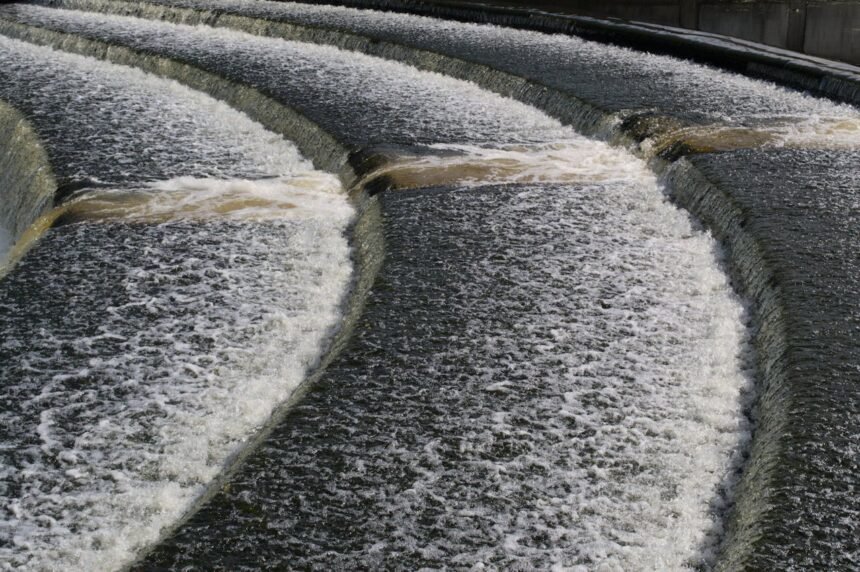
A weir is a low dam built across a river to raise the level of water upstream or regulate its flow. Specifically, salmon weirs are designed to guide or trap salmon as they travel upstream to spawn. Unlike massive hydroelectric dams, these structures are often smaller and more integrated into the aquatic ecosystems they inhabit.
Historically, they were the backbone of sustainable fishing practices. By utilising the natural movement of the tide or the river’s current, these weirs allowed for a controlled harvest that respected the limits of the river’s biodiversity.
The Mechanics of Traditional Techniques
The beauty of salmon weirs lies in their simplicity. Most utilise one of the following traditional techniques:
- V-Shaped Enclosures: These structures guide fish into a narrow apex, making them easy to catch.
- Intertidal Weirs: Built in estuaries, these traps work with the ebb and flow of the tide to strand fish in shallow pools.
- Basket Weirs: Crafted from willow or hazel, these are placed in the flow to funnel salmon into woven traps.
The Impact on Fish Migration
While historically significant, salmon weirs present a complex challenge for fish migration. Because salmon must reach their ancestral spawning grounds to reproduce, any physical barrier can disrupt this delicate journey. Modern river health assessments often focus on how these barriers affect the genetic diversity of salmon populations across different river basins.
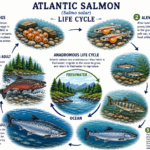
To mitigate this, many modern or restored weirs now include a fish passage—a “ladder” or bypass that allows salmon to leap over or swim around the structure, ensuring they can complete their salmon life cycle.
Comparing Traditional vs. Modern Salmon Weirs
Understanding the evolution of these structures is key to appreciating their role in local heritage and habitat protection. The following table highlights the core differences:
| Feature | Traditional Weirs | Modern Managed Weirs |
|---|---|---|
| Primary Purpose | Harvesting food for communities. | Flow control and scientific monitoring. |
| Materials | Stone, wood, and willow. | Concrete, steel, and electronic sensors. |
| Environmental Impact | Can obstruct fish migration if unmanaged. | Designed with fish passage in mind. |
| Cultural Value | High; linked to indigenous practices. | Utility-focused; often used for data collection. |
Cultural Significance and Indigenous Practices
For many indigenous cultures, salmon weirs were more than just tools; they were spiritual symbols of the river’s bounty. Across North America and parts of Europe, indigenous practices involving weirs were governed by strict social rules to prevent overfishing. This ancient wisdom is now being studied by modern scientists to improve environmental conservation efforts.
You can learn more about these historical methods through archives at the Smithsonian Institution, which document how these structures supported entire civilisations without depleting the aquatic ecosystems.
The Move Towards River Restoration
In recent years, there has been a global movement toward river restoration. This often involves the strategic removal of redundant salmon weirs that no longer serve a purpose but continue to block the path of migratory species. By removing these obstacles, conservationists aim to restore the natural flow of river basins and boost biodiversity.
However, removal isn’t always the answer. Some weirs are essential for maintaining water levels in sensitive wetlands. In these cases, habitat protection involves “re-greening” the weir, adding bypasses, or utilising Natural England‘s guidelines to ensure the structure benefits the local flora and fauna.
How Weirs Affect Salmon Health
From a biological perspective, the presence of salmon weirs can influence the physical condition of the fish. If a fish passage is too steep or the water flow too aggressive, salmon can become exhausted, making them more vulnerable to predators or disease. Organisations like the Atlantic Salmon Federation work tirelessly to monitor these impacts and advocate for “fish-friendly” infrastructure.
Key factors influencing salmon health at weir sites include:
- Water Oxygenation: Weirs can increase oxygen levels through aeration as water falls.
- Sediment Management: Weirs trap silt, which can change the riverbed composition.
- Temperature Regulation: Large pools behind weirs can sometimes warm up, which is stressful for cold-water species.
The Future: Balancing Heritage and Ecology
As we look to the future, the conversation around salmon weirs is evolving. We are no longer just looking at how to catch fish, but how to protect them. Modern water management now integrates satellite data and AI to monitor fish migration in real-time, ensuring that our local heritage doesn’t come at the cost of our planet’s future.
With the rise of climate change, our rivers face unprecedented pressure. Maintaining river health requires a delicate balance of removing harmful barriers while preserving those that offer essential services to the community and the environment. Through sustainable fishing initiatives and smarter engineering, we can ensure the silver flash of the salmon remains a permanent fixture in our waters.
Frequently Asked Questions (FAQs)
Do salmon weirs kill the fish?
Traditional salmon weirs were designed to trap fish for harvest, but modern structures are largely designed for flow control or research. When equipped with a proper fish passage, weirs allow salmon to bypass the structure safely without harm.
Why are some salmon weirs being removed?
Many salmon weirs are being removed as part of river restoration projects. Over time, old weirs can become redundant and act as significant barriers to fish migration, preventing salmon from reaching their spawning grounds and reducing biodiversity.
Can weirs help the environment?
Yes, in some cases. Weirs can help manage river basins by preventing upstream flooding, creating unique wetland habitats, and increasing water oxygenation. The key is ensuring they are managed with modern habitat protection standards in mind.