Salmon are far more than just a source of protein or a prize for anglers. These resilient anadromous fish are the lifeblood of our river systems, acting as a “nutrient express” that travels from the deep ocean back to the smallest mountain streams. However, decades of industrial development, habitat loss, and climate change have pushed many populations to the brink. This is where salmon river restoration steps in as a vital tool for environmental recovery.
Restoring a river is about more than just fixing a single stretch of water; it is about revitalising an entire ecosystem. By focusing on salmon river restoration, conservationists can improve water quality, protect against flooding, and support a wide array of wildlife. In this guide, we explore why these efforts are so critical and how modern techniques are making a real-world difference.
Why Salmon are a Keystone Species
In ecology, a keystone species is one that has a disproportionately large effect on its natural environment relative to its abundance. Salmon fit this description perfectly. When they return to their original spawning grounds to reproduce and eventually die, their bodies release nitrogen and phosphorus into the soil. These nutrients nourish everything from towering ancient forests to the insects that feed the next generation of fry.
A healthy salmon population is a primary indicator of watershed health. If the salmon are struggling, it is a sign that the entire biological community—from bears and eagles to microscopic algae—is at risk. According to the Nature Journal, the presence of salmon is intrinsically linked to the resilience of coastal and inland forests.
Key Methods of Salmon River Restoration
Successful salmon river restoration requires a multi-faceted approach. It is not enough to simply release more fish into the water; we must ensure the habitat can support them throughout their complex life cycle. Here are the primary methods used by environmental organisations today:
- Dam Removal: Removing obsolete barriers is perhaps the most effective way to restore river connectivity. This allows fish to reach high-altitude habitats that have been blocked for decades.
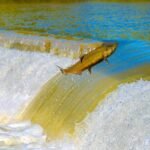
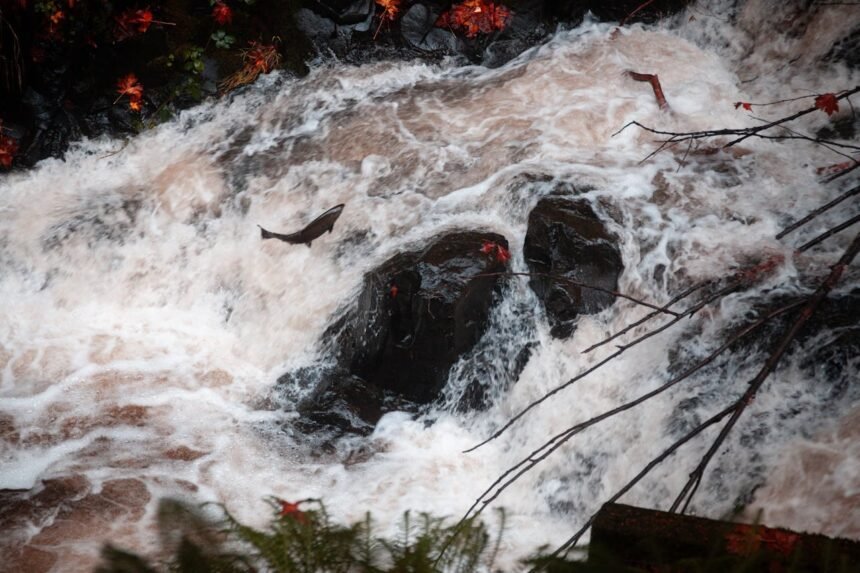
- Installing Fish Passages: Where dam removal is not possible, engineers design ladders or bypasses to provide essential fish passage for migrating adults.
- Creating Riparian Buffer Zones: Planting native trees and shrubs along banks creates riparian buffer zones. These plants provide shade, which maintains the cold-water habitats salmon need to survive.
- Woody Debris Placement: Adding fallen logs to a river helps manage fluvial geomorphology, creating pools and hiding spots for young fish.
- Floodplain Reconnection: Allowing rivers to naturally spill into floodplains slows down the water and provides nutrient-rich nurseries for juvenile salmon.
Comparison of Restoration Strategies
| Restoration Method | Primary Benefit | Timescale for Results |
|---|---|---|
| Dam Removal | Restores historical migration routes | Immediate (1–3 years) |
| Riparian Planting | Temperature control & erosion prevention | Long-term (10–50 years) |
| Floodplain Reconnection | Improves juvenile survival rates | Medium-term (5–10 years) |
| In-stream Structures | Creates immediate habitat complexity | Short-term (1–5 years) |
The Role of Science and Engineering
Modern restoration is a precise science. Experts in sediment management must carefully calculate how moving gravel and silt will affect the downstream environment. Too much sediment can smother eggs in the gravel, while too little can lead to riverbank erosion. By understanding the physics of water flow, teams can recreate the natural “riffle and pool” sequences that salmon prefer.
organisations like the World Wildlife Fund (WWF) emphasize that these projects must be designed with climate change in mind. As global temperatures rise, maintaining cool water through deep pools and shaded banks becomes even more critical for the survival of cold-water species. The National Oceanic and Atmospheric Administration (NOAA) provides extensive data on how temperature shifts impact these delicate cycles.
Beyond the Fish: Ecosystem Services
While the primary goal of salmon river restoration is to help the fish, the secondary benefits—known as ecosystem services—are immense for human communities. Healthy rivers act as natural filters, improving the quality of our drinking water. Furthermore, restored floodplains act like giant sponges, soaking up excess rainwater and significantly reducing the risk of catastrophic flooding in downstream towns.
The Environment Agency in the UK has highlighted that for every pound spent on river restoration, there is a significant return in terms of flood prevention and tourism revenue. Investing in aquatic biodiversity isn’t just an environmental choice; it’s a sound economic one.
How Restoration Boosts Local Economies
- Increased Tourism: Healthy rivers attract hikers, birdwatchers, and nature photographers.
- Recreational Fishing: Sustainable salmon runs support local angling shops and guides.
- Job Creation: Restoration projects require skilled labourers, engineers, and environmental scientists.
- Property Value: Clean, vibrant waterways often increase the value of nearby homes and businesses.
Global Success Stories
From the Elwha River in the United States to the river restoration programmes across Scotland, we are seeing incredible results. Once-silent rivers are now teeming with life. According to the U.S. Geological Survey (USGS), after the removal of major dams, salmon were spotted in upstream reaches within just weeks, proving that nature is ready to heal if we simply give it the chance.
Research published in ScienceDirect shows that these efforts lead to a rapid increase in bird populations and overall insect biomass, further proof of the ripple effect that salmon have on their environment. The Guardian’s Environment section frequently covers these grassroots movements, showing how local communities are leading the charge.
How You Can Get Involved
You don’t need to be a marine biologist to support salmon river restoration. There are many ways to contribute to the health of your local watershed:
Volunteer for local river clean-ups organised by groups like The Wildlife Trusts. You can also support policy changes that protect water quality through the Environmental Protection Agency (EPA) or advocate for dam removal with organisations like American Rivers.
Supporting sustainable fishing practices and staying informed through sources like National Geographic and the Smithsonian Magazine can also make a difference. Every action, no matter how small, contributes to the larger goal of watershed health.
Frequently Asked Questions (FAQs)
What is the biggest threat to salmon today?
While overfishing was once the primary concern, the biggest threats now include habitat fragmentation due to dams, rising water temperatures from climate change, and pollution from urban runoff. Salmon river restoration aims to address these physical and chemical barriers to help populations recover.
How long does it take for a restored river to show results?
Some results are near-instant, such as fish returning to newly opened stretches of water after a dam removal. However, complex biological changes, such as the regrowth of riparian buffer zones or the full recovery of aquatic biodiversity, can take several decades.
Why is river connectivity so important?
River connectivity ensures that salmon can reach their ancestral spawning grounds and that nutrients can flow freely throughout the ecosystem. Barriers like culverts and dams prevent the natural migration and gene flow necessary for a resilient fish population, as noted by Trout Unlimited.
The Path Forward
The future of our rivers depends on our ability to recognise the value of these natural systems. As explored in Frontiers in Ecology and the Environment, restoration is an ongoing commitment rather than a one-time project. By utilising the best available science from institutions like the Royal Society, we can continue to refine our methods and ensure that the call of the wild salmon is never silenced.