


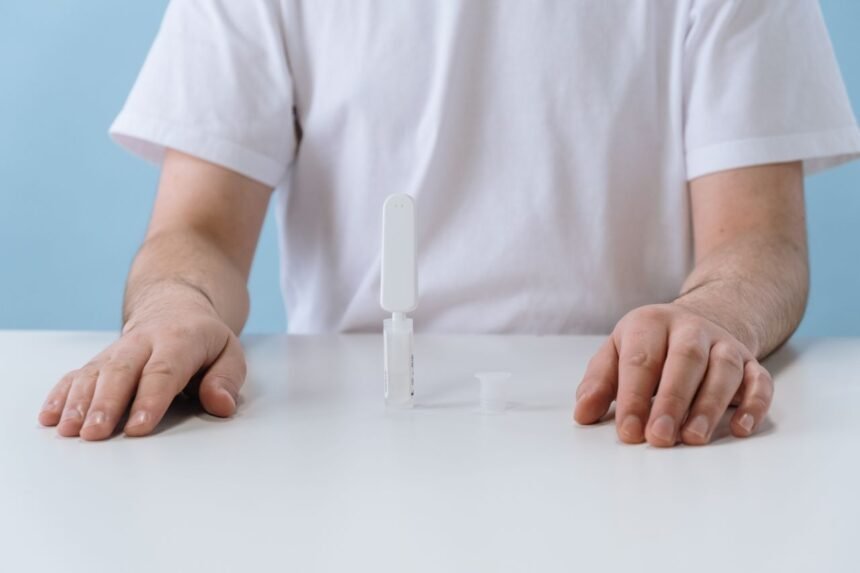
Health checks no longer need a waiting room. Today, at home testing kits let you check blood sugar, cholesterol, infections, pregnancy, and even blood-thinner levels from your kitchen table. That is convenient, private, and often fast. But convenience raises real questions. Which kits are FDA-cleared? How accurate are they? When should you skip the kit and call a doctor?
This guide answers those questions in plain language. You will learn how at home testing works, what FDA-cleared options exist, and how a std at home testing kit differs from inr at home testing for people on warfarin. We also explain the limits of home tests, so you never treat a kit as a final diagnosis.
Whether you want the best at home testing kits for routine monitoring or a private first step before seeing a clinician, this article gives you a safe, practical path. Always confirm important results with a licensed healthcare provider.
What Are At Home Testing Kits?
At home testing kits are products that let you collect a sample, or read a result, without visiting a clinic. The sample may be a finger-prick of blood, a swab, a urine sample, a saliva sample, or a stool sample.
There are two main types.
- Self-tests (rapid tests): You collect the sample and read the result yourself, often in minutes. Pregnancy tests, glucose meters, and rapid COVID-19 tests are common examples.
- Collection kits (mail-in tests): You collect the sample at home and mail it to a lab. A lab professional runs the test, and you get results online or by phone.
Both types fall under the wider idea of at home testing. The big difference is who analyzes the sample. A self-test gives you an instant answer. A mail-in kit usually gives a more detailed answer, but you wait a few days.
It also helps to know that a test is not the same as a diagnosis. A test measures one thing, such as a hormone, an antibody, or a clotting time. A doctor looks at that number along with your symptoms, history, and exam.
Why More People Choose At Home Testing
The growth of at home testing is not an accident. Several real needs are driving it.
Privacy and comfort
Some tests feel awkward to talk about. Many people feel more relaxed testing in private, especially for sexual health. A std at home testing kit removes the fear of judgment from the first step.
Convenience and time
No travel, no queue, no time off work. For people who live far from a lab, at home testing kits can be a real help.
Better monitoring of long-term conditions
People with diabetes have used home glucose meters for decades. People who take warfarin can now use inr at home testing to check clotting more often. More frequent checks can mean faster dose changes.
Early awareness
A kit can prompt someone to see a doctor sooner. That is often the best outcome. A kit works well as a signal. It works poorly as a final answer.
FDA-Cleared Options: What The Labels Mean
If you remember one thing from this guide, remember this: look for FDA status. Reading it correctly protects you from weak products. You can read the agency’s own overview in this FDA guide to home-use tests.
FDA-cleared
A device is cleared when the FDA finds it is substantially equivalent to a similar device already on the market. Many glucose meters and pregnancy tests follow this route.
FDA-approved
Approval is a stricter process, usually for higher-risk devices. It requires strong evidence of safety and effectiveness.
FDA-authorized
Some tests are granted marketing authorization through a pathway such as De Novo. This is common for new kinds of tests that have no earlier match. Emergency Use Authorization (EUA) is another route. It was widely used for COVID-19 tests and is not the same as full clearance.
Not FDA-reviewed
Some kits are sold as wellness products. They may use a real lab but have not gone through FDA review as a complete home test. That does not always mean a kit is bad. It does mean you should be extra careful about how you use the result.
Quick tips for checking status
- Look for the phrase FDA-cleared, FDA-approved, or FDA-authorized on the box.
- Search the brand and test name in the FDA’s public device databases.
- Be careful with phrases such as FDA-registered or FDA-compliant. Those do not mean the test was reviewed for accuracy.
- Check that the test is meant for home use, not for professional use only.
Popular FDA-Cleared Categories Of At Home Testing Kits
Not every kit is cleared, and the situation changes over time, so always check the latest status for your exact product. Here are common categories where cleared or authorized options exist.
Blood glucose
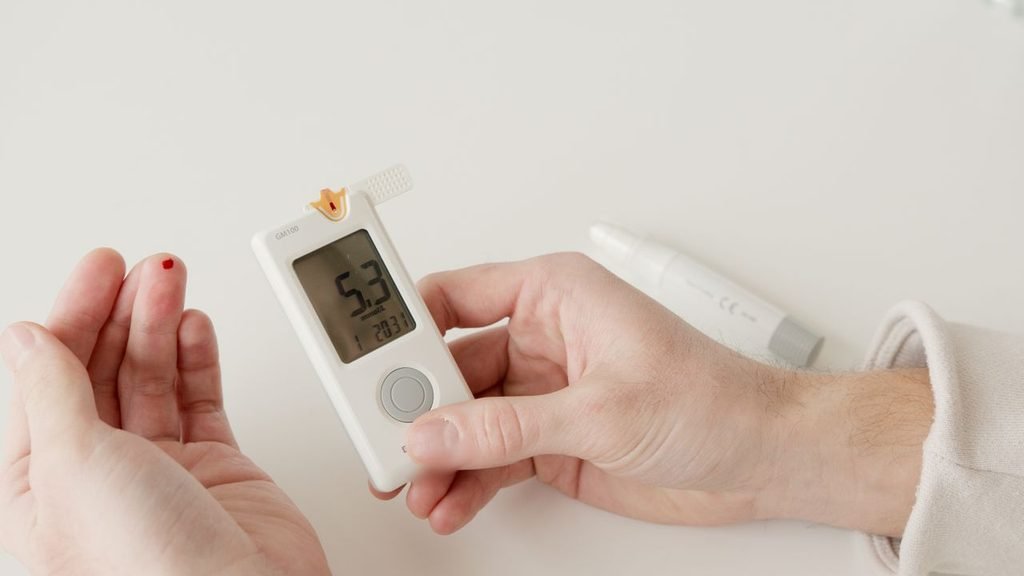
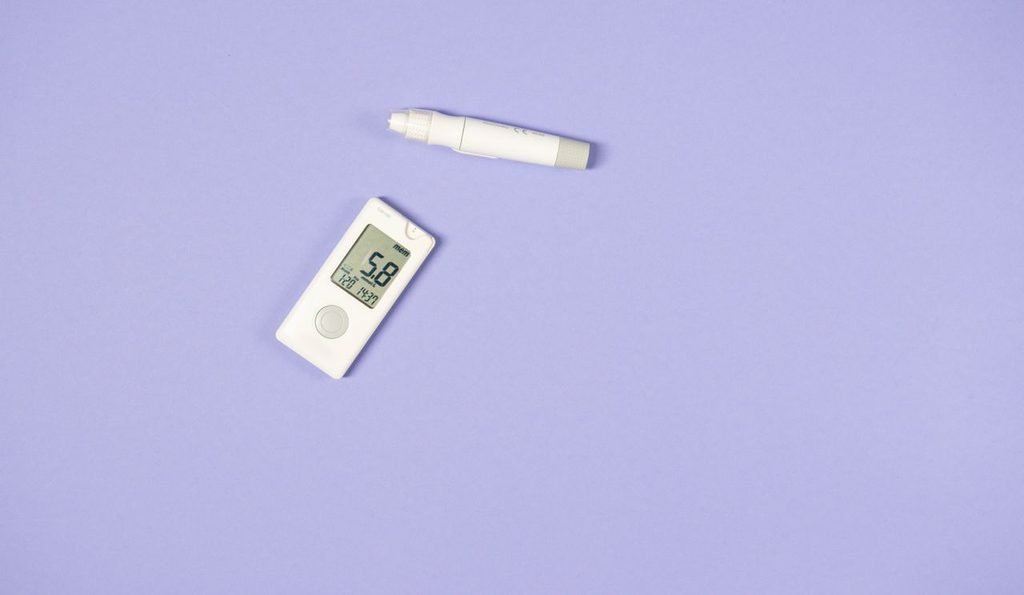
Home glucose meters are the best-known example of at home testing. They help people with diabetes track blood sugar through the day. Many are cleared by the FDA. Accuracy still depends on clean hands, fresh strips, and correct coding or calibration.
Pregnancy and fertility
Over-the-counter urine pregnancy tests detect the hormone hCG. Ovulation tests track luteinizing hormone. Used as directed, pregnancy tests are quite reliable, though testing too early can give a false negative.
COVID-19 and flu
Rapid antigen tests became familiar during the pandemic. Some combination tests now check for COVID-19 and influenza at the same time. Many were authorized under EUA or later cleared. A negative result does not fully rule out infection, especially early on.
Cholesterol and lipids
Some home meters measure total cholesterol and related values from a finger-prick. Others use mail-in lab analysis. Home results are useful for tracking, but a full lipid panel from a lab is still the gold standard for treatment decisions.
Colon cancer screening
Fecal immunochemical tests (FIT) check stool for hidden blood. Some are sold over the counter, and some stool-based screening tests need a prescription. These tests do not replace a colonoscopy when one is advised.
Urinary tract infection (UTI) strips
Urine strips look for signs such as white blood cells and nitrites. They can hint at an infection, but only a clinician can confirm it and choose an antibiotic.
HIV and other infections
Home HIV self-tests have been available for years. A few kits for other infections have also received FDA authorization. We cover the sexual health side in the next section.
Other kits
You will also see at home testing kits for thyroid hormones, vitamin D, iron, A1C, hormone panels, food sensitivity, and DNA. Many of these are lab-based collection kits. Their FDA status varies a lot. Food sensitivity tests, in particular, have weak scientific support, so treat them with caution.
STD At Home Testing Kit: What You Should Know
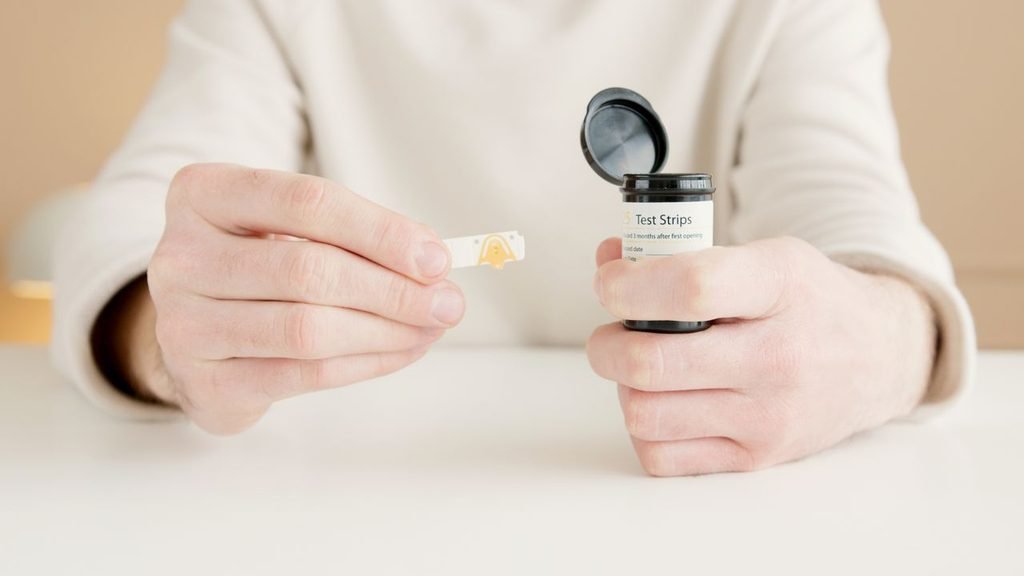
Sexual health is one of the most searched areas of at home testing. A std at home testing kit is often a collection kit. You collect a urine sample, a vaginal swab, a throat or rectal swab, or a finger-prick blood sample. Then you mail it to a lab or, for some products, read a rapid result at home.
What can a std at home testing kit detect?
Depending on the product, a kit may test for:
- Chlamydia
- Gonorrhea
- Trichomoniasis
- Syphilis
- HIV
- Hepatitis B and C
- Herpes (HSV)
- HPV (some kits)
Not every kit tests for everything. Read the box carefully. A kit that checks only two infections cannot tell you that you are free of all the others.
FDA-cleared options in this area
Home HIV self-tests were the first major step. In recent years, the FDA has also authorized some home tests for syphilis and for chlamydia, gonorrhea, and trichomoniasis. This is a fast-moving area, so check the FDA’s current list before you buy.
Many popular mail-in brands use FDA-cleared lab equipment and certified labs. Still, the home collection step may not be separately cleared. Ask the maker how the exact kit is regulated.
Window periods matter
Every infection has a window period. This is the time between exposure and the point when a test can detect it. Testing too soon can give a false negative.
- Chlamydia and gonorrhea: often detectable within one to two weeks.
- Syphilis: may take several weeks, and sometimes up to three months.
- HIV: depends on the test type. Antibody self-tests may need up to three months for the most reliable result.
- Hepatitis and herpes: can need weeks to months, and herpes blood tests have known accuracy limits.
If you had a recent exposure, a doctor or clinic can tell you the best testing time. Retesting later is common and wise.
How to use a std at home testing kit well
- Check the expiry date and the sample types needed.
- Follow the collection steps exactly. Do not skip the wash-hands step.
- Label the sample correctly if you are mailing it.
- Send it back quickly, since samples can degrade.
- Read results with the provided guidance, and note any telehealth support offered.
What to do after a positive result
A positive result is not a moment to panic. It is a moment to act. See a clinician for confirmation and treatment. Many infections are curable, and all are easier to manage when found early. You should also tell recent partners, so they can get tested too. Many health departments offer free and confidential help with this.
What a negative result does not mean
A negative result does not always mean you are in the clear. A wrong sample, early testing, or a missing test type can all hide an infection. If you have symptoms, see a clinician even if your kit says negative.
INR At Home Testing For Blood-Thinner Users
INR stands for International Normalized Ratio. It measures how long your blood takes to clot, compared with a standard. People who take warfarin (a blood thinner) need regular INR checks so the dose stays safe.
Inr at home testing lets patients check this number with a small meter and a finger-prick drop of blood.
Who may benefit
Home INR monitoring is often used by people who take warfarin for:
- Mechanical heart valves
- Atrial fibrillation
- A history of blood clots, such as deep vein thrombosis or pulmonary embolism
It is especially helpful for people who travel, live far from a clinic, or need frequent checks.
How the meter works
You prick a fingertip, place a drop of blood on a test strip, and the meter reports your INR within about a minute. These devices are typically cleared by the FDA for patient self-testing. In many cases a clinician will prescribe the meter and train you to use it.
Why the target range matters
INR without warfarin is usually close to 1.0. People on warfarin are kept in a higher range chosen by their doctor. Many people aim for about 2.0 to 3.0, while some conditions need a different range. Your doctor sets your personal target. Never choose your own range.
How often should you test?
Testing is often weekly once your dose is stable, and more often when your dose changes. Some patients self-test even more frequently. Your care team will give you a schedule. Skipping tests can raise the risk of bleeding or clotting.
Benefits of inr at home testing
- Fewer clinic visits
- Faster dose changes when results drift
- More control and engagement in your own care
- Better time in the target range for many patients, according to clinical studies
Limits and cautions
- Home meters can differ slightly from lab results, especially at very high INR values.
- You must follow your clinician’s plan and report results as directed.
- Poor technique, old strips, or low blood flow can cause errors.
- Some medical conditions can affect meter accuracy, so ask your doctor if a meter fits you.
- Coverage varies. Some insurers and Medicare programs cover home INR monitoring under certain conditions. Check with your plan.
Most importantly, never change your warfarin dose on your own because of a home number. Call your care team, and call emergency services for signs of serious bleeding.
How To Choose The Best At Home Testing Kits
The best at home testing kits are not always the most expensive or most advertised. They are the ones that are accurate, clearly regulated, and right for your need. Use this checklist.
1. Check regulatory status
Start with the FDA label. Prefer products that are FDA-cleared, approved, or authorized for home use. For lab-based kits, confirm the lab is CLIA-certified, which means it follows US lab quality standards.
2. Match the test to your goal
Are you screening, monitoring, or checking a symptom? Monitoring a known condition, like diabetes or warfarin use, calls for a proven, clinician-approved device. Screening for a sensitive issue may suit a mail-in kit with telehealth support.
3. Look at accuracy data
Reliable makers publish sensitivity and specificity. Sensitivity shows how well a test finds true positives. Specificity shows how well it avoids false alarms. Be wary of any brand that claims 100 percent accuracy.
4. Compare turnaround time
Rapid tests give results in minutes. Mail-in kits may take two to seven days. Pick what fits the urgency.
5. Read about support
Good providers offer clear instructions, video guides, and access to a clinician or counselor, especially after a positive result.
6. Review privacy practices
Check how your health data is stored and shared. We cover this in more detail below.
7. Compare total cost
Look at the kit price, shipping, any consultation fee, and whether insurance or an HSA/FSA can pay.
Quick comparison table
| Factor | Rapid self-test | Mail-in lab kit |
|---|---|---|
| Speed | Minutes | Days |
| Who reads result | You | Lab professional |
| Detail level | Basic yes/no | Often more detailed |
| Best for | Quick checks, monitoring | Broader panels, sensitive screening |
| Main risk | Reading or technique errors | Sample damage in transit |
Step-By-Step: Getting Reliable Results From Any Kit
Even the best at home testing kits can mislead you if used badly. Follow these steps.
- Read all instructions first. Do this before opening any sealed parts.
- Check the expiry date. Expired strips and reagents give poor results.
- Store it correctly. Heat and humidity can ruin tests.
- Wash and dry your hands. Dirt and moisture alter blood samples.
- Use the right amount of sample. Too little or too much both cause errors.
- Time it exactly. Read rapid tests only in the stated window. Reading late can create false lines.
- Record the result. Note the date and time, and any symptoms.
- Dispose of sharps safely. Use a sharps container for lancets.
- Share the result with your doctor. Do this especially when it is abnormal or unexpected.
Limitations Of At Home Testing Kits
Being honest about limits is part of using at home testing kits safely. Here are the biggest ones.
False positives and false negatives
No test is perfect. A false positive says you have a condition when you do not. A false negative says you are fine when you are not. Both can happen with home tests, and the chance depends on the test, the timing, and your technique.
User error
Most home tests depend on you. A poor swab, a weak finger-prick, or a misread line can change the outcome. Studies of self-testing often show that technique is a leading cause of error.
Limited scope
A kit tests for one thing, or a small set of things. It cannot examine your whole health. A normal result for one marker does not mean you are healthy overall.
No physical exam
A doctor sees patterns that a number cannot show. Symptoms like chest pain, severe headache, heavy bleeding, or sudden weakness need urgent care, not a kit.
Variable regulation
The market includes strong, FDA-reviewed products and weakly supported ones. Tests for food sensitivity, some hormone panels, and some wellness screens have limited proof. Be selective.
Emotional impact
Getting a worrying result alone can be stressful. Choose providers who offer counseling or clinician follow-up, and plan who you will call if the news is not what you hoped.
Not a replacement for care
This is the key limit. At home testing supports your care. It does not replace your doctor, your annual check-up, or recommended screening tests like mammograms, cervical screening, and colonoscopies.
Privacy And Data Safety
Health data is deeply personal, so treat it that way.
- Read the privacy policy before you buy.
- Check whether the company sells or shares your data with third parties.
- Look for secure, encrypted portals for results.
- Learn whether your sample is stored or destroyed after testing.
- Be careful with DNA kits. Genetic data can reveal information about your relatives too.
- Use strong passwords, and do not share result screenshots in public places.
Remember that many consumer health companies are not covered by the same privacy laws as hospitals and doctors. Read the terms closely.
When To See A Doctor Instead
Skip the kit and see a healthcare provider when:
- You have severe or sudden symptoms.
- You are pregnant and have pain, bleeding, or other concerns.
- You have symptoms but your test says negative.
- Your result is positive, unclear, or very abnormal.
- You are on blood thinners and have unusual bruising, bleeding, or black stools.
- You have a chronic condition and want to change medicine.
- You are not sure how to read your result.
When in doubt, call. A short phone call to a nurse line is often free and can prevent a serious mistake.
Cost, Insurance, And Value
Prices vary widely. A pregnancy test may cost a few dollars, while a broad mail-in panel can cost much more. Home INR meters are a larger investment, though coverage may help.
To get good value:
- Compare unit price, not just box price.
- Check whether your insurance, HSA, or FSA covers the kit.
- Ask your doctor whether a clinic test would be cheaper for you.
- Avoid bundles that include tests you do not need.
- Beware of subscriptions that renew automatically.
You can see how consumer health tools are discussed by public health bodies on the health information hub and in patient safety resources.
Common Mistakes To Avoid
Many problems with at home testing come from a handful of habits.
- Testing too early after exposure or too early in a cycle.
- Using expired or badly stored kits.
- Buying from unknown sellers or unverified online listings.
- Trusting a single result without confirmation.
- Changing medicine without medical advice.
- Ignoring symptoms because a test said negative.
- Sharing kits or lancets between people.
- Throwing away the packaging before checking the lot number and expiry date.
Avoid these, and your results will be far more reliable.
Expert Tips For Safer At Home Testing
Here are practical habits that clinicians often recommend.
- Keep a health log. Write down readings, symptoms, medicines, and dates. Patterns matter more than one number.
- Bring results to appointments. Share the brand and test name, since devices differ.
- Buy from trusted sources. Pharmacies and official brand stores reduce the chance of fake or tampered kits.
- Check recalls. Regulators sometimes recall faulty tests. Look up your brand if something seems wrong.
- Retest when unsure. A repeat test with a fresh kit can clear up a confusing result.
- Ask about the right test. Your doctor can tell you which of the best at home testing kits suits your situation.
For more on how experts evaluate consumer testing, see this independent medical review resource.
The Future Of At Home Testing Kits
The field is moving quickly. Smartphone apps now help read test strips, and connected meters send data straight to clinics. More infection tests are moving from the lab to the living room. Regulators are also reviewing more self-collection options, which should widen access.
As this grows, expect better accuracy standards and clearer labeling. Until then, the safest approach is simple: choose regulated products, use them correctly, and keep your doctor in the loop.
Frequently Asked Questions
Are at home testing kits accurate?
Many are accurate when used correctly, especially FDA-cleared ones. Accuracy depends on the test type, timing, and your technique. Confirm important or unexpected results with a clinician.
What are the best at home testing kits?
The best at home testing kits are FDA-cleared, authorized, or lab-backed products with clear accuracy data, strong privacy, and good support. The right choice depends on what you need to test.
Is a std at home testing kit reliable?
A std at home testing kit can be reliable, particularly when it uses certified labs or has FDA authorization. Window periods and sample quality matter. A negative result right after exposure may not be final.
Can I use inr at home testing without a doctor?
No. Inr at home testing is meant for people on warfarin who are under medical care. Your clinician should train you, set your target range, and review your results.
Do at home testing kits replace doctor visits?
No. They support your care by giving early signals or helping you monitor a condition. They cannot replace a physical exam, diagnosis, or treatment plan.
How do I know if a kit is FDA-cleared?
Check the box for FDA-cleared, approved, or authorized wording, then confirm in the FDA’s public device databases. Be careful with phrases like FDA-registered, which do not prove the test was reviewed for accuracy.
Conclusion
At home testing kits can make healthcare more private, convenient, and proactive. From glucose meters to a std at home testing kit and inr at home testing for blood-thinner users, the right product can help you take charge of your health.
But the smartest users know the limits. Choose FDA-cleared or authorized options, follow every instruction, watch the window periods, and protect your data. Treat each result as a clue, not a verdict.
Most of all, keep your healthcare provider involved. Use at home testing to start better conversations, and let a professional guide the decisions that matter.