

Looking for the best vegan protein powder but tired of chalky shakes and confusing labels? This guide shows you how to pick one that fits your body, your budget, and your goals. You’ll learn the best plant-based protein sources,
how to compare vegan protein powders by type, and how to meet your amino acid profile without eating meat or dairy. We also review vegan protein shake ideas, vegan protein bars, the popular Barebells vegan protein bar, Ghost vegan protein, and ready-to-drink vegan protein drinks.
Every section follows E-E-A-T principles and points to trusted nutrition sources. Four easy tables make comparing options simple. This is general health information, not medical advice. Check with a doctor or registered dietitian before changing your diet or adding supplements.
Why Finding the Best Vegan Protein Powder Matters
Protein is the building block of muscle, skin, hormones, and enzymes. When you skip meat, eggs, and dairy, you need a plan to get enough of it. That is why so many people search for the best vegan protein powder every year.
The challenge is that the market is crowded. Some tubs taste like sand, and others hide fillers and heavy metals behind pretty labels. A smart choice saves you money, protects your health, and makes your daily routine easier.
In this guide, I’ll keep the language simple and the advice practical. We’ll cover the best plant-based protein sources, compare vegan protein powders, and explain amino acid profiles. By the end, you’ll know exactly how to pick the best vegan protein powder for you.
What Makes the Best Vegan Protein Powder?
Not every tub deserves a spot in your kitchen. The best vegan protein powder shares a few clear traits. Let’s go through them one by one.
First, look at protein per serving. A good powder gives you 20 to 30 grams per scoop. Anything far below that is mostly filler.
Second, check the ingredient list. The best vegan protein powder has a short list with a clear protein source, a natural sweetener, and little else. Long lists of gums, flavors, and artificial colors are a warning sign.
Third, look for third-party testing. Independent labs check for heavy metals like lead and cadmium. Plant proteins can pick these up from soil, so testing matters a lot.
Fourth, taste and texture count. If you hate your shake, you’ll stop drinking it. The best vegan protein powder is the one you’ll actually use every day.
Finally, think about digestion. Some people bloat on certain plant proteins or sweeteners like sugar alcohols. A gentle formula keeps you comfortable.
How Much Protein Do You Really Need?
Before you buy anything, know your target. The standard guideline for adults is about 0.8 grams of protein per kilogram of body weight per day. That works out to roughly 56 grams for a 70 kg person.
Active people need more. Athletes and regular lifters often aim for 1.4 to 2.0 grams per kilogram. Older adults may also benefit from higher intakes to protect muscle.
Plant proteins are slightly less digestible than animal proteins. Because of this, some experts suggest vegans aim a little higher than the minimum. A vegan protein shake can close the gap easily.
This is general information only. Kidney disease, pregnancy, and other health conditions change protein needs. Talk with a doctor or dietitian before setting a high target.
Best Plant-Based Protein Sources From Whole Foods
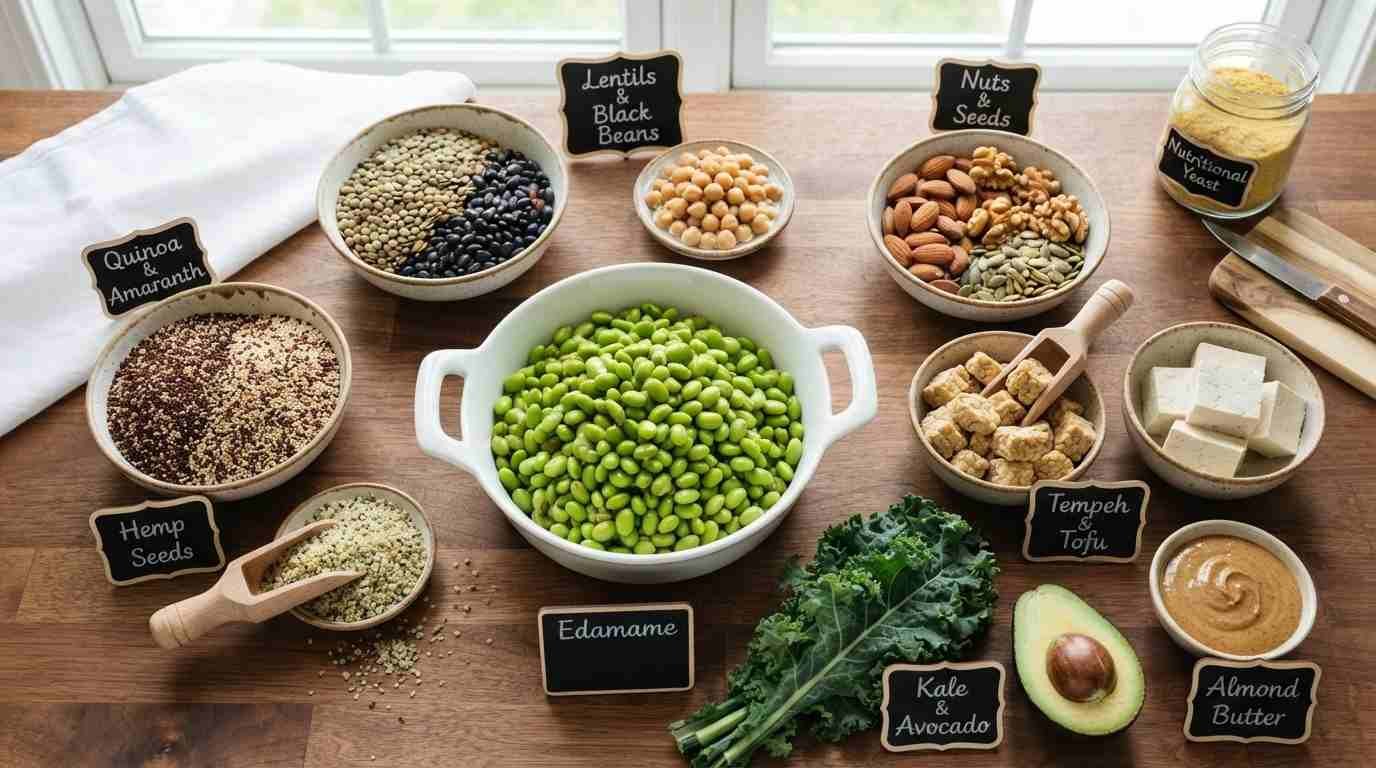
Powder is a tool, not a replacement for real food. The best plant-based protein sources should form the base of your diet. Powder then fills the gaps.
Legumes are the stars here. Lentils, chickpeas, black beans, and peas are cheap and packed with fiber. They also deliver iron, folate, and slow-digesting carbs.
Soy foods are the most complete option. Tofu, tempeh, and edamame provide all nine essential amino acids. Tempeh is fermented, which many people find easier to digest.
Seitan is made from wheat gluten and is very high in protein. It is not suitable for anyone with celiac disease or gluten sensitivity. Nuts and seeds, especially hemp, pumpkin, and chia, add protein plus healthy fats.
Whole grains like quinoa, oats, and brown rice contribute smaller amounts. They also help with amino acid balance when paired with legumes. For a deeper dive, the Vegan Society’s protein guide explains how plant eaters can meet their needs safely.
Here is a quick comparison of common whole-food options.
| Food (approx. per 100 g) | Protein | Notes |
|---|---|---|
| Seitan | 25 g | Wheat-based; avoid with gluten issues |
| Tempeh | 19 g | Fermented soy; complete protein |
| Hemp seeds | 31 g | Rich in healthy fats |
| Firm tofu | 8–15 g | Varies by brand and firmness |
| Edamame | 11 g | Complete protein; great snack |
| Cooked lentils | 9 g | High in fiber and iron |
| Cooked chickpeas | 9 g | Versatile and cheap |
| Cooked quinoa | 4–5 g | Complete protein in small amounts |
These numbers are approximate and vary by brand. Always check the label on your product. Mixing several sources through the day is the smartest strategy.
Meeting Amino Acid Profiles on a Plant-Based Diet
Protein is made of 20 amino acids. Nine of them are “essential,” which means your body can’t make them. You must get them from food.
Animal proteins contain all nine in good amounts. Many plant proteins are lower in one or two. This is called a “limiting” amino acid.
Pea protein is low in methionine. Rice protein is low in lysine. Hemp is also lower in lysine.
The fix is simple: variety. Eating different plant proteins across the day covers the gaps. You don’t need to combine them in the same meal.
Scientists use scores like PDCAAS and DIAAS to rate protein quality. Soy and pea score well. Rice and hemp score lower on their own, but blends close the gap.
Leucine is the amino acid most linked to muscle building. Most pea and soy powders provide a good amount. A scoop with 2 to 3 grams of leucine is a solid target after training.
This is why many brands sell blends. A pea and rice mix, for example, gives you a more balanced profile. Here is how the main proteins compare.
| Protein Source | Complete Profile? | Limiting Amino Acid | Approx. Quality Rating |
|---|---|---|---|
| Soy | Yes | Methionine (slightly) | Very high |
| Pea | Nearly | Methionine | High |
| Brown rice | Nearly | Lysine | Moderate |
| Hemp | Nearly | Lysine | Moderate |
| Pumpkin seed | Nearly | Varies | Moderate |
| Pea + rice blend | Yes | None significant | High |
If you want more detail on amino acids and plant eating, the Healthline guide to protein for vegans is a helpful read. It breaks down needs and food choices clearly. Use it alongside this article.
Comparing Vegan Protein Powders by Type
Now to the main event. Comparing vegan protein powders is easier when you know how each type behaves. Let’s walk through them.
Pea Protein
Pea protein is the most popular base for the best vegan protein powder today. It is high in protein, rich in iron, and rich in branched-chain amino acids. It mixes fairly well and has a mild, slightly earthy taste.
The main weakness is methionine. This is easy to fix by eating other protein foods during the day. Many people find pea protein gentle on the stomach.
Soy Protein
Soy protein isolate is a complete protein with a strong research record. It mixes smoothly and costs less than many alternatives. For many users, it is a contender for the best vegan protein powder on value alone.
Soy is a common allergen, so avoid it if you’re sensitive. Some people also prefer to limit soy for personal reasons. Moderate intake is considered safe for most adults.
Brown Rice Protein
Brown rice protein is hypoallergenic and easy to digest. The texture is a bit gritty. It works best in blends rather than alone.
Hemp Protein
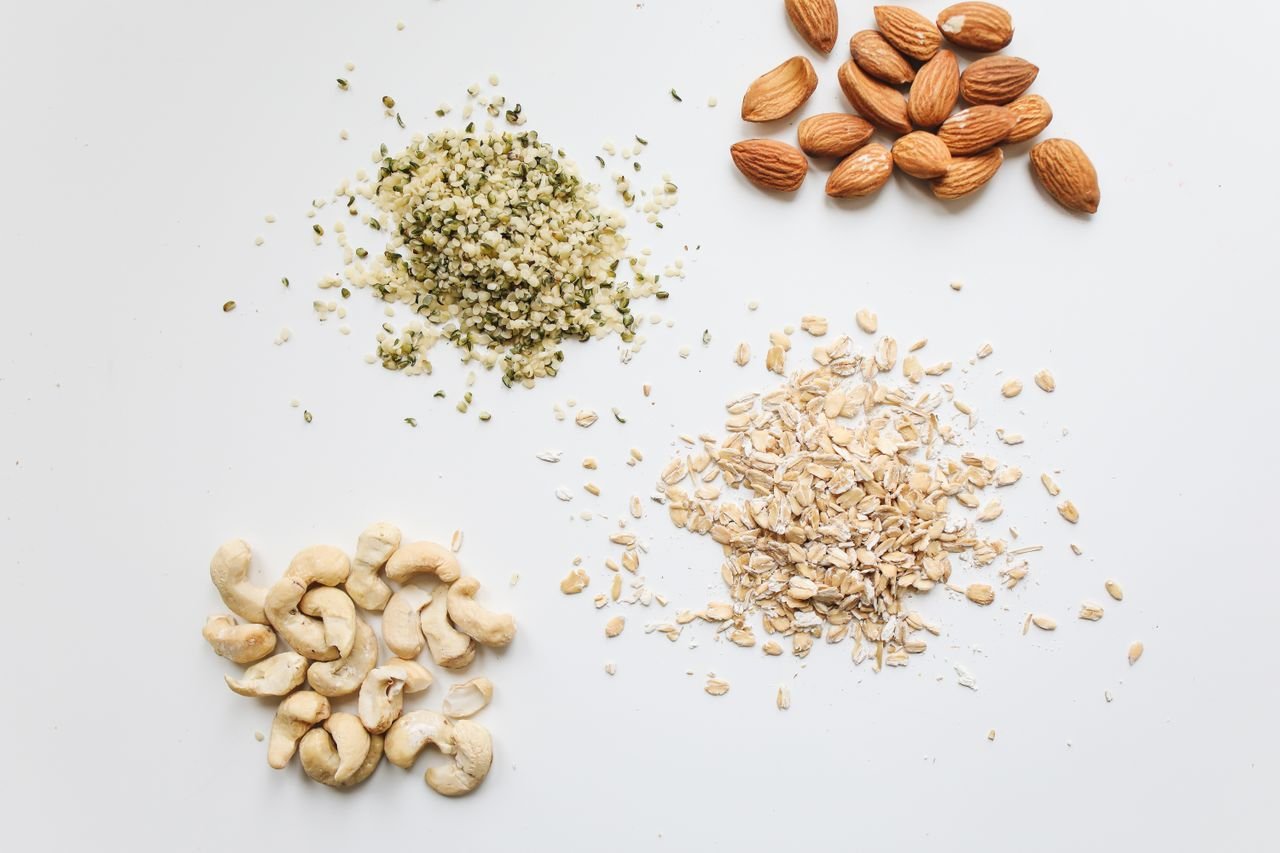
Hemp protein is less processed and contains fiber and omega fats. It has a nutty, earthy taste that suits smoothies. It has less protein per scoop, so it’s not the top pick for pure muscle goals.
Pumpkin Seed and Sunflower Protein
These are newer options with growing popularity. They suit people who avoid soy, gluten, and legumes. Taste is strong, so blend them into smoothies with fruit.
Blends
Blends combine two or more sources for a fuller amino acid profile. A well-made blend is often the best vegan protein powder for general use. Check that the label lists each protein clearly.
Here is a side-by-side comparison.
| Type | Protein per Scoop | Taste and Texture | Best For |
|---|---|---|---|
| Pea | 20–25 g | Mild, slightly earthy | All-around use |
| Soy | 20–25 g | Smooth, neutral | Budget and complete protein |
| Brown rice | 18–22 g | Gritty, mild | Sensitive stomachs, blends |
| Hemp | 12–15 g | Nutty, earthy | Smoothies, whole-food fans |
| Pumpkin/sunflower | 15–20 g | Strong, seedy | Soy-free, legume-free diets |
| Blend | 20–30 g | Varies, often smoother | Balanced amino acids |
Use this table to narrow your shortlist. Then check the label for third-party testing. That one step separates the best vegan protein brands from the weaker ones.
Best Vegan Protein Powder for Your Goal
The best vegan protein powder depends on what you want to achieve. Let’s match goals to features.
For Building Muscle
Look for 25 grams or more per scoop and a high leucine content. A pea and rice blend, or a soy isolate, works well. Take a scoop within a couple of hours of training.
Pair it with enough total calories and a strong training plan. Powder alone won’t build muscle. It simply makes your protein target easier to reach.
For Weight Loss
Protein keeps you full and protects muscle during a calorie deficit. Choose a low-sugar powder with few calories per scoop. The best vegan protein powder for this goal has under 150 calories and little added sugar.
Use it to replace a snack, not to add extra calories on top. A vegan protein shake with water, spinach, and berries is a filling option.
For Sensitive Stomachs
Pick a simple formula with few ingredients. Avoid sugar alcohols like erythritol and sorbitol if they upset you. Rice protein or a gentle pea isolate is often the best place to start.
Introduce powder slowly. Try half a scoop for a few days. This lets your gut adjust.
For Budget Shoppers
Soy and pea are usually the cheapest. Buying larger bags without added flavors cuts cost. Compare the price per gram of protein rather than the price per tub.
For Clean, Minimal Ingredients
Look for unflavored powders with one or two ingredients. You can flavor them yourself with cocoa, cinnamon, or fruit. This is often the best vegan protein powder choice for people who dislike additives.
Ghost Vegan Protein: A Closer Look
Many readers ask about Ghost vegan protein. It is a popular flavored option sold widely in stores and online. The brand is known for dessert-style flavors and strong marketing.
Typical servings provide around 20 to 25 grams of protein, though formulas and flavors change. Always check the current label for exact numbers. Look at the sweeteners, the protein sources, and any testing information.
Ghost vegan protein can suit people who want a tasty shake without much effort. If you are sensitive to artificial sweeteners, read the ingredient list first. As with any product, taste, price, and digestion decide whether it’s right for you.
Is it the best vegan protein powder? That depends on your needs. It is a convenient pick, not the only good one.
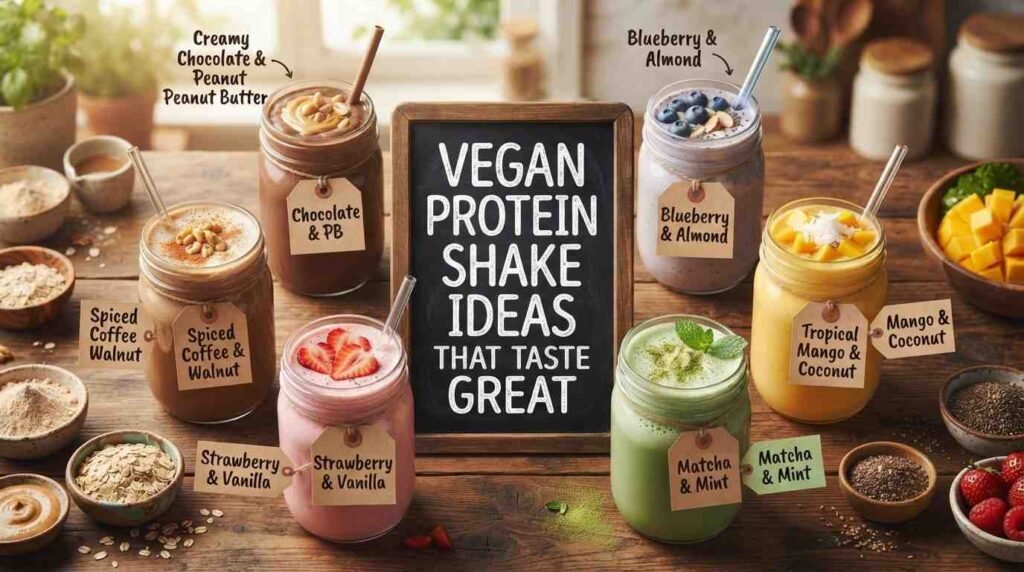
Vegan Protein Shake Ideas That Taste Great
A good vegan protein shake is easy to make. The right base and add-ins can hide any earthy taste. Here are some simple ideas.
Start with a liquid. Unsweetened soy milk adds extra protein. Oat, almond, or coconut milk give a creamier or lighter feel.
Add one scoop of your best vegan protein powder. Then toss in a banana for sweetness and thickness. Frozen fruit makes the shake cold and thick without ice.
Try these combinations:
- Chocolate peanut shake: chocolate powder, banana, peanut butter, soy milk
- Green shake: vanilla powder, spinach, pineapple, water
- Berry shake: vanilla powder, mixed berries, oats, almond milk
- Coffee shake: chocolate powder, cold brew, banana, oat milk
Blend well, as plant powders can clump. If you use a shaker bottle, add the liquid first. Then add the powder to avoid sticking at the bottom.
A vegan protein shake works as a post-workout drink or a quick breakfast. Add oats, flax, or nut butter to make it a full meal. This turns a simple scoop into a balanced option.
Vegan Protein Bars: Convenient but Choose Wisely
Vegan protein bars are handy when you’re on the go. They need no mixing, no fridge, and no cleanup. The downside is that many are closer to candy bars than health food.
When you shop, check protein, sugar, and fiber. A good bar offers 15 to 20 grams of protein. Aim for under 10 grams of sugar and a short ingredient list.
Watch out for sugar alcohols, which cause gas in some people. Also watch for syrups that push the calorie count up. The best vegan protein bars use nuts, seeds, and plant protein isolates.
Barebells Vegan Protein Bar
The Barebells vegan protein bar has become popular for its dessert-like taste and low sugar. It offers roughly 20 grams of protein, though exact numbers depend on the flavor. Check the label for current figures.
It uses sweeteners and sugar alcohols to keep sugar low. Some people tolerate these well, and others don’t. Try one before buying a full box.
A Barebells vegan protein bar is a solid snack, but it shouldn’t replace whole meals. Use it as a backup when real food isn’t available. For many readers, it is a tasty and practical addition alongside the best vegan protein powder in their kitchen.
Vegan Protein Drinks: Ready-to-Drink Options
Vegan protein drinks are bottles or cartons you can grab and go. They are great for busy mornings, gym bags, and travel. Most contain 15 to 30 grams of protein.
Quality varies a lot. Some use pea or soy protein with minimal extras, and others rely on thickeners and sweeteners. Always read the label before you buy.
Price is the main drawback. Ready-to-drink options cost more per gram of protein than powder. They make sense as a backup, not an everyday habit for most budgets.
Many vegan protein drinks also contain added vitamins and minerals. This can help vegans get B12 and calcium. Still, don’t rely on them as your only source.
Powders vs. Shakes vs. Bars vs. Drinks
Each format has strengths. The best vegan protein format depends on your lifestyle. This table shows how they compare.
| Format | Convenience | Cost per Gram of Protein | Control Over Ingredients | Best Use |
|---|---|---|---|---|
| Powder | Medium | Lowest | High | Daily use at home |
| Homemade shake | Medium | Low | Highest | Meals and recovery |
| Protein bar | Very high | High | Low | Travel and snacks |
| Ready-to-drink | Very high | Highest | Low | Busy days, gym bag |
For most people, powder offers the best balance of price and quality. Bars and bottled vegan protein drinks fill in the gaps. You do not need all four formats.
How to Read a Vegan Protein Label
Reading labels is where you protect your health. Marketing claims can be misleading. Here’s what to check.
Start with the protein source. The first ingredient should be the protein itself, such as pea, soy, or rice. Avoid products where sugar or oils lead the list.
Check the protein per serving and the serving size. A scoop of 30 grams that delivers 20 grams of protein is typical. Compare it with how much you actually scoop.
Look for third-party seals like NSF Certified for Sport, Informed Choice, or Clean Label Project. These indicate independent testing for contaminants and banned substances. They are strong signs of trust.
Check the sweeteners. Stevia, monk fruit, and sucralose are common. Pick the one your body tolerates best.
Finally, look at allergens. Soy, gluten, and tree nuts appear in many products. If you have allergies, read the full statement every time.
Safety, Side Effects, and Who Should Be Careful
Protein powders are safe for most healthy adults when used properly. Still, a few concerns are worth knowing. This section matters because health decisions deserve care.
Heavy metals are the biggest issue with plant powders. Lead, cadmium, and arsenic can appear in trace amounts. Choosing a tested brand lowers the risk.
Digestive upset is another common complaint. Bloating, gas, and loose stools can come from fiber, sugar alcohols, or a sudden increase in protein. Start small and drink plenty of water.
People with kidney disease should talk to a doctor before raising protein intake. Pregnant and breastfeeding women should also seek medical advice. Children and teens generally need food-first approaches unless a professional advises otherwise.
Remember that powders are supplements, not medicine. They don’t cure disease or replace a balanced diet. The best vegan protein powder supports a healthy plan but can’t fix a poor one.
If you take medication or have a chronic condition, check with your provider first. A registered dietitian can build a personal plan. This is the safest way to use any supplement.
When to Take Vegan Protein for Best Results
Timing matters less than total daily protein. Still, a few habits help. Spread your intake across the day for better muscle support.
Aim for 20 to 40 grams per meal. A scoop at breakfast fixes the common problem of low-protein mornings. Another after training helps recovery.
Before bed, a slower-digesting option can help too. Soy or a casein-style plant blend works well. Don’t stress about exact minutes.
Consistency beats perfection. Pick times that fit your routine. The best vegan protein powder is the one you use regularly.
Common Mistakes When Choosing Vegan Protein
Even smart shoppers make mistakes. Avoid these and you’ll save money and frustration.
- Chasing the biggest tub: Cheap bulk powder may be low quality or untested.
- Ignoring the label: Marketing words like “natural” mean very little.
- Overusing powder: Whole foods should still provide most of your protein.
- Skipping a trial: Buy a sample or small bag before a big purchase.
- Forgetting B12: Vegans need a B12 source, and protein powder alone won’t cover it.
Another mistake is expecting powder to do everything. It doesn’t build muscle by itself. Training, sleep, and total nutrition all matter. Use the best vegan protein powder as one piece of the puzzle.
A Simple Daily Plan Using Plant Protein
Here is an easy example for a 70 kg active adult aiming for about 100 grams of protein. Adjust it for your own needs. Always check with a professional if unsure.
Breakfast could be oats with soy milk, hemp seeds, and a vegan protein shake on the side. That gives you around 30 grams. Lunch might be a lentil and quinoa bowl with tofu, adding another 30 grams.
An afternoon snack could be edamame or one of the vegan protein bars you trust. Dinner could be tempeh stir-fry with brown rice and vegetables. Together, these reach your goal without stress.
On busy days, a bottle of vegan protein drinks can fill a gap. On lazy days, an extra scoop of your best vegan protein powder helps you reach the target. Flexibility keeps the plan sustainable.
For more food ideas, the Greatist guide to vegan protein sources offers a wide list of options. It is a good place to find new meals. Mix and match to avoid boredom.
Frequently Asked Questions
What is the best vegan protein powder for beginners?
A simple pea protein or a pea and rice blend is a good start. Choose a lightly sweetened or unflavored version. The best vegan protein powder for beginners is easy to digest and independently tested.
Is vegan protein as good as whey?
Quality plant proteins can support muscle growth just as well when total intake and amino acids are adequate. Blends and soy are especially effective. You may need a slightly larger scoop to match leucine levels.
Can I use vegan protein powder every day?
Most healthy adults can use it daily within their total protein needs. Keep whole foods as the base of your diet. Talk with a professional if you have a medical condition.
Are vegan protein bars healthy?
Some are, and some are glorified candy. Look for high protein, low sugar, and simple ingredients. Treat them as occasional convenience, not a daily staple.
Which brand has the best vegan protein?
There is no single winner. The best vegan protein brand is one with clear labels, third-party testing, and a taste you enjoy. Compare a few before committing.
Is Ghost vegan protein worth trying?
Ghost vegan protein is popular for flavor and mixability. Check the current label for protein, sweeteners, and testing. If it fits your needs and budget, it is a fair choice.
Do vegan protein shakes cause bloating?
They can if you add too much too fast. Fiber and sugar alcohols are common causes. Start with half a scoop and increase slowly.
Final Thoughts on Choosing the Best Vegan Protein Powder
Choosing the best vegan protein powder comes down to a few clear steps. Know your protein goal, pick a protein type that suits your body, and check for third-party testing. Then make sure you like the taste.
Pea, soy, and blends lead the field for most people. Rice and hemp work well in the right situations. Whole foods like lentils, tofu, and tempeh should remain the foundation.
Use a vegan protein shake for easy mornings and recovery. Keep vegan protein bars, like a Barebells vegan protein bar, for travel. Keep vegan protein drinks as a backup, and try options like Ghost vegan protein if flavor matters to you.
Eat a variety of plant proteins across the day to meet your amino acid needs. Take your time, test small, and read every label. The best vegan protein powder is the one that supports your health, fits your budget, and keeps you consistent.
Medical Disclaimer (YMYL): This article is for general information only. It is not medical advice, diagnosis, or treatment. Consult a qualified doctor or registered dietitian before changing your diet, starting supplements, or if you have a medical condition, are pregnant, or are breastfeeding.
Sources referenced: The Vegan Society, Healthline, Greatist, and general guidance from major dietetic associations.