In an era defined by breathless itineraries and fleeting moments, the concept of slow travel offers a necessary antidote. It invites us to disconnect from the frantic pace of modern life and reconnect with our surroundings. There are few destinations on Earth more perfectly suited to this philosophy than Switzerland. To practise slow travel, Switzerland is to trade the motorway for the mountain path and the rush hour for the rhythm of a cogwheel train.
This approach allows you to truly immerse yourself in the Alpine majesty rather than merely observing it through a camera lens. It encourages a deeper appreciation of the distinct cultures, languages, and culinary traditions that thrive within the Swiss borders. Whether you are navigating the pristine lakes or wandering through car-free villages, adopting a gentle pace reveals a side of Switzerland often missed by the weekend tourist. By prioritising quality over quantity, you optimise your holiday for relaxation and genuine discovery. This guide explores how to savour the Swiss experience, ensuring every moment is as crisp and refreshing as the Alpine air.
The Iconic Swiss Rail Network
One cannot discuss slow travel in Switzerland without honouring its world-class transport system. The Swiss Federal Railways (SBB) provides an infrastructure that makes car-free travel not just possible, but preferable. The trains here are celebrated for their punctuality, cleanliness, and the seamless way they integrate with the landscape.
The Glacier Express: The Slowest Express Train
For the ultimate slow travel experience, the Glacier Express is essential. Often dubbed the “slowest express train in the world,” it connects Zermatt and St. Moritz. The journey takes approximately eight hours, traversing 291 bridges and 91 tunnels. This is not about getting from A to B efficiently; it is about the panoramic windows that frame the grandeur of the Oberalp Pass and the Rhine Gorge. Expert advice from The Man in Seat 61 suggests booking well in advance, as this route is popular among those seeking a relaxed pace.
Regional Connectivity
Beyond the famous scenic routes, the regional trains offer a delightful way to explore. They stop at smaller stations, allowing you to hop off and explore a quiet village or a hidden valley. Utilising the Swiss Travel Pass provides unlimited access to this network, removing the stress of purchasing individual tickets. It allows the freedom to change your plans on a whim—a core tenet of slow travel.
Alpine Walking and Nature Immersion
While the trains are magnificent, the true heart of the Alps is best discovered on foot. Switzerland boasts over 65,000 kilometres of marked hiking trails, known as Wanderwege. These paths are meticulously maintained and signposted with distinct yellow markers, making navigation simple for walkers of all abilities.
Accessible Hiking for Everyone
You do not need to be a seasoned mountaineer to enjoy the Swiss outdoors. Many routes are designed for gentle strolling. For instance, the trail from Mannlichen to Kleine Scheidegg offers spectacular views of the Eiger, Monch, and Jungfrau peaks with minimal physical exertion. Resources like Wanderlust Magazine frequently highlight trails that maximise scenery while minimising vertical ascent. Taking these paths at a leisurely speed allows you to observe the diverse Alpine flora, from gentians to edelweiss, which often go unnoticed by those rushing to the summit.
Respecting the Environment
Slow travel also implies a responsibility towards nature. The Swiss take conservation seriously. When exploring, it is vital to stick to marked paths to protect sensitive habitats. Following the countryside code ensures that the pristine beauty of the Alps remains intact for future generations. For detailed maps and eco-friendly tips, Rough Guides offers excellent planning resources for the conscientious trekker.
Savouring Swiss Gastronomy
Food is a central pillar of culture, and rushing your meals is a disservice to Swiss heritage. The nation’s cuisine is hearty, comforting, and deeply rooted in local agriculture. Slow travel encourages long lunches and lingering dinners where the focus is on regional ingredients.
Beyond Fondue and Chocolate
While fondue is the headline act, regional specialities deserve your attention. In the French-speaking cantons, you might enjoy a Papet Vaudois (leeks and potatoes with sausage). In the German-speaking areas, Rösti is a staple. Visiting local dairies to see how cheese is produced adds a layer of understanding to what is on your plate. BBC Good Food details how these traditional recipes have evolved over centuries. Taking the time to visit a local Konditorei for coffee and cake is a daily ritual that anchors you in the local rhythm.
Wine Tourism
Switzerland produces excellent wines, particularly in the Lavaux region near Lake Geneva and the Valais. However, because they export very little, you must visit to taste them. Walking through the terraced vineyards, a UNESCO World Heritage site, followed by a tasting session at a local cellar, is the epitome of a relaxed afternoon.
Lakeside Serenity and Water Transport
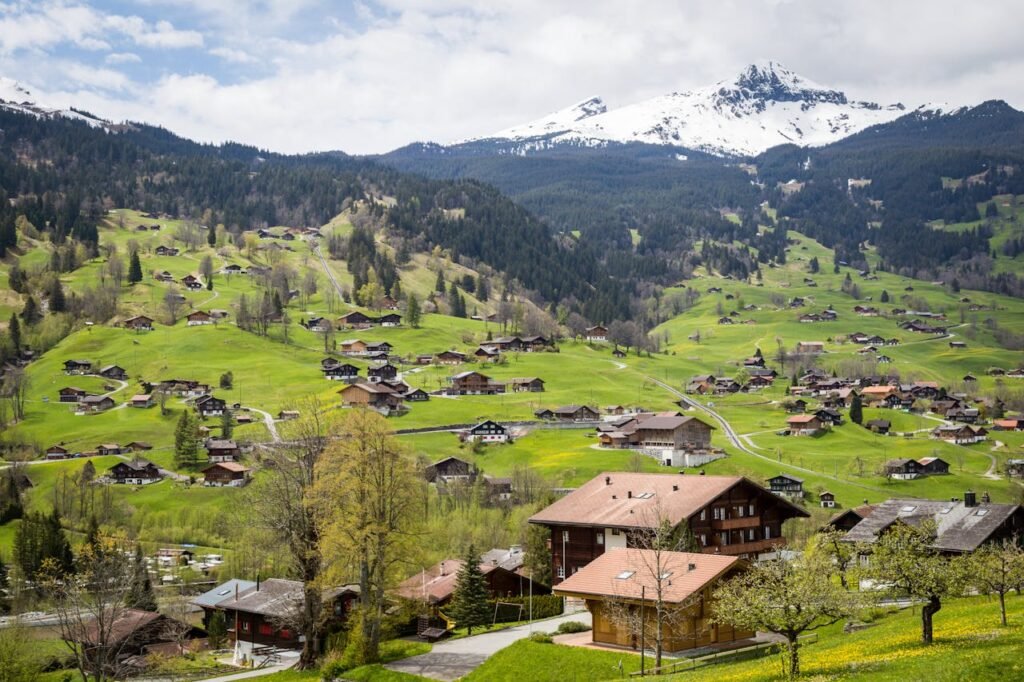
The Swiss landscape is defined as much by its water as its mountains. The great lakes—Geneva, Lucerne, Zurich, and Brienz—offer a different perspective on the scenery.
Historic Paddle Steamers
Travelling by boat is inherently calming. On Lake Lucerne, a fleet of restored Belle Époque paddle steamers plies the waters. The rhythmic churning of the paddle wheels and the slow glide across the turquoise water induce a meditative state. It is a stark contrast to the hurry of modern commuting. According to The Telegraph Travel, a sunset cruise on these historic vessels is among the most romantic and peaceful experiences in Europe.
Swimming and Recreation
In the summer, the lakes become the centre of social life. Locals gather at the Badis (bathing areas) to swim, sunbathe, and socialise. Joining them offers an authentic slice of Swiss life. The water quality is exceptional, often meeting drinking water standards. Whether you rent a pedalo or simply sit by the shore with a book, the lakes provide a tranquil backdrop for your slow travel itinerary.
Sustainable Stays and Car-Free Villages
Where you choose to stay significantly impacts the pace of your holiday. Switzerland pioneered the concept of car-free villages, which are havens of tranquillity.
The Charm of Zermatt and Wengen
Towns like Zermatt, Wengen, and Saas-Fee prohibit combustion-engine vehicles. Instead, electric taxis and horse-drawn carriages rule the streets. The absence of traffic noise allows the sounds of nature—cowbells, wind, and waterfalls—to take precedence. The Guardian frequently cites these villages as top destinations for sustainable tourism. Staying in a family-run chalet rather than a large chain hotel further connects you to the community and supports the local economy.
The Benefits of Staying Put
A key strategy for slow travel is to establish a base in one region for a week rather than hopping between cities every two days. This allows you to unpack, settle in, and develop a routine. You begin to recognise the local baker and understand the nuances of the village. It transforms you from a transient visitor into a temporary resident.
Summary of Slow Travel Opportunities
| Region | Primary Activity | Best Slow Travel Mode | Highlight |
|---|---|---|---|
| Bernese Oberland | Hiking & Views | Cogwheel Train | The car-free village of Wengen |
| Lake Geneva | Wine & Culture | Paddle Steamer | Lavaux Vineyard Terraces |
| Graubünden | Scenic Rail | Glacier Express | Rhine Gorge landscapes |
| Ticino | Mediterranean Vibe | Walking / Funicular | Lakeside promenades in Lugano |
| Zermatt | Mountain Gazing | Electric Taxi / Foot | Views of the Matterhorn |
Frequently Asked Questions
When is the best time for slow travel in Switzerland?
To avoid the crowds and experience a gentler pace, the shoulder seasons (May-June and September-October) are ideal. The weather is generally pleasant, and the trails are quieter. The Independent suggests autumn for the stunning foliage and wine harvest festivals.
Is slow travel in Switzerland expensive?
Switzerland is known for high costs, but travelling slowly can actually save money. By staying in one place, you can rent apartments with kitchens, reducing dining out costs. Purchasing regional travel passes often proves cheaper than buying single tickets for a rushed itinerary.
Do I need to speak the language?
Switzerland has four official languages, but English is widely spoken, especially in tourism areas. However, learning a few words of German, French, or Italian is appreciated. Lonely Planet provides excellent phrasebooks for travellers.
Is it safe for solo travellers?
Switzerland is one of the safest countries in the world. The crime rate is low, and the public transport system is secure at night. Always check the latest advice from the UK Government before travelling.
Conclusion
Embracing slow travel Switzerland is not merely about reducing your speed; it is about elevating your experience. It is a conscious decision to engage deeply with the Alpine environment, the efficient yet charming infrastructure, and the rich local culture. From the panoramic windows of the Glacier Express to the quiet trails of the Bernese Oberland, the country rewards patience with unparalleled beauty.
By choosing to linger over a fondue, wait for a steam boat, or stay in a car-free village, you return home not exhausted from a checklist of sights, but rejuvenated by the mountain air. As reported by National Geographic UK, the true magic of the Alps is found in the stillness. Start planning your gentle journey today and discover the profound joy of travelling at a human pace.