Living with high blood pressure, or hypertension, is a reality for roughly one in three adults in the United Kingdom. It is often labelled the “silent killer” because it rarely displays obvious symptoms until significant damage has already been done to the cardiovascular system. If you have recently received a diagnosis or are simply conscious of your family history, you are likely searching for natural ways to manage your numbers alongside any prescribed medication.
While medication is vital for many, lifestyle changes—specifically diet—are the cornerstone of heart health. You have likely heard that reducing salt is crucial, but adding specific nutrient-dense foods is equally important. This brings us to the humble strawberry. Beyond their vibrant red colour and sweet flavour, strawberries are being closely studied for their potential medicinal properties.
Could this popular summer fruit actually act as a natural vasodilator? The short answer is yes, but understanding the how and how much is essential for seeing results. In this article, we analyse the scientific evidence linking strawberries to blood pressure regulation, explaining how their unique nutritional profile supports your heart.
What Makes Strawberries a Superfood for Hypertension?
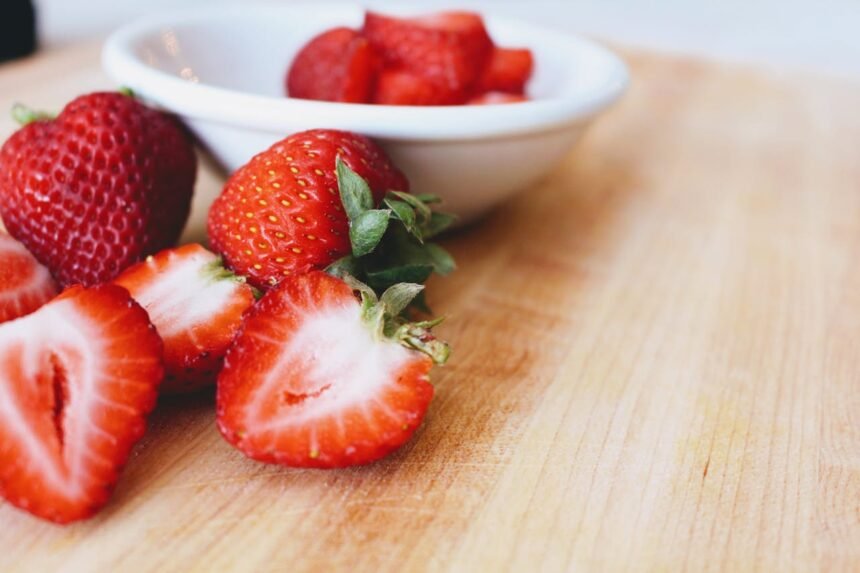
Strawberries are far more than just a low-calorie dessert option. They are complex packages of bioactive compounds that interact with our vascular system in beneficial ways. When discussing strawberries for blood pressure, we are primarily looking at three specific components: anthocyanins, potassium, and vitamin C.
The Power of Anthocyanins
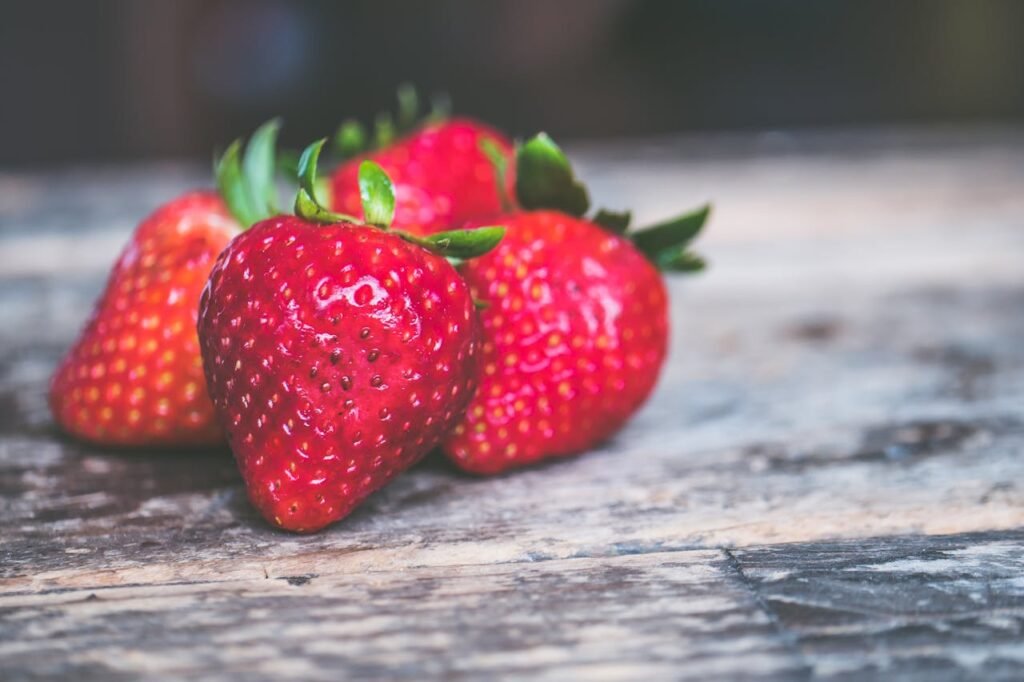
The deep red hue of a strawberry comes from a class of flavonoids known as anthocyanins. These are powerful antioxidants that serve as the fruit’s defence mechanism against environmental stressors. Interestingly, they may offer similar protection to humans.
Research suggests that anthocyanins can help open up arteries, a process known as vasodilation. When arteries are relaxed and open, blood flows more freely, reducing the pressure exerted against vessel walls. A landmark study involving participants from the University of East Anglia and Harvard University found that high intake of anthocyanins was associated with an 8% reduction in the risk of hypertension.
This might sound like a small number, but in the context of cardiovascular risk, a consistent 8% reduction is statistically significant. It highlights how adding colour to your plate can translate to measurable health outcomes.
Potassium: The Sodium Counterbalance
In the UK, our diets are often high in sodium (salt) and low in potassium. This imbalance is a primary driver of high blood pressure. Sodium causes the body to retain water, increasing blood volume and pressure. Potassium effectively does the opposite.
According to the British Heart Foundation, potassium helps the kidneys excrete more sodium through urine. It also helps ease tension in your blood vessel walls. Strawberries provide a respectable amount of potassium without the high calorie count of other fruits, making them an excellent choice for weight management—another key factor in blood pressure control.
Vitamin C and Oxidative Stress
We often associate Vitamin C with immune health, but it is also vital for the endothelium—the inner lining of your blood vessels. High blood pressure can damage this lining, leading to plaque build-up and atherosclerosis.
Strawberries are incredibly rich in Vitamin C, containing more by weight than oranges. Adequate Vitamin C intake combats oxidative stress, helping to keep the endothelial lining flexible and healthy. This structural integrity is vital for maintaining normal pressure levels over the long term.
Actionable Steps: How to Eat Strawberries for Heart Health
Knowing that strawberries are beneficial is only half the battle; incorporating them effectively is the next step. To truly reap the benefits of strawberries for blood pressure, consistency is key. Sporadic consumption is unlikely to yield the systemic changes required to lower hypertension.
1. Aim for the “Berry Sweet Spot”
How many do you need to eat? Most observational studies suggest that consuming berries at least three times a week provides the most benefit. A standard serving size is roughly 80g, which equates to about seven medium-sized strawberries.
This aligns with the NHS guidance on your 5 A Day, ensuring you are meeting general nutritional targets while targeting heart health. You do not need to eat a punnet a day to see benefits; moderation and consistency are far more effective.
2. Fresh vs. Frozen: Does it Matter?
One common misconception is that fresh is always best. However, frozen strawberries are often picked at peak ripeness and flash-frozen, preserving their anthocyanin and vitamin content. In the winter months, when fresh berries might be imported and expensive, frozen options are a fantastic, budget-friendly alternative.
Check the packaging to ensure there are no added sugars or syrups. The GOV.UK Eatwell Guide emphasises choosing natural fruit over processed varieties to avoid spiking blood glucose, which can be counterproductive for heart health.
3. Pairing for Absorption
To maximise nutrient absorption, consider what you eat with your fruit. Pairing strawberries with healthy fats or proteins can slow the release of fruit sugars. Excellent pairings include:
- Natural Yoghurt: The calcium and protein support overall metabolic health.
- Oats: The beta-glucan in oats also helps lower cholesterol, creating a dual-action breakfast for your heart.
- Nuts and Seeds: A sprinkling of chia seeds or almonds adds magnesium, another mineral essential for blood pressure regulation.
For more ideas on how to include these in your diet, you can explore recipes from BBC Good Food which often feature berry-rich breakfast options.
Nutritional Comparison Table
Understanding how strawberries compare to other popular fruits can help you prioritise your shopping list. While bananas are famous for potassium, strawberries offer a broader range of antioxidants with fewer calories.
| Nutrient Factor (per 100g) | Strawberries | Bananas | Blueberries | Impact on Blood Pressure |
|---|---|---|---|---|
| Calories | 32 kcal | 89 kcal | 57 kcal | Lower calorie intake supports weight loss, reducing heart strain. |
| Potassium | 153 mg | 358 mg | 77 mg | Helps excrete sodium; strawberries are moderate but effective. |
| Vitamin C | 58.8 mg | 8.7 mg | 9.7 mg | Protects blood vessel lining from oxidative damage. |
| Sugar (Natural) | 4.9 g | 12.2 g | 10 g | Lower sugar is better for preventing insulin resistance. |
| Anthocyanin Levels | High | Low | Very High | Direct link to improved arterial flexibility (vasodilation). |
Frequently Asked Questions
When making dietary changes to manage a condition, it is normal to have questions. Here are some of the most common queries regarding strawberries and hypertension.
Can I eat strawberry jam instead of fresh fruit?
Generally, no. Traditional jams are high in added sugar, which can contribute to weight gain and inflammation—two drivers of high blood pressure. The processing involved in making jam often destroys the heat-sensitive Vitamin C. If you enjoy jam, look for “reduced sugar” versions, but fresh or frozen fruit is always superior. Diabetes UK warns against the rapid sugar spikes caused by fruit preserves.
Are there any interactions with blood pressure medication?
Strawberries are generally safe to eat with most blood pressure medications, including beta-blockers and ACE inhibitors. However, because they contain potassium, people with advanced kidney disease who need to limit potassium intake should consult their GP. Always check the patient information leaflet for your specific medication or consult Blood Pressure UK for tailored advice.
Is it better to juice strawberries?
Juicing removes the fibrous pulp of the fruit. Fibre is crucial because it slows down the absorption of sugar and improves gut health, which is increasingly linked to cardiovascular wellbeing. A smoothie (where the whole fruit is blended) is better than juice, but eating the whole fruit is the gold standard.
Can supplements replace eating the fruit?
While strawberry extract supplements exist, they lack the synergy of the whole food. The combination of fibre, water, vitamins, and minerals in the actual fruit works together to provide health benefits. Furthermore, obtaining nutrients from whole foods is the primary recommendation from Healthline and other nutrition authorities, as supplements are not regulated as strictly as food products.
How quickly will I see results?
Dietary changes are a marathon, not a sprint. While some studies show improved vascular function within hours of eating anthocyanin-rich foods, lasting reduction in blood pressure usually requires weeks or months of consistent healthy eating, combined with salt reduction and exercise. Research published in PubMed often highlights that sustained dietary patterns yield the most significant clinical results.
The Bottom Line
Can eating strawberries help lower high blood pressure? The evidence points to a resounding yes, provided they are part of a balanced, low-salt diet. They are not a magic bullet that allows you to ignore other health advice, but they are a powerful tool in your dietary arsenal.
Their rich content of anthocyanins, Vitamin C, and potassium works to relax blood vessels, reduce oxidative stress, and balance sodium levels. Furthermore, they are low in sugar and calories, making them safe for most people to enjoy daily.
If you are looking to optimise your heart health, aim to add a serving of berries to your porridge, yoghurt, or snacks at least three times a week. Combined with advice from Heart UK regarding cholesterol and fat intake, this small change can contribute to a healthier, longer life.
Always remember to consult your GP before making drastic changes to your diet, especially if you are on medication. However, for the vast majority of people, reaching for a punnet of strawberries is one of the tastiest ways to protect your heart.
For a broader perspective on global health initiatives regarding diet and hypertension, you can review reports from The Lancet, which continually underscores the necessity of plant-based nutrition in combating chronic disease.