If you are on a journey to improve your health, you have likely heard the standard advice: eat more greens, drink more water, and move your body. However, one of the most powerful tools in your dietary arsenal might be sitting in the tropical fruit aisle. Guava for weight loss: how this tropical fruit can help is a topic gaining traction among nutritionists and wellness enthusiasts alike, and for good reason.
Native to Central America but widely cultivated in tropical regions globally, the guava is a nutritional powerhouse. It is not just about the exotic flavour; it is about how this fruit interacts with your biology to promote a leaner, healthier physique. In this guide, we will explore the science-backed benefits of guava and how you can utilise it to reach your goals.
The Nutritional Profile of Guava
Before diving into the specific weight loss mechanisms, it is essential to understand what makes guava so special. Unlike many other tropical fruits that are high in sugar, guava offers a dense concentration of nutrients with relatively few calories. This makes it one of the premier healthy snacking options for those monitoring their intake.
A single guava contains significantly more vitamin C than an orange and is packed with antioxidants, potassium, and magnesium. According to the NHS, a balanced diet rich in fruit and vegetables is fundamental to maintaining a healthy weight and reducing the risk of chronic diseases.
Fibre: The Secret to Satiety
One of the primary reasons guava is lauded for weight management is its incredible fibre content. A single serving can provide about 12% of your recommended daily dietary fibre intake. Fibre is crucial because it slows down digestion, ensuring you feel fuller for longer.
When you consume high-fibre foods, you are less likely to reach for processed snacks between meals. This increase in satiety levels is a cornerstone of sustainable weight loss, as it prevents the “starvation mode” that often leads to overeating later in the day.
How Guava Helps Regulate Blood Sugar
Weight gain is often closely linked to insulin spikes and blood sugar crashes. Guava has a low glycaemic index (GI), meaning it releases sugar into the bloodstream slowly and steadily. This prevents the rapid rise in insulin that signals the body to store fat.
Research published in the Harvard Health Publishing archives suggests that low-GI diets are effective for long-term weight maintenance and blood sugar control. By choosing guava over high-sugar tropical fruits like mango or pineapple, you are helping your body maintain a steady energy level, which significantly reduces sugar cravings.
Boosting Your Metabolic Rate
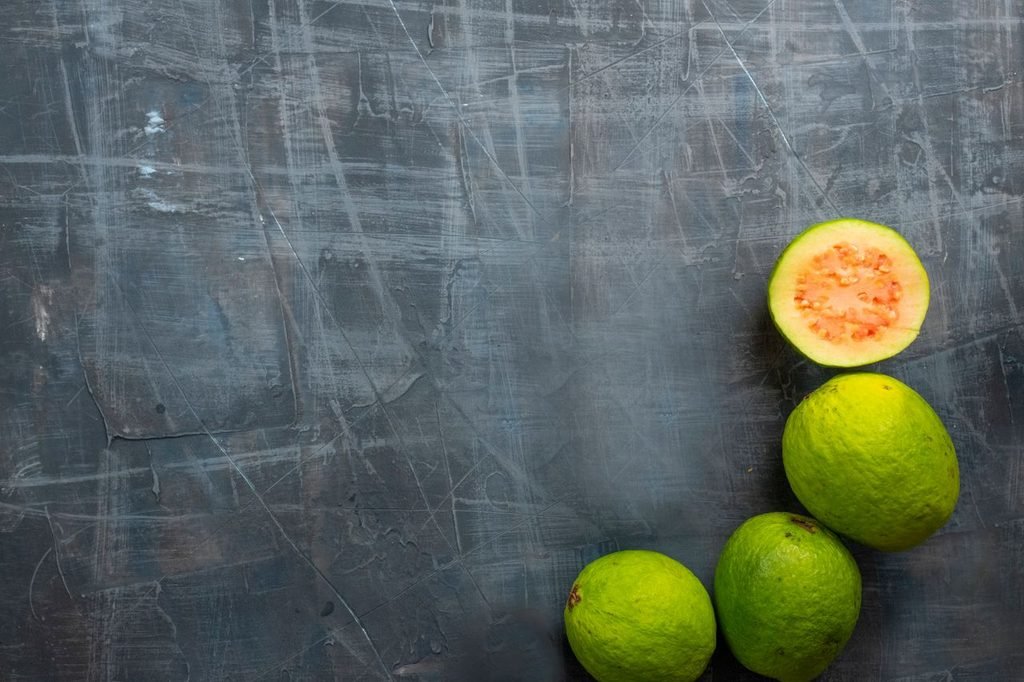
Can a fruit actually speed up your metabolism? Indirectly, yes. The high vitamin C content in guava plays a vital role in fat metabolism. Vitamin C is a precursor to carnitine, a molecule that helps the body transport fat to be burned as energy.
Furthermore, the antioxidants found in guava—such as lycopene and quercetin—help combat oxidative stress. Oxidative stress can lead to inflammation, which is known to slow down your metabolic rate and make weight loss more difficult. By reducing internal inflammation, guava helps your body function more efficiently.
Guava vs. Other Common Fruits
To see how guava stacks up against other popular weight-loss fruits, take a look at the table below:
| Fruit (100g) | Calories | Fibre (g) | Vitamin C (mg) |
|---|---|---|---|
| Guava | 68 | 5.4 | 228 |
| Apple | 52 | 2.4 | 4.6 |
| Banana | 89 | 2.6 | 8.7 |
| Orange | 47 | 2.4 | 53.2 |
As you can see, guava leads the pack in fibre and vitamin C, making it a superior choice for those looking to maximise nutrient density while managing their weight.
The Digestive Benefits
A healthy gut is a prerequisite for weight loss. Poor digestion can lead to bloating and an inefficient absorption of nutrients. Guava is an excellent source of dietary fibre, which aids in regular bowel movements and prevents constipation. The Mayo Clinic highlights that a high-fibre diet can also help lower cholesterol levels and improve heart health.
Additionally, guava seeds, if eaten, act as potent laxatives, helping to clear the digestive tract. A clean digestive system ensures that your body can focus on burning fat rather than dealing with waste buildup.
How to Incorporate Guava into Your Routine
Knowing the benefits of guava for weight loss: how this tropical fruit can help is one thing, but implementing it is another. Here are some simple, delicious ways to add guava to your daily diet:
- Eat it Raw: The simplest way to enjoy guava is to wash it and eat it whole (including the skin and seeds). The skin contains a high concentration of vitamin C.
- Morning Smoothies: Blend pink guava with spinach, ginger, and a splash of coconut water for a metabolism-boosting start to your day.
- Salad Topping: Dice guava and toss it into a green salad with feta cheese and walnuts for a sweet and savoury crunch.
- Guava Tea: Guava leaves are also beneficial. Steeping guava leaves in hot water can create a tea that is traditionally used to help lower blood sugar levels after meals.
For more creative fruit ideas, you can explore the British Nutrition Foundation for seasonal suggestions and recipe inspiration.
Precautions and Considerations
While guava is incredibly healthy, balance is key. Because it contains natural fructose, it should be consumed as part of a varied diet. Additionally, some people may find the seeds difficult to digest if they have certain gastrointestinal conditions like diverticulitis.
If you are taking medication for blood pressure or diabetes, consult with your GP before significantly increasing your guava intake, as the fruit can naturally lower blood sugar and blood pressure levels. You can find more information on managing these conditions at Diabetes UK.
The Bottom Line
In the quest for weight loss, there is no “magic pill,” but guava comes remarkably close to being a magic fruit. By improving satiety levels, providing a massive boost of vitamin C, and offering a low glycaemic index, guava supports your body’s natural ability to shed excess weight. It is an affordable, delicious, and nutrient-dense addition to any healthy lifestyle.
Frequently Asked Questions (FAQs)
Can I eat guava at night for weight loss?
Yes, eating guava at night is generally fine. Because of its high fibre content and low calorie count, it makes for a much better late-night snack than processed foods. However, try to eat it at least two hours before bed to allow your body time to digest it comfortably.
Is guava better than an apple for losing weight?
Both are excellent, but guava has the edge in terms of fibre and vitamin C content. If your goal is to stay full for longer and boost your metabolic health, guava provides more “bang for your buck” per 100 grams.
Should I eat the seeds and skin of the guava?
Absolutely. The skin of the guava contains more vitamin C than the flesh, and the seeds provide a significant amount of the fruit’s total fibre. Unless you have a specific digestive condition that prevents you from eating seeds, consuming the whole fruit is the best way to reap the benefits.
How many guavas can I eat in a day?
For most people, one or two medium-sized guavas per day is an ideal amount. This ensures you get a boost of nutrients without over-consuming natural sugars, fitting perfectly within a calorie-controlled diet.